Guides.
What the labels mean, how to choose, and how to keep fresh food at its best. Every figure comes with its source.
- KitchenWasting less food at homeHouseholds produce most of the world's food waste. Planning, storing older food first and using leftovers are the habits FAO and UNEP point to.
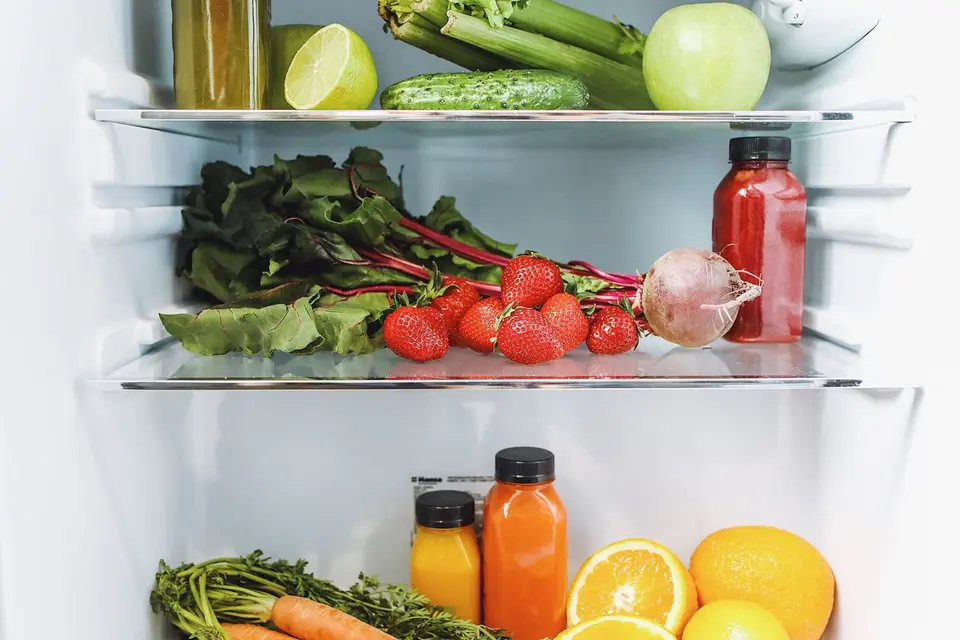
- KitchenOrganising the fridge for food safetyKeep the fridge below 5 degrees C, put raw food on the bottom shelf in containers, and leave room for air to move. Advice from WHO and a US extension service.
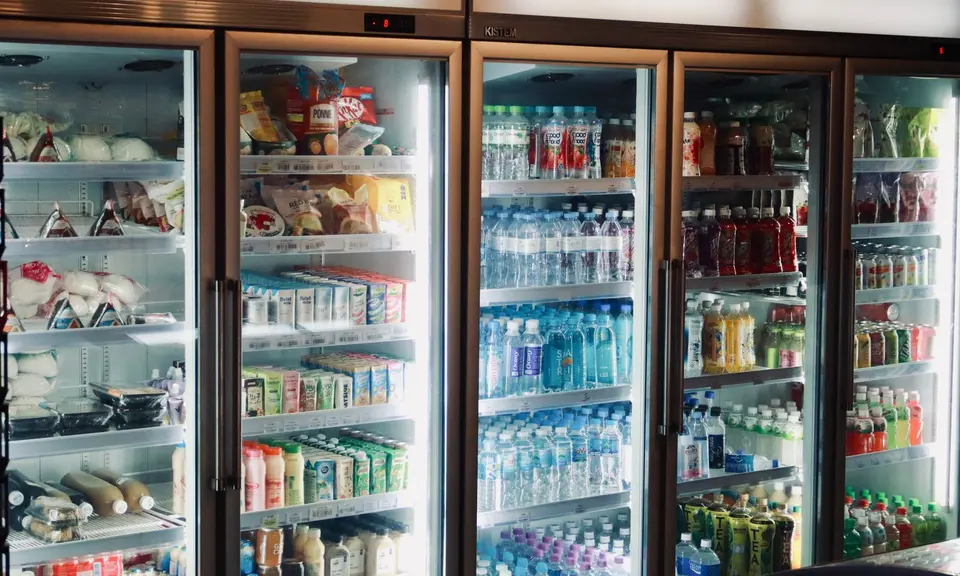
- KitchenWhat best before and expiry dates mean on Thai labelsThai rules separate "ควรบริโภคก่อน" and "หมดอายุ", set how a date is shown, and tie it to storage. A date is the maker's estimate, not a test of one pack.
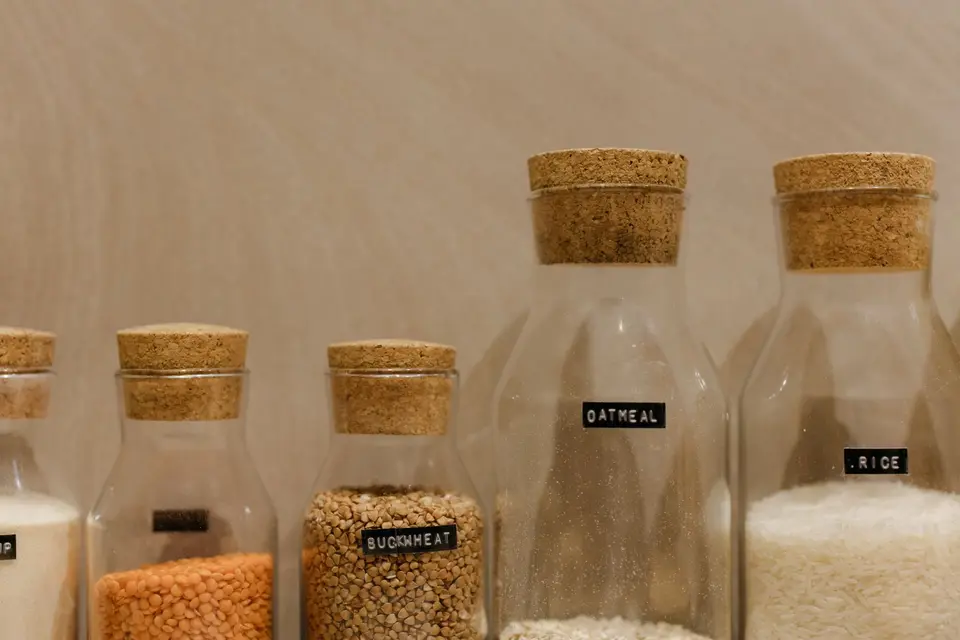
- KitchenPlanning a week of fresh ingredientsA calm way to plan a week of fresh food. Check what is at home, use soft produce early, rely on staples that keep, and leave room for leftovers.
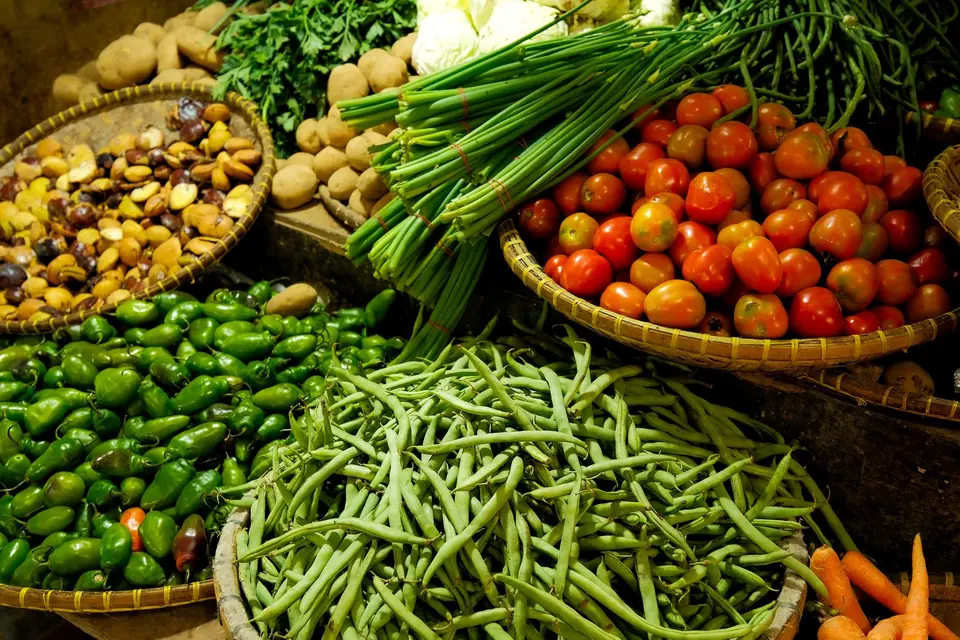
- DrinksReading sugar on a drink labelHow to find the sugar figure on a Thai drink label, why per serving and per pack differ, and how the WHO guideline on free sugars compares.
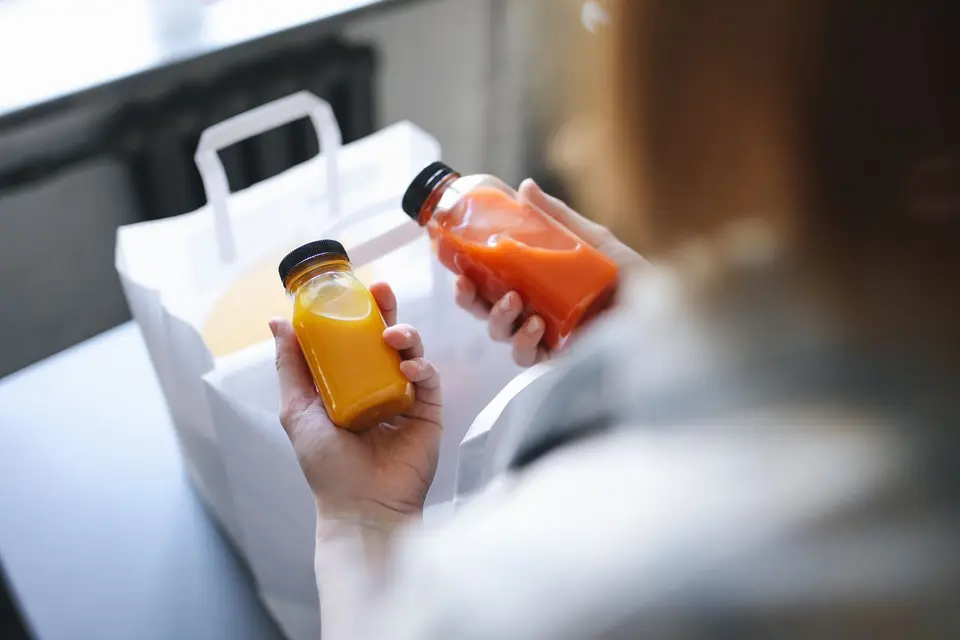
- DrinksWhat organic certification covers in tea and coffeeOrganic rules cover how tea and coffee are grown, handled, processed and recorded. They do not grade flavour or quality in the cup.
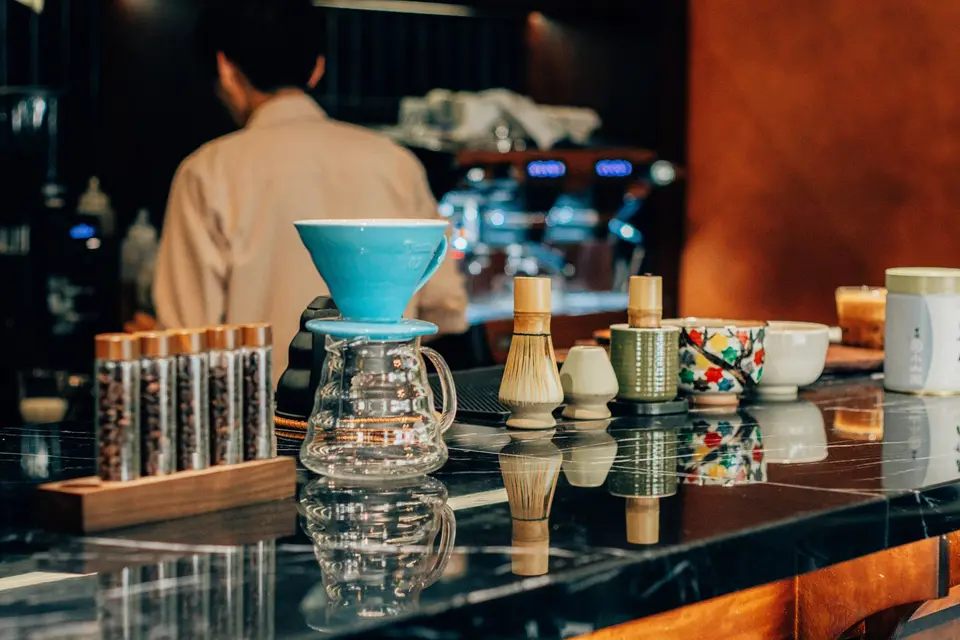
- DrinksWhat cold-pressed, pasteurised and HPP juice meanCold-pressed describes how juice is squeezed. Pasteurisation and HPP describe how it is treated afterwards. Thai labels name juice by fruit content.
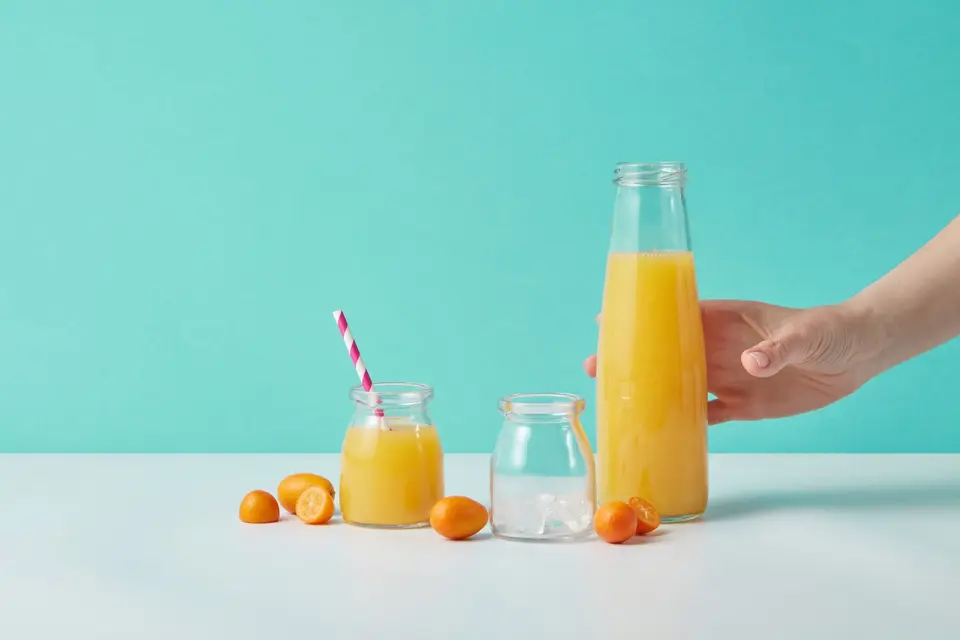
- Milk and dairyWhat makes milk organicOrganic milk comes from animals raised under a written standard covering feed, grazing, conversion and veterinary drugs. Thai, US and EU rules compared.
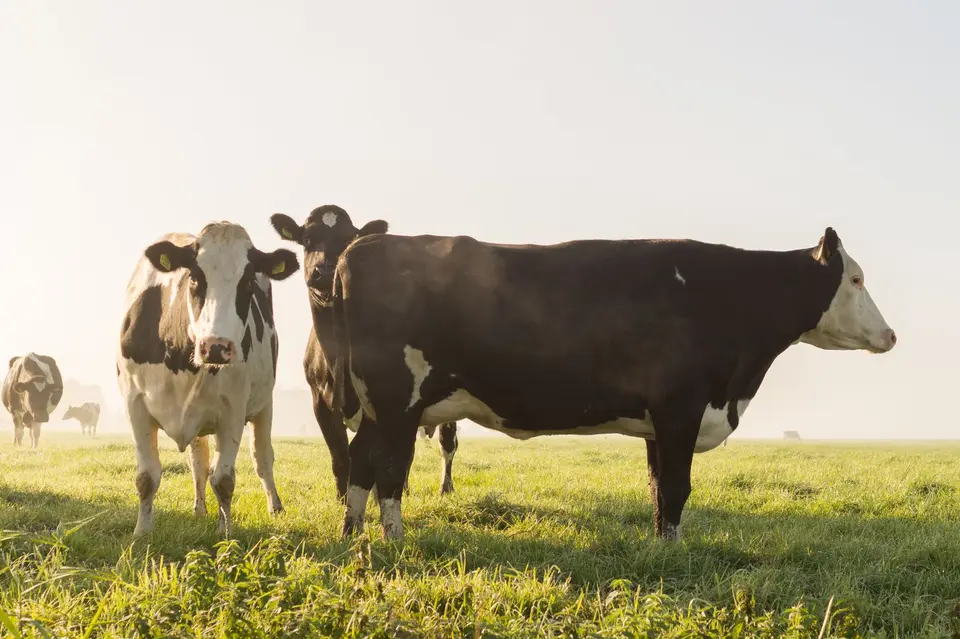
- Milk and dairyStoring milk and yogurt in the fridgeThai rules keep chilled milk and yogurt at 8 degrees Celsius or lower. Here is what that means for the fridge, the door shelf, the date and an opened pack.
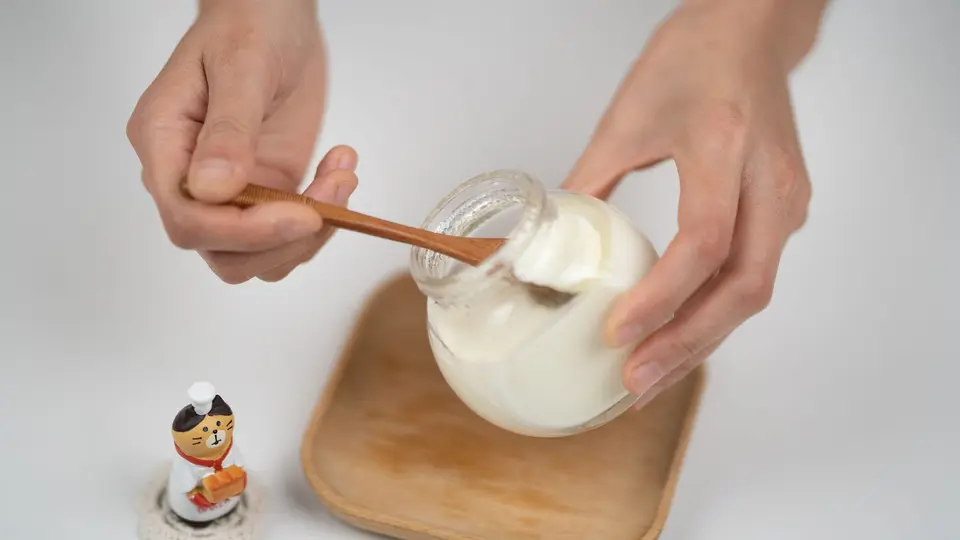
- Milk and dairyPasteurised, UHT and sterilised milk comparedThree heat treatments, three storage rules. Thai Ministry of Public Health rules define each one and set how cold or how long each kind of milk may be kept.
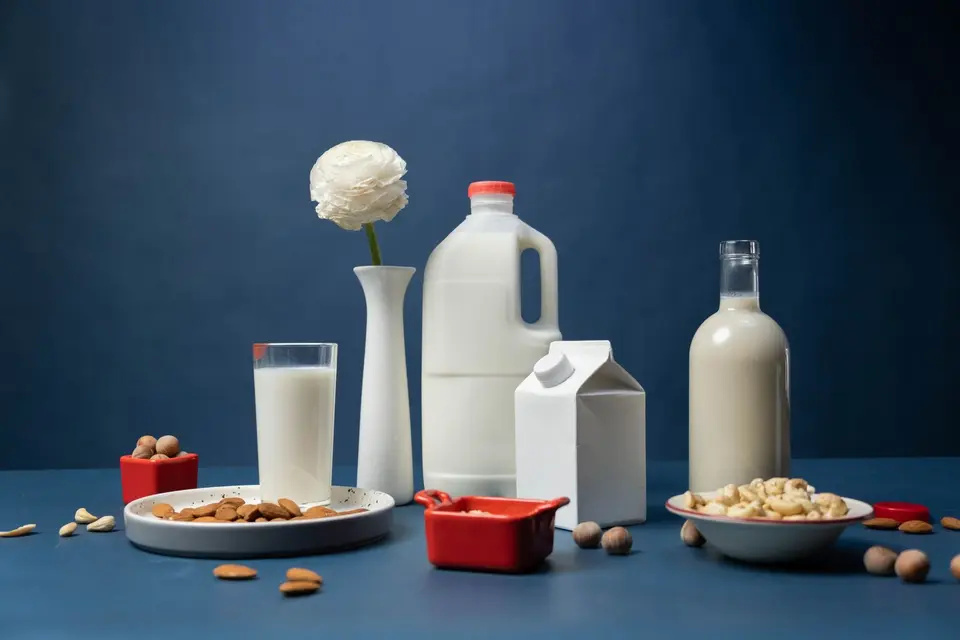
- Rice and grainsThai rice varieties and what defines each oneHom Mali, Riceberry, Sangyod and glutinous rice are named in different ways: by a standard, by a variety, by a place, or by the starch in the grain.
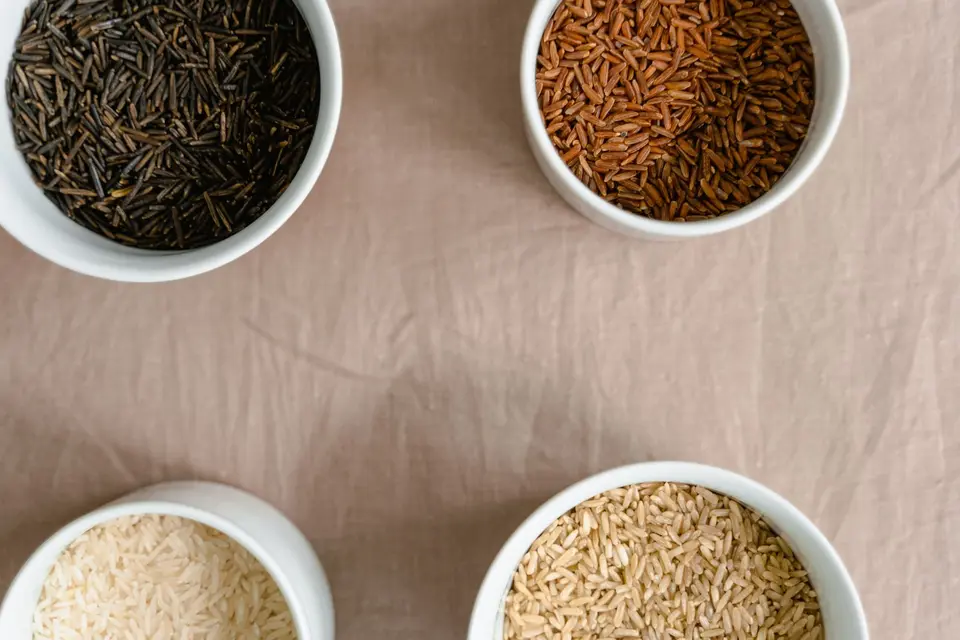
- Rice and grainsHow to store rice, and why brown rice keeps for less timeKeep rice dry, cool and sealed, away from insects. Brown rice keeps for less time than white rice because the oil in its bran can turn rancid.
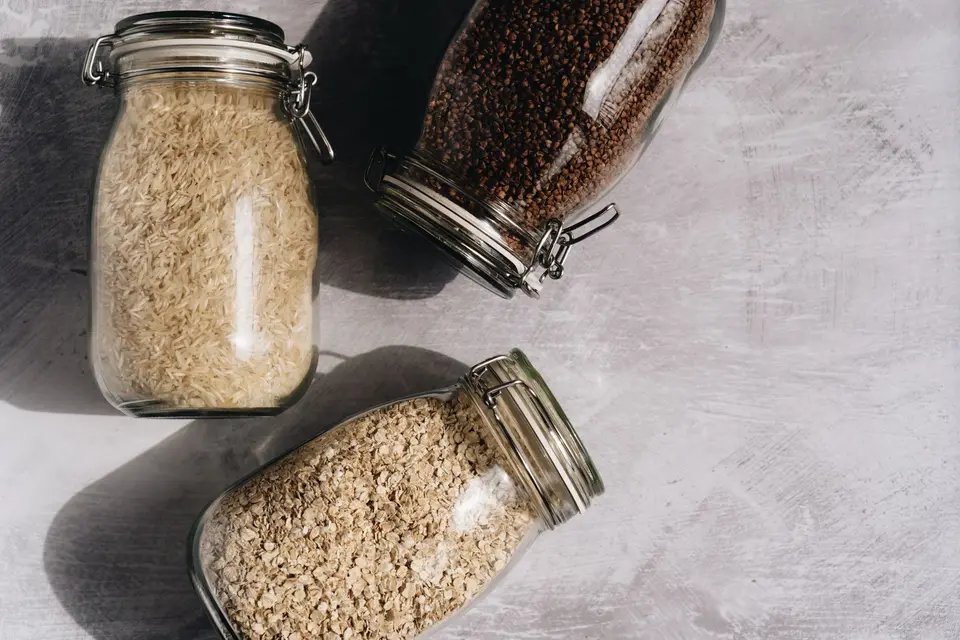
- Rice and grainsOne season of organic rice, from land to millHow organic rice is grown in general, from soil preparation and green manure to weeds, harvest, drying and keeping organic rice apart, following Thai standards.
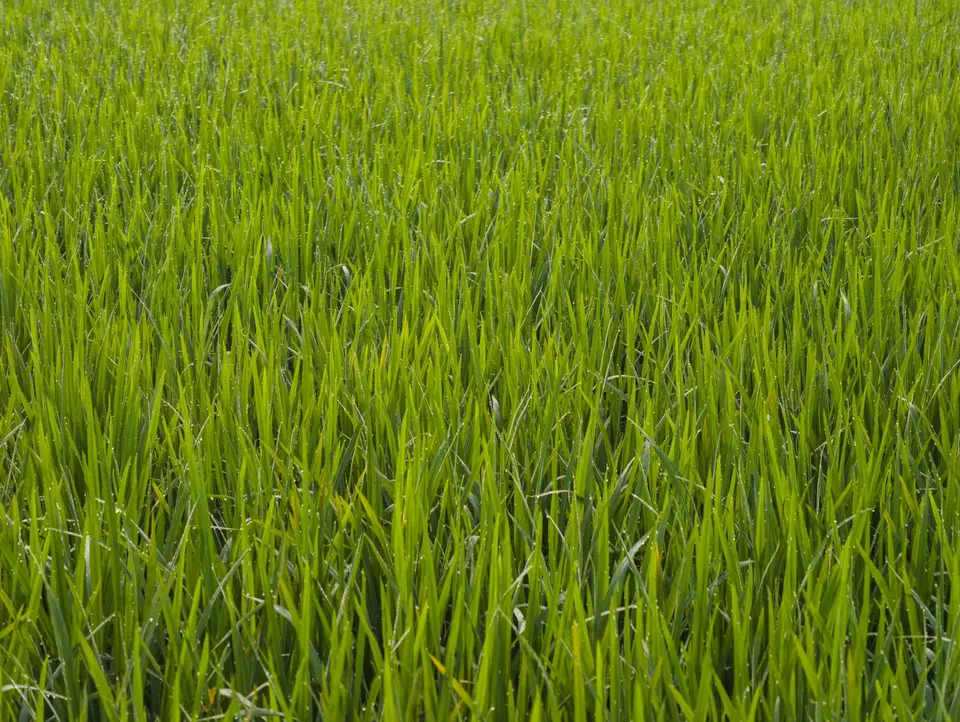
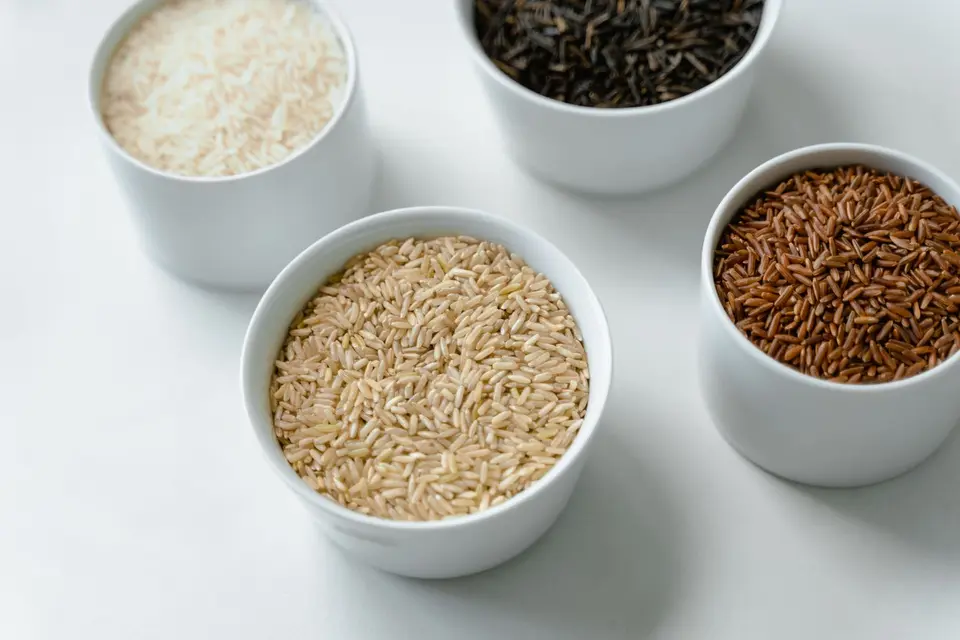
- Rice and grainsBrown, white and germinated rice and what milling changesBrown and white rice are the same grain at different stages of milling. Germinated brown rice is brown rice that has been soaked until a tiny root appears.
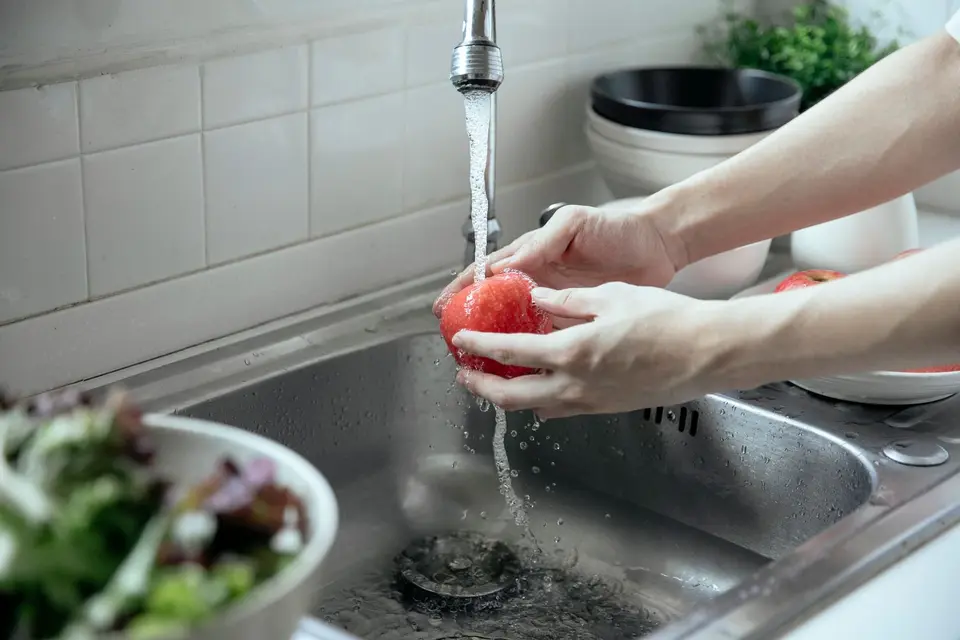
- FruitWashing and peeling fruitWhy fruit is washed even when it will be peeled, what the waxy layer on fruit is, and what Thai FDA and the Department of Medical Sciences say.
- FruitThai fruit through the yearMain harvest months for common Thai fruits from Department of Agricultural Extension sources, and why the same fruit can appear in different months.
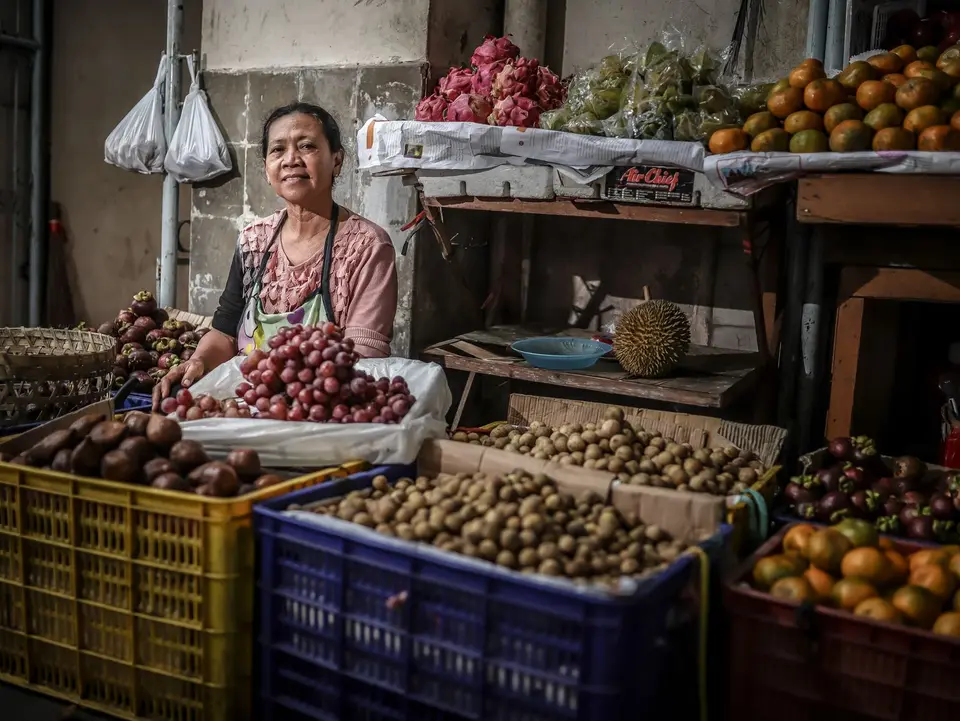
- FruitStoring fruit at homeWhat goes in the fridge, what stays on the counter, why tropical fruit can be damaged by cold, and why ripening fruit should be kept apart from other produce.
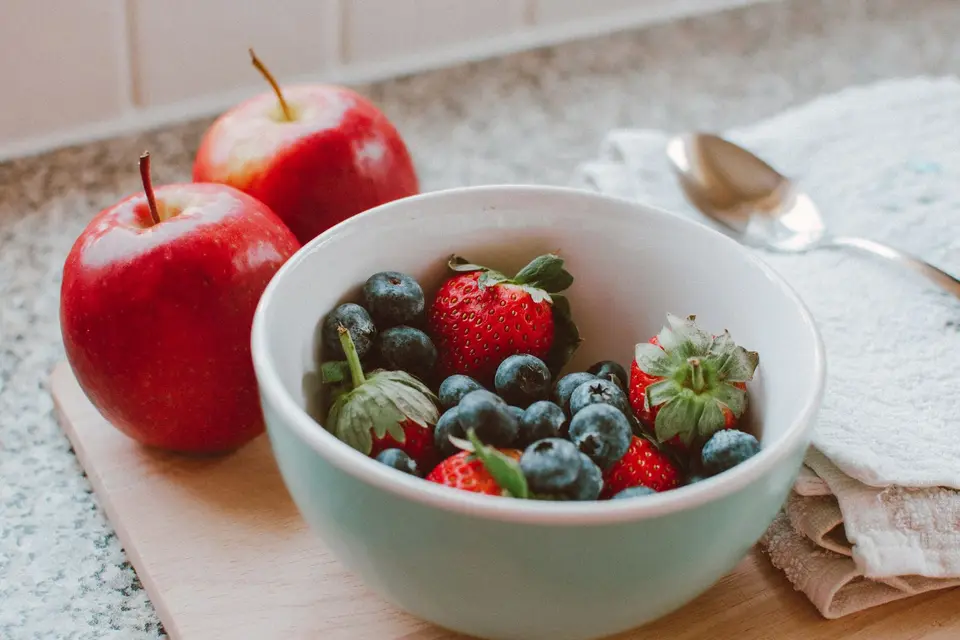
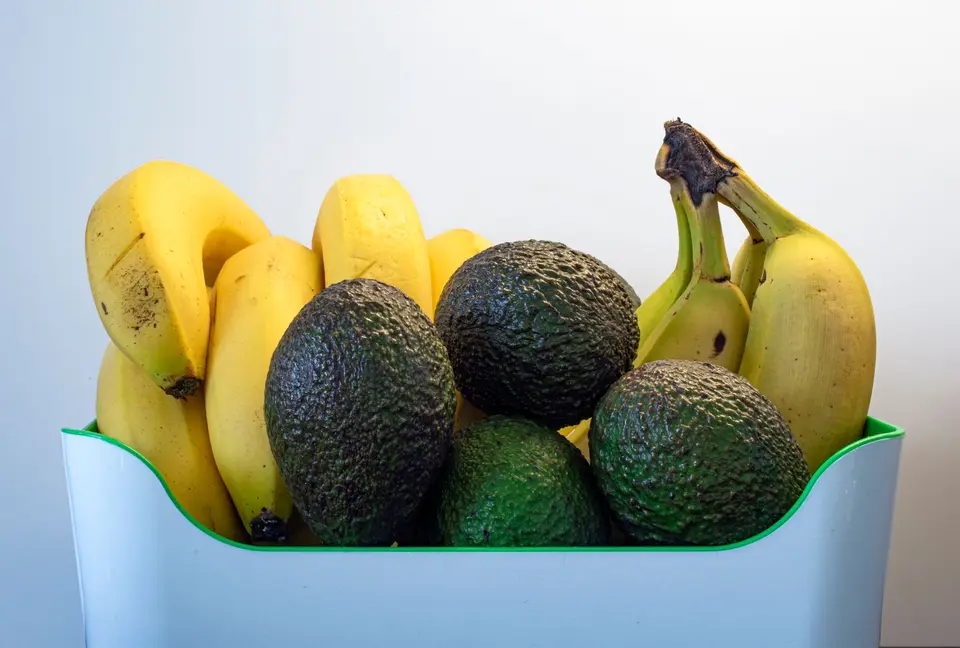
- FruitRipening fruit at homeSome fruits keep ripening after harvest and some do not. How ethylene works and how the paper bag method uses it.
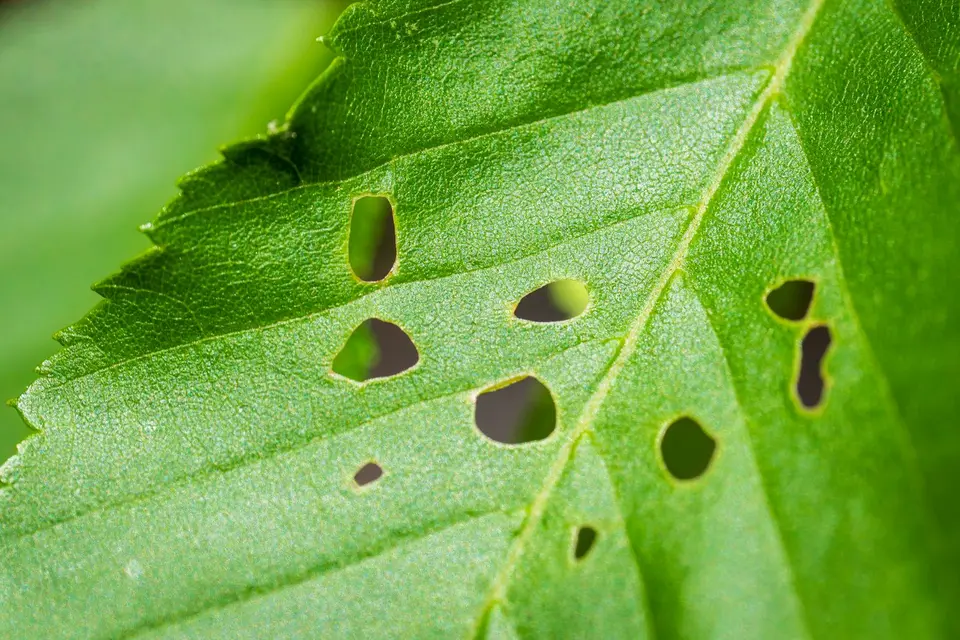
- VegetablesWhy organic vegetables can look less uniformInsect marks and uneven sizes come from how crops are grown and graded. A look at the Thai organic standard and how produce is sorted by appearance.
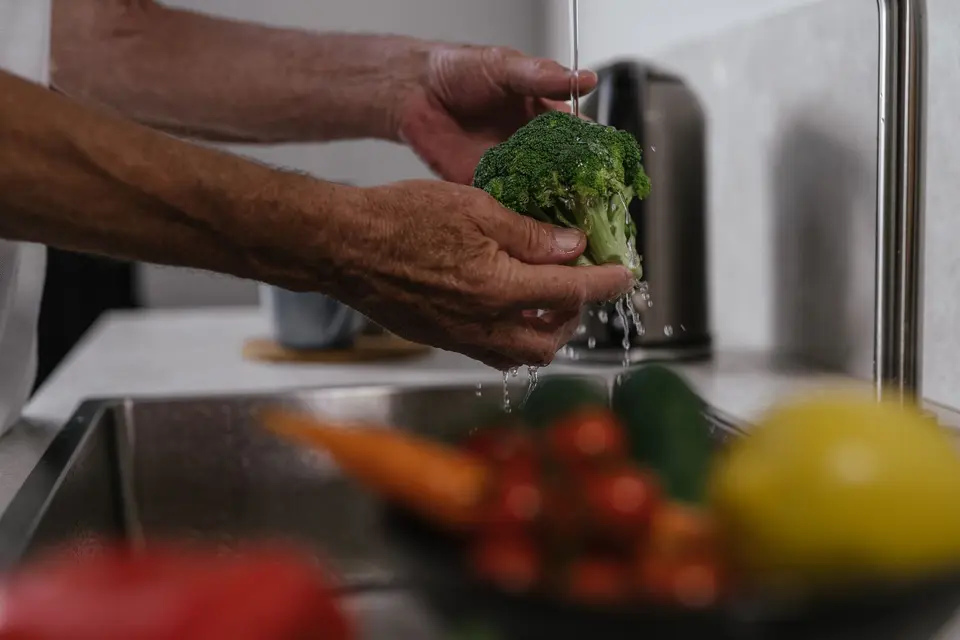
- VegetablesWashing vegetables at homeWhat Thai FDA and the Department of Medical Sciences say about washing vegetables, and what washing can and cannot remove.
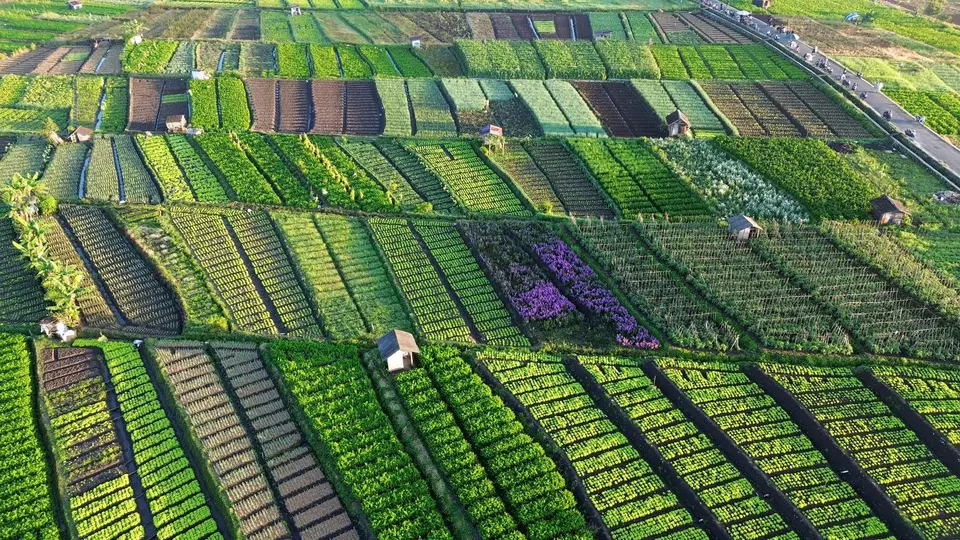
- VegetablesVegetables through the Thai yearThailand has three seasons, and many vegetables grow most easily in the cool months. Why tender greens are harder to grow in the rains.
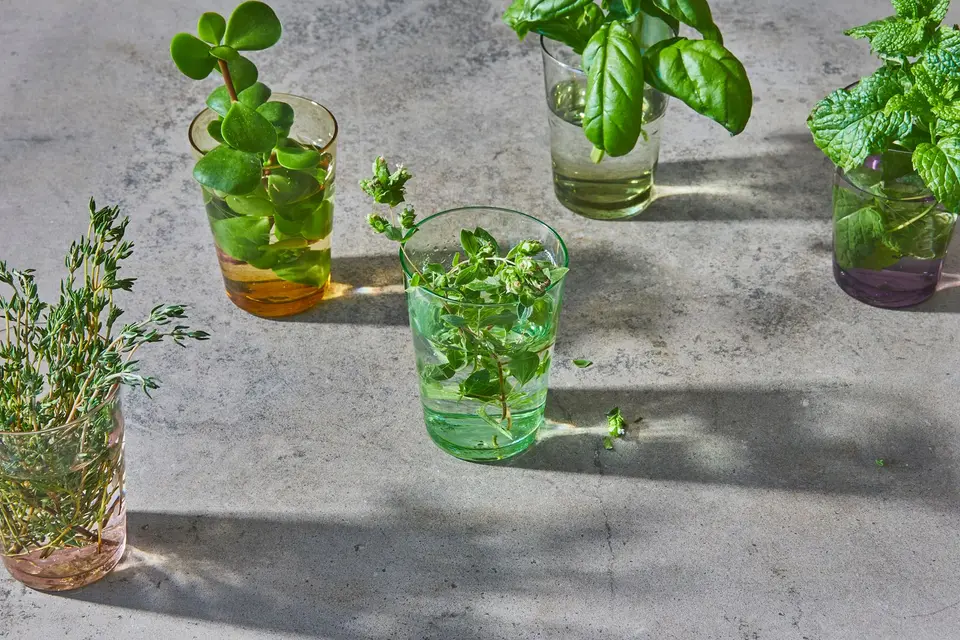
- VegetablesStoring leafy greens and herbsLeafy greens keep best cold, humid and unwashed. Which vegetables and herbs are hurt by the fridge, and what temperatures the sources give.
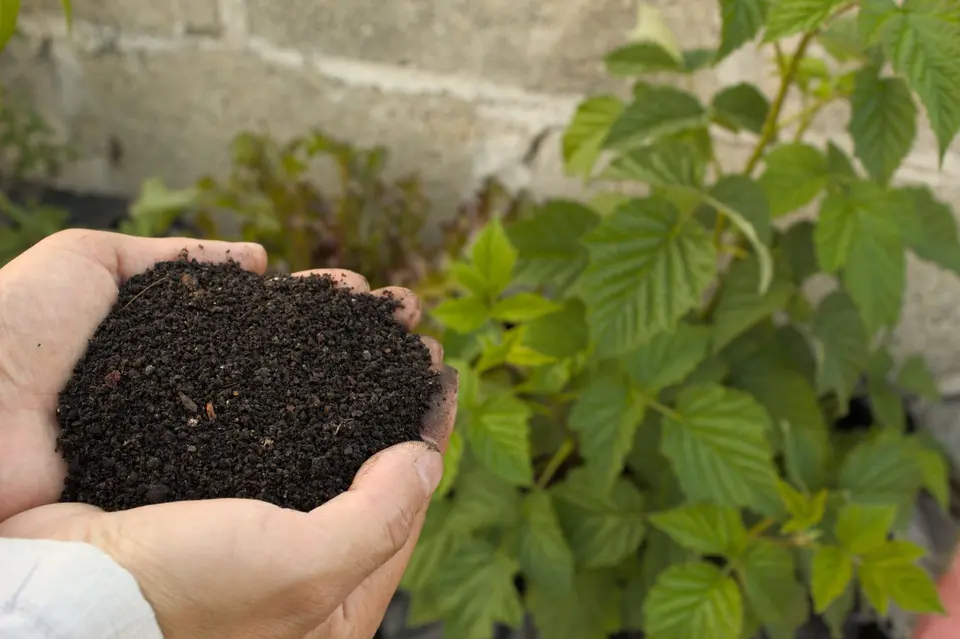
- VegetablesHow organic farms look after the soilOrganic farming starts with soil. What compost, green manure and crop rotation do, and what the Thai organic standard TAS 9000 says about each.
- EggsWhat laying hens eat on an organic farmIn general, organic hens eat feed grown to organic rules. Antibiotics and growth promoters may not be added to feed to speed growth or raise output.
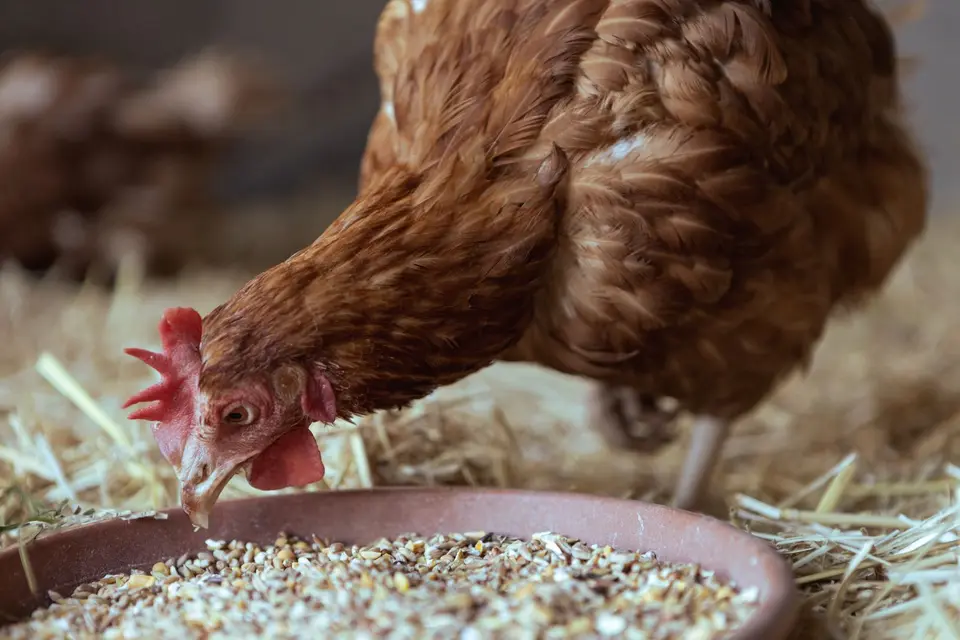
- EggsHow to store eggs in a hot climateThai guidance is to move eggs into the fridge after about a week. Other countries differ because eggs are handled differently before they reach the kitchen.
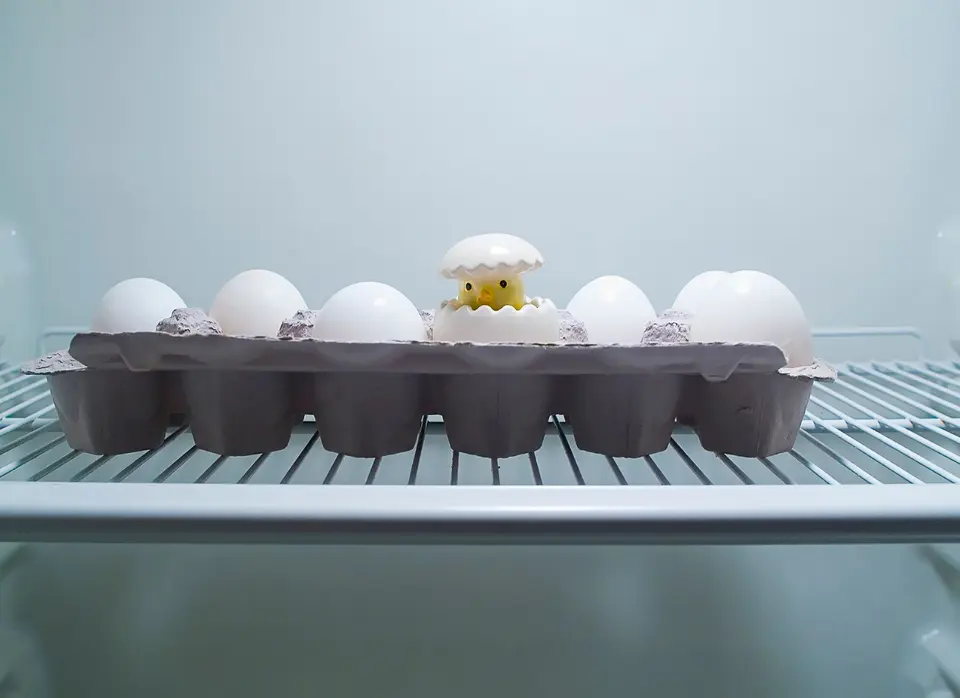
- EggsWhat shell colour and yolk colour tell youBreed sets the shell colour and feed pigments set the yolk colour. Neither colour is part of any definition of how hens are housed.
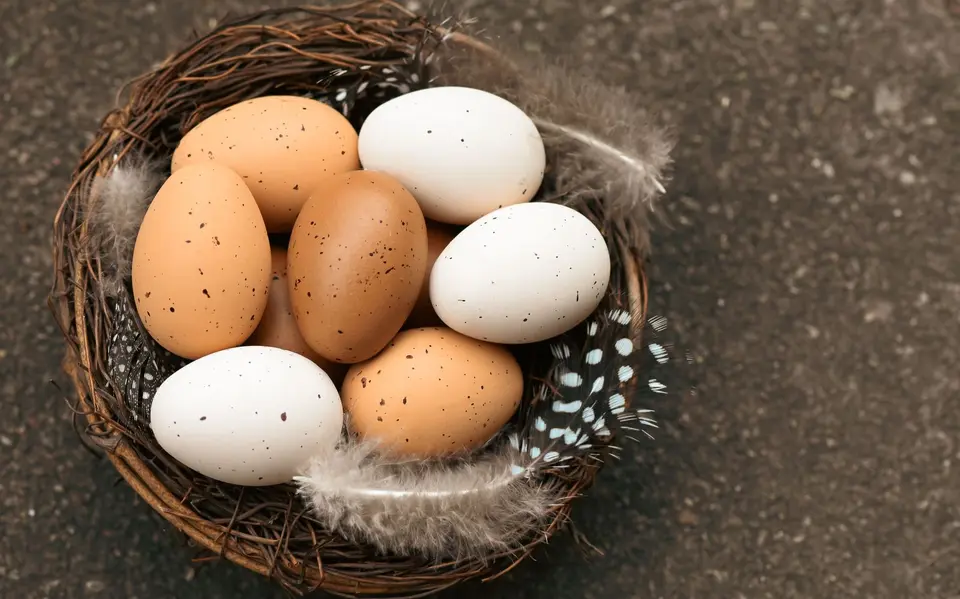
- EggsHow to read an egg carton in ThailandEgg sizes run from number 0 to 5 by weight, and grades are AA, A and B. Here is what each line on a Thai carton means, and what a mark does and does not say.
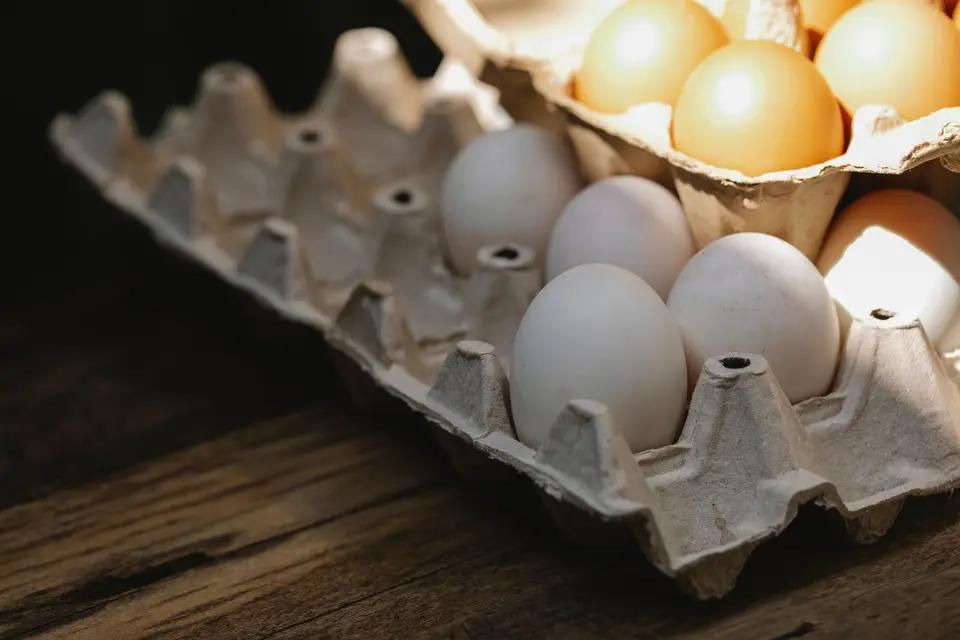
- EggsHow to tell whether an egg is freshA fresh egg has a small air cell, a firm white and a round yolk. The float test shows age, not spoilage. Here is how each check works and its limits.
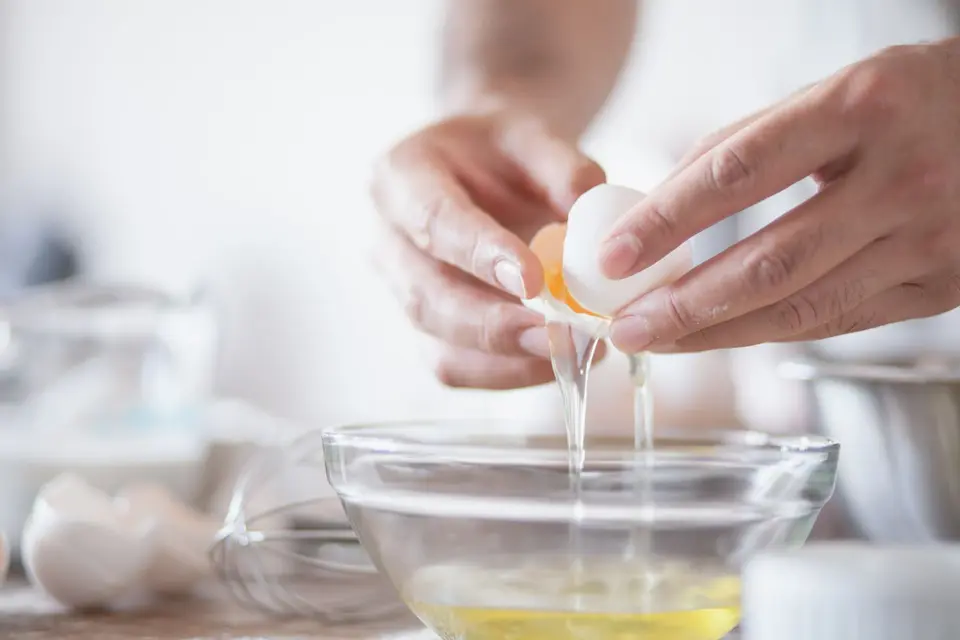
- EggsCage, cage-free, free range and organic eggs definedThese four words describe how hens are housed. Only some have a formal Thai definition. The EU codes 0 to 3 show what a full set of definitions looks like.
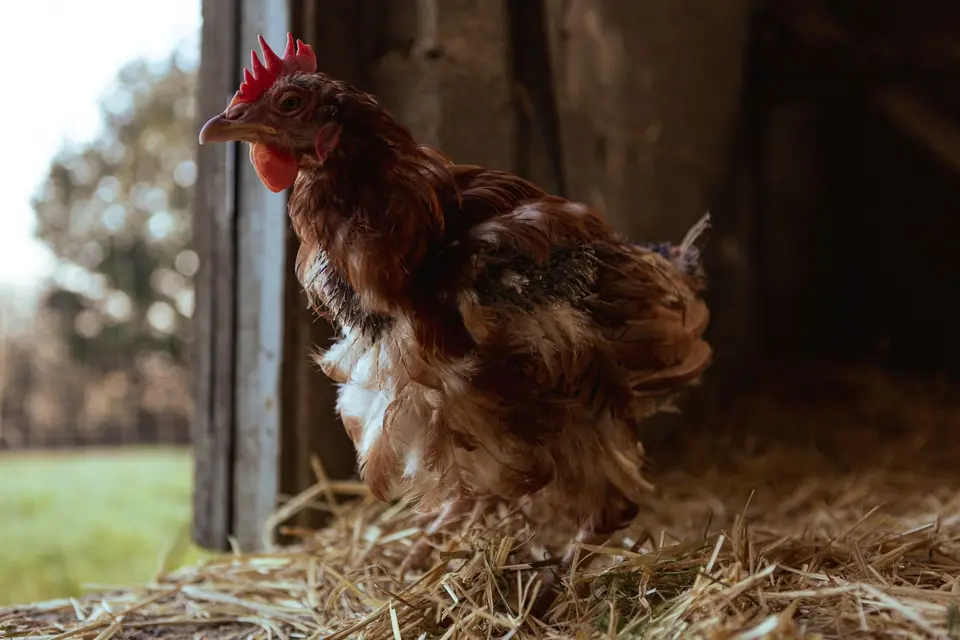
- Organic basicsWhy organic food usually costs moreOrganic usually costs more to produce. Yields are often lower, work is heavier, land spends time in conversion, and certification and records add steps.
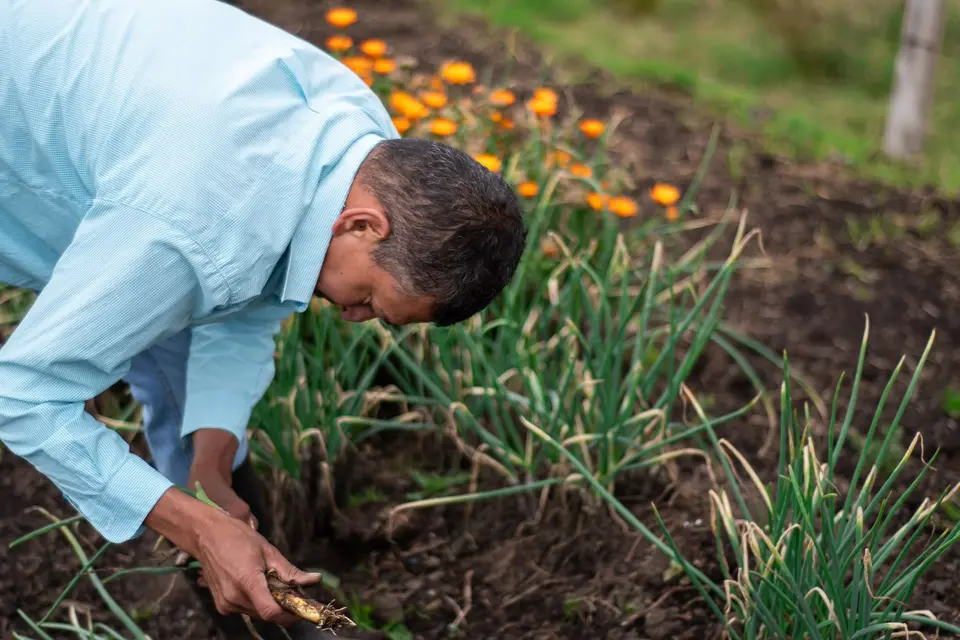
- Organic basicsWhat organic actually meansOrganic is a farming system defined by a written standard and checked by inspection. It is not a general feeling of "natural".
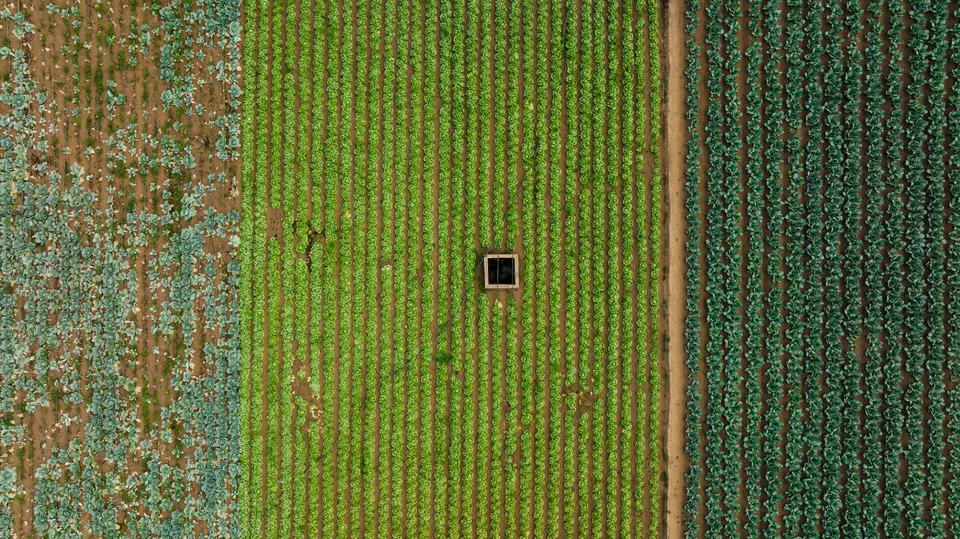
- Organic basicsHow to read an organic labelUnder the Thai standard, organic needs at least 95 percent organic ingredients and made with organic at least 70. A certifier's name or code should appear too.
- Organic basicsOrganic, natural, chemical-free and GAP are different thingsWords that sound alike describe different systems. Organic and GAP follow Thai standards. "Natural" and "chemical-free" are not defined by the organic standard.
- Organic basicsOrganic marks you may see in ThailandOrganic Thailand, Q Organic, PGS, IFOAM, USDA and the EU leaf are different kinds of marks. Each one shows who stands behind the claim and which rules apply.
- Organic basicsHow a farm becomes organicLand moves from conventional to organic through a conversion period, records and inspection. Thai minimums are 12 months for short-lived crops and 18 for trees.