Organic basics.
What the labels mean, how to choose, and how to keep fresh food at its best. Every figure comes with its source.
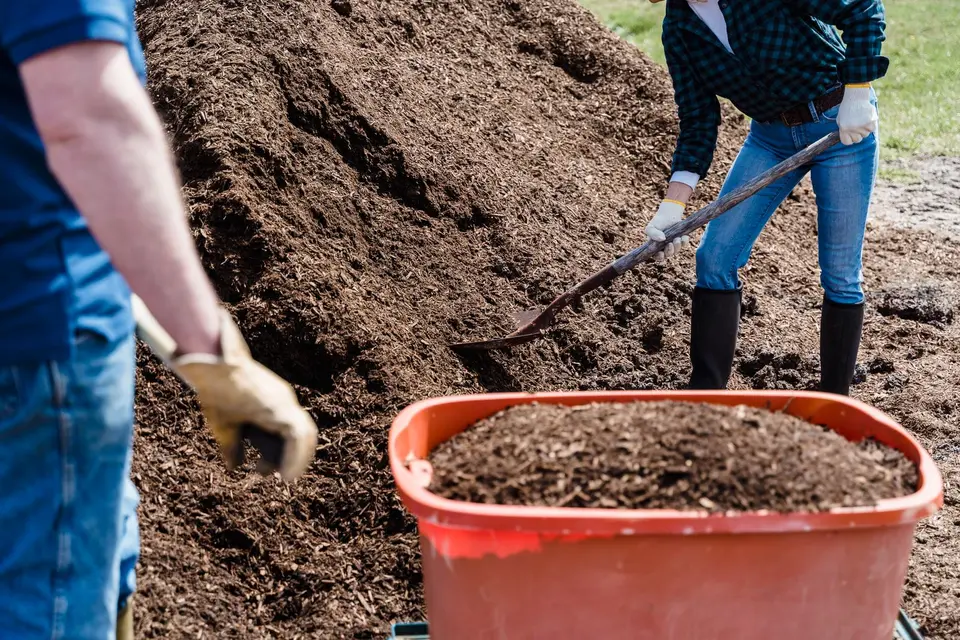
- Organic basicsWhy organic food usually costs moreOrganic usually costs more to produce. Yields are often lower, work is heavier, land spends time in conversion, and certification and records add steps.
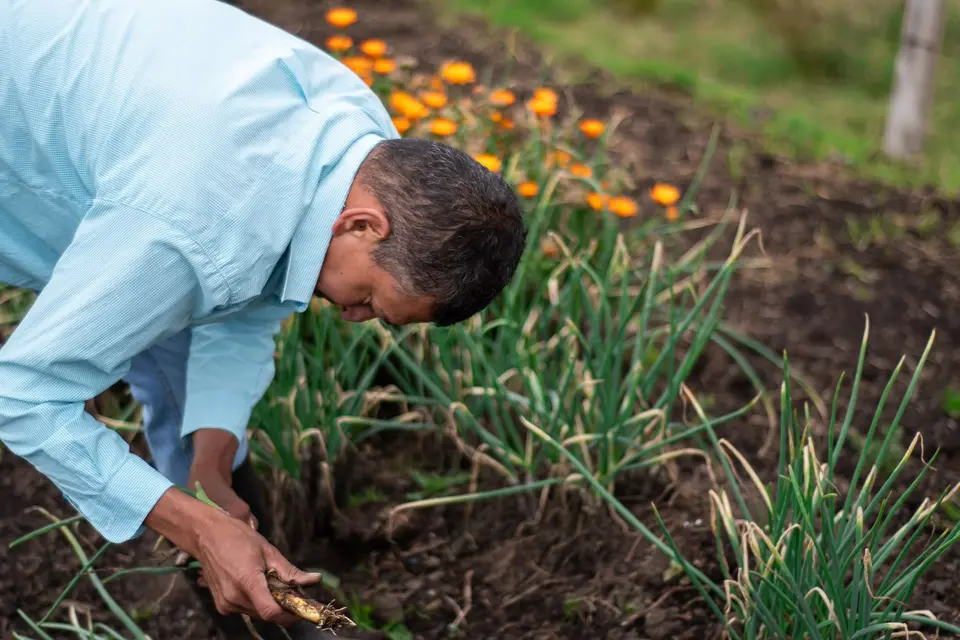
- Organic basicsWhat organic actually meansOrganic is a farming system defined by a written standard and checked by inspection. It is not a general feeling of "natural".
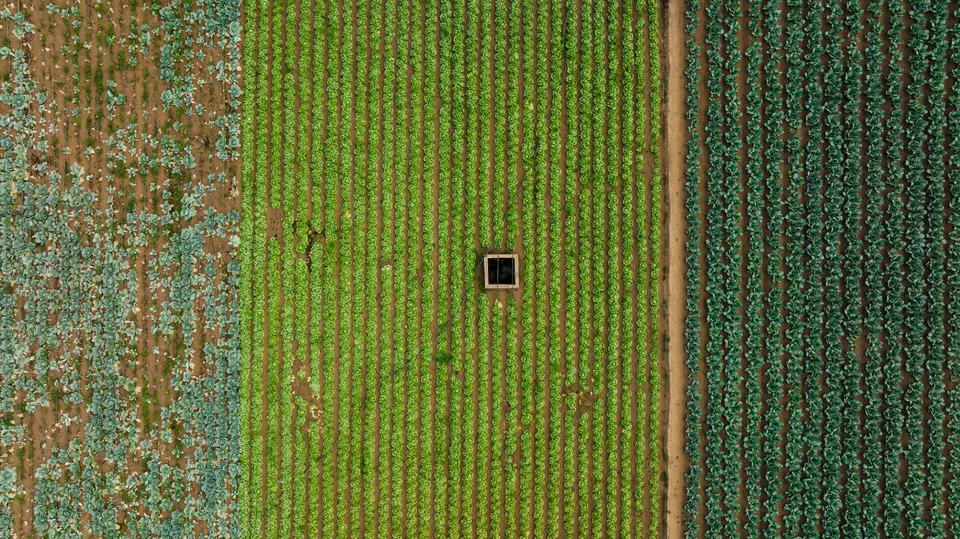
- Organic basicsHow to read an organic labelUnder the Thai standard, organic needs at least 95 percent organic ingredients and made with organic at least 70. A certifier's name or code should appear too.
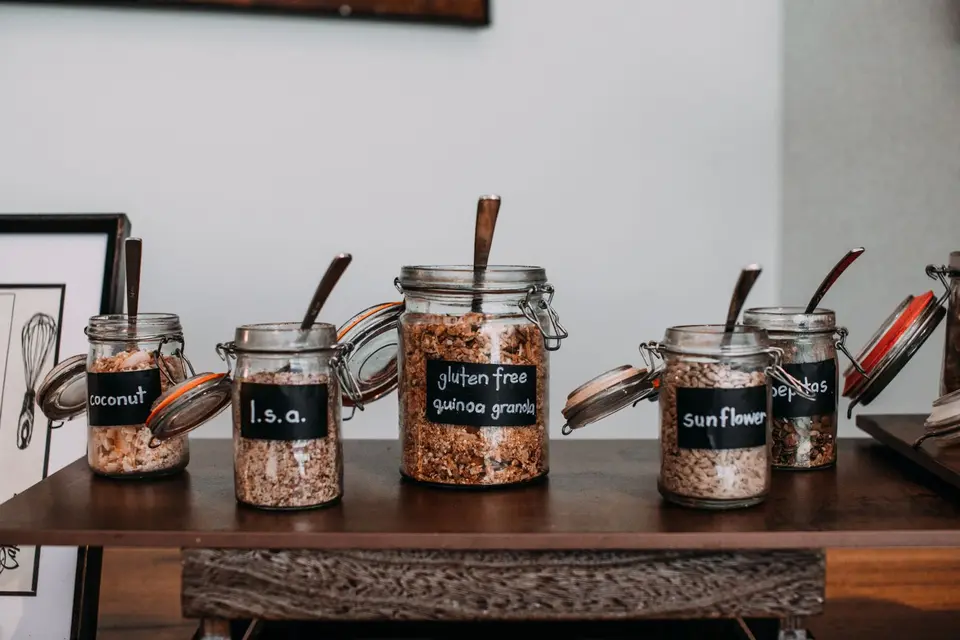
- Organic basicsOrganic, natural, chemical-free and GAP are different thingsWords that sound alike describe different systems. Organic and GAP follow Thai standards. "Natural" and "chemical-free" are not defined by the organic standard.
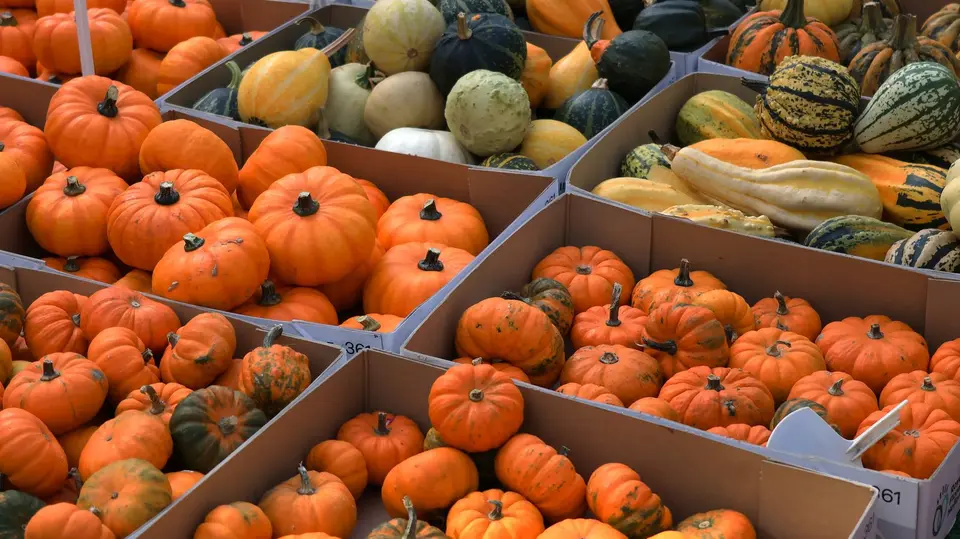
- Organic basicsOrganic marks you may see in ThailandOrganic Thailand, Q Organic, PGS, IFOAM, USDA and the EU leaf are different kinds of marks. Each one shows who stands behind the claim and which rules apply.
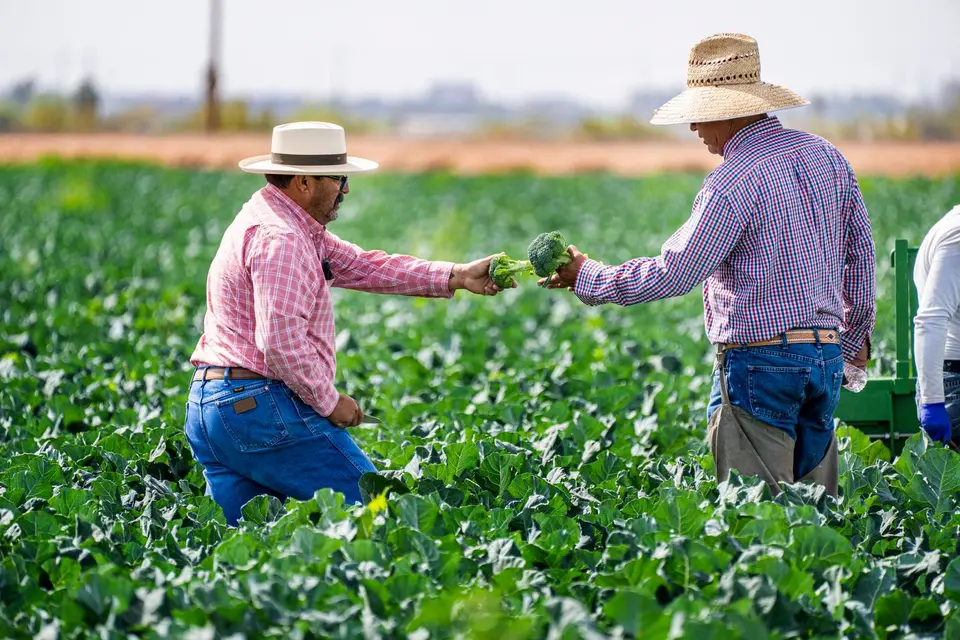
- Organic basicsHow a farm becomes organicLand moves from conventional to organic through a conversion period, records and inspection. Thai minimums are 12 months for short-lived crops and 18 for trees.