Organic food usually costs more to produce because several costs add up. Yields are often lower, the work is often more labour-intensive, land spends years in conversion, and the standard requires certification, separation and written records. The size of each cost depends on the crop and the place, so this is a general picture, not a measure of any one product.
Lower yields and more hands-on work
The organic standard limits the inputs a farm can use. A 2012 review of many field comparisons, published in Nature, found that organic yields are lower overall, but the gap varies. It was 5 percent lower for rain-fed legumes and perennial crops on soils from weakly acidic to weakly alkaline. It was 13 percent lower when the best organic practices were used. It was 34 percent lower where organic and conventional systems were most alike. The authors concluded that with good management and suitable crops, organic systems can come close to conventional yields.
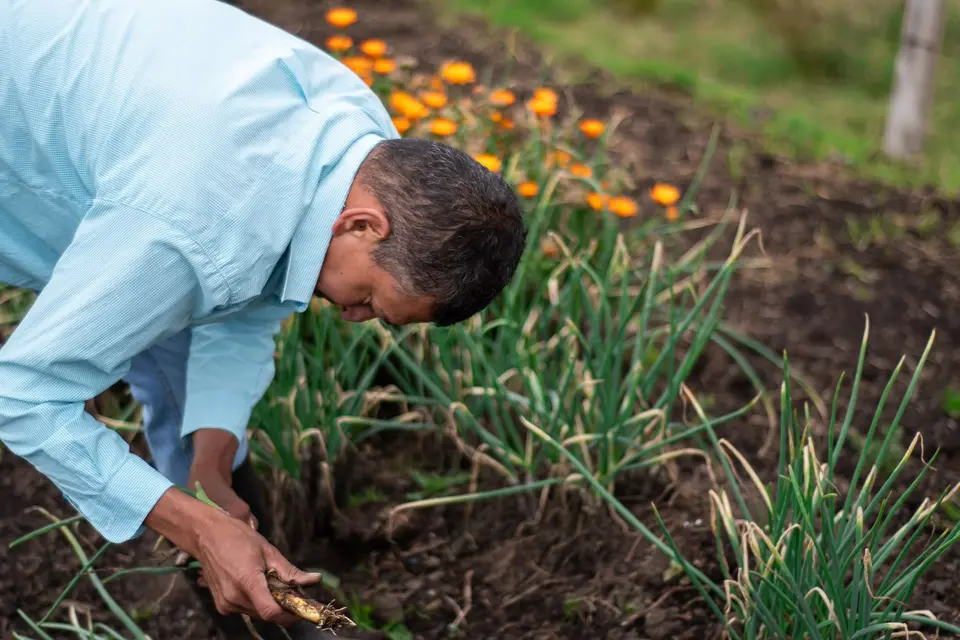
FAO's 2002 review of organic agriculture says that farmers usually see yields fall after they stop using synthetic inputs, and that crop yields tend to be lower especially in the conversion years. FAO adds that yields increase again once the organic system is fully in place. It also says organic farms often need more labour, because work replaces external inputs such as fertilisers and herbicides, although how much more depends on the farm.
Thai TAS 9000 shows where some of that work comes from. Fertility is built with green manure crops, compost and crop rotation. Weeds and pests are managed by prevention and mechanical methods, and substances must be on a permitted list. Seed and planting material should be organic unless none can be found. Buffer zones or barriers are needed against contamination from neighbouring land.
Years before the label
In Thailand the minimum conversion period is 12 months before planting for short-lived crops and 18 months before the first organic harvest for perennial crops. During that time the farm follows the standard, but the produce cannot yet carry the organic label. TAS 9000 says produce from a certified conversion may be labelled as in conversion to organic, but may not carry a certification mark that suggests it is already organic.
The farm therefore carries the extra work and the lower early yields before the full organic label is available.
Keeping organic separate and documented
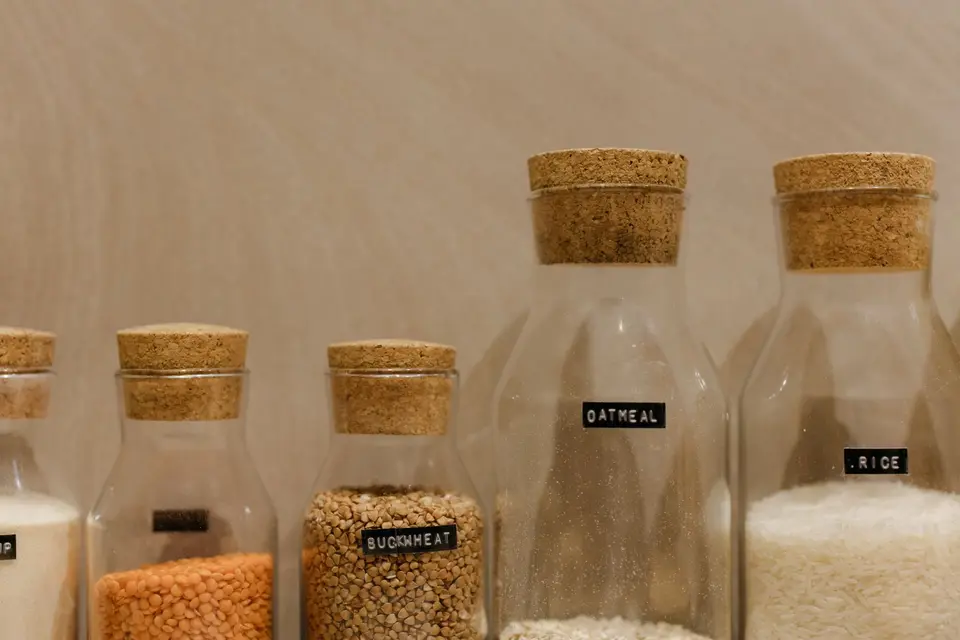
TAS 9000 requires organic produce to be kept clearly apart from non-organic produce, in storage, in handling and in processing. Where a farm is only partly organic, units must be separated and records must show that the separation works. Records of purchases, handling, inventory and sales must be kept for at least 5 years.
Certification adds its own steps. In the Department of Agriculture's public service manual, an assessment team inspects the fields, a certification committee reviews the result, and the certificate has to be renewed, with the renewal application due at least 90 days before it ends.
FAO lists many reasons why organic products cost more to bring to market. They include inspection and certification fees, segregated storage, careful handling to avoid dilution and contamination, and well-documented transport. FAO also notes that organic producers are widely spread out, which raises collection costs, and that economies of scale should lower these costs as organic agriculture takes a larger share of the market.
In short
- Organic yields are often lower, though the gap varies widely with crop and growing conditions.
- Organic methods often need more labour to replace fertilisers and herbicides.
- Thai conversion takes 12 to 18 months or more, before the produce can carry the full organic label.
- Separation, 5 years of records, inspection and certification are required and have costs of their own.
Sources
- Comparing the yields of organic and conventional agriculture (Nature, 2012), research record at VU Amsterdam
- FAO, Organic agriculture, environment and food security (2002)
- Thai Agricultural Standard TAS 9000-2021, Organic agriculture (ACFS)
- Public service manual, application for certification of organic plant production sources (Department of Agriculture)