Organic vegetables can look less uniform for two reasons. The organic standard sets how a crop is grown, not how it should look, so a farm that relies on prevention may see more insect marks. And the neat, even look of much produce comes from grading rules that sort by appearance and size. Neither one says anything about how good a vegetable tastes.
What the Thai organic standard asks for
Thailand's organic standard is TAS 9000. For pests, diseases and weeds, it says control must rely mainly on prevention. It lists measures such as choosing suitable and disease-resistant varieties, rotating crops, protecting the natural enemies of pests, mulching and mechanical methods.
Only if those measures fail to prevent serious damage may a grower use a substance from the standard's permitted list. The grower must use it only as needed and keep records showing why. The standard also bans synthetic fertilisers in organic soil management. These rules cover how the crop is grown and handled.
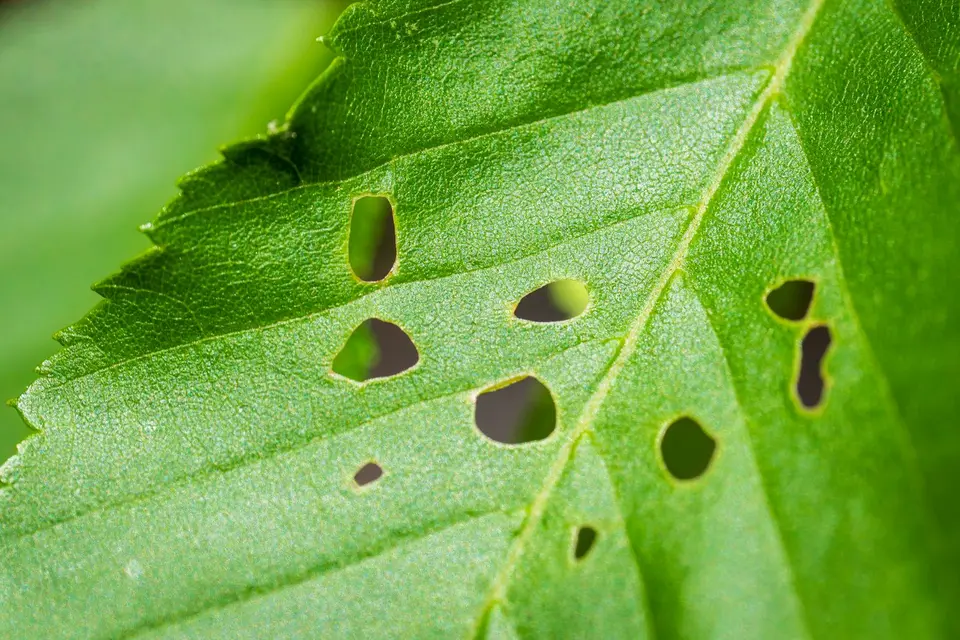
Because prevention comes first, some insect marks on leaves may appear on farms that follow these rules. Not every organic crop looks marked, though, and a marked leaf alone does not tell you how a crop was grown. The label and the certifying body do that.
How appearance grading works
Many fresh vegetables are sorted into classes before sale. The ASEAN standard for head lettuce, in its final draft, is a public example. In every class the lettuce must be whole, fresh, sound, clean and practically free of pests and of damage that affects its general appearance. Class I is described as good quality. Class II takes lettuce that does not qualify for Class I but meets the minimum requirements, and it allows slightly wilted or damaged leaves and slight discolouration.
The same standard sorts lettuce into size codes by weight. Code 1 is over 600 g, and code 5 is 200 g or less. It allows 5 percent by weight of Class I lettuce to fall short of the class.
Grades are partly a matter of agreement between grower and customer. Thailand's Highland Research and Development Institute explains how a grade specification is set. The grower and customer agree on shape, colour, weight, harvest age and trimming. They also agree on how much damage is acceptable. The Institute's example allows insect damage on about 10 percent of the produce in a container. It adds that weight changes with the season: a cos lettuce may weigh 150 to 300 g in the cool season and only 20 to 50 g in the rains.
What matters for eating
The FAO notes that high appearance standards in the retail trade can lead to waste. Some produce is rejected for its weight, size, shape or appearance even though it is sound. It also reports surveys showing that consumers will accept uneven produce as long as the taste is not affected. Its example is from carrots in Britain.
For choosing vegetables, Thai FDA's advice is about freshness rather than perfection. It lists natural colour, no white film that looks like chemical residue, no unusual smell, and it mentions a few bite marks from caterpillars or insects among the signs it describes. The ASEAN minimum requirements point the same way: fresh, sound, clean and free of foreign smell or taste. Wilting, rot and smell are better guides to quality than a small hole in a leaf.
In short
- The Thai organic standard covers how crops are grown and handled, with prevention first for pests and diseases.
- Grading classes and size codes sort by appearance and weight, and customers and growers agree what damage is acceptable.
- Size changes with the season: one Thai example is cos lettuce at 150 to 300 g in the cool season and 20 to 50 g in the rains.
- Freshness, soundness, cleanliness and smell are better signs of quality than a few insect marks.
Sources
- Thai Agricultural Standard TAS 9000-2021, Organic Agriculture (มกษ. 9000-2564), National Bureau of Agricultural Commodity and Food Standards
- ASEAN Standard for Head Lettuce (ASEAN Stan 50), final draft
- Making grades for organic vegetables (การจัดทำเกรดผักอินทรีย์), Highland Research and Development Institute
- Global food losses and food waste, chapter 4, Causes and prevention of food losses and waste, FAO
- Three ways to wash vegetables (3 วิธีล้างผัก เพื่อลดสารเคมีตกค้าง), Thai FDA