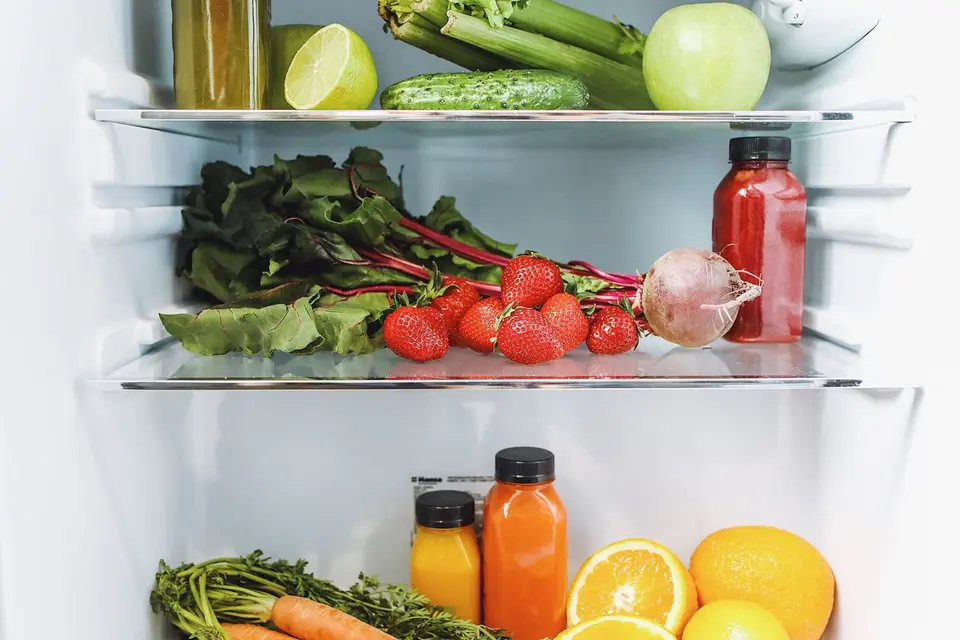
Leafy greens keep best when they are cold, humid and not washed until you are ready to use them. Colorado State University Extension suggests a plastic container lined with paper towels, kept in the produce drawer of the fridge. Not everything belongs there: basil, tomatoes, potatoes and onions do better outside the cold, and some summer vegetables are damaged by it.
Cold and humid
Leaves lose water quickly, and a wilted leaf is mostly a dry leaf. Thailand's Highland Research and Development Institute (HRDI) notes that vegetables in cold rooms wilt when the air is too dry, so humidity matters as much as temperature.
HRDI's cold-room figures give a sense of the target. Vegetables of the lettuce family, cabbage and Chinese cabbage are held at about 0 °C. When many kinds of vegetable share one room, HRDI recommends about 2 to 4 °C and a relative humidity of about 95 percent.
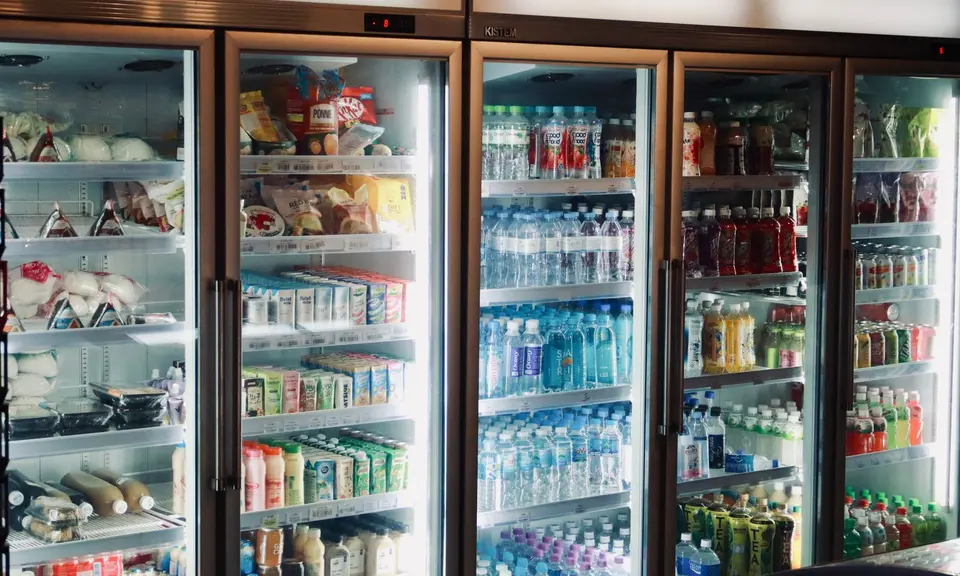
A home fridge cannot match that, and it does not need to. The US Food and Drug Administration advises keeping perishable produce, including lettuce and herbs, in a clean refrigerator at 40 degrees F or below. That is about 4 °C.
Wrap, do not wash early
Colorado State University Extension, in the United States, says not to wash greens before storing them. Place them in a plastic container lined with paper towels and keep the container in the produce drawer. When you are ready to eat, swish the leaves in a clean bowl of water, then rinse them under cool running water.
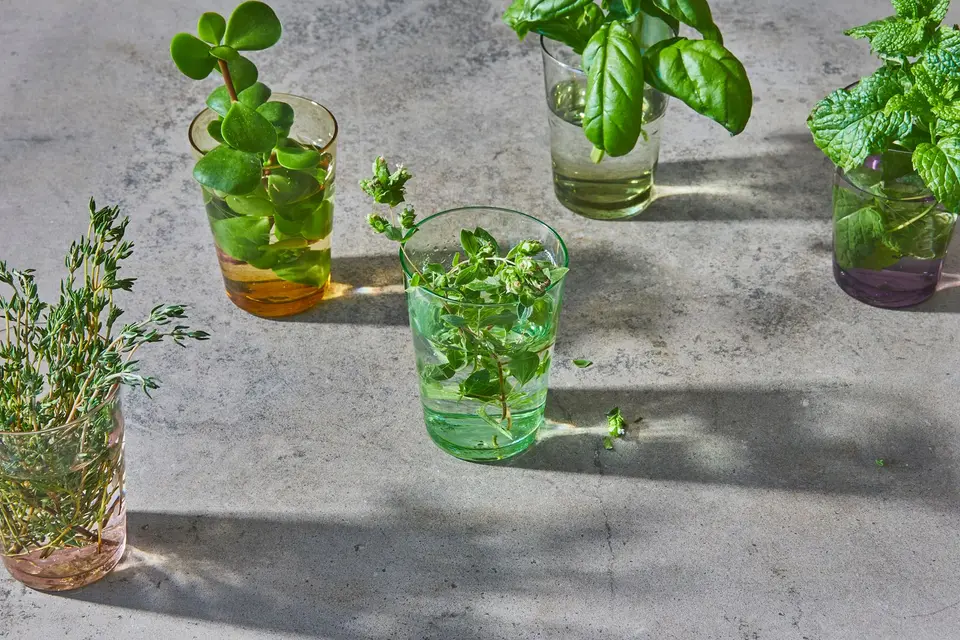
The University of Connecticut gives rough storage times for the crisper drawer: 5 to 7 days for lettuce and 1 to 2 days for other greens. For herbs it gives 2 to 3 days. Herbs can go in a plastic bag, or stand upright in a glass of water with a bag placed loosely over the top. These figures come from United States extension advice and will vary with the freshness of the leaves and the temperature of the fridge.
What does not belong in the cold
Basil is the clearest example among herbs. A review of basil storage reports that temperatures below 12 °C cause injury, and below 10 °C the injury becomes severe. At 0 °C the leaves blacken within one day, and at 5 °C within about three days. The review recommends 12 to 15 °C, which is warmer than a home fridge.
Other vegetables are sensitive too.
- HRDI lists cucumber, okra, eggplant and pumpkin as unable to tolerate temperatures below 10 °C. A household fridge at about 4 °C is colder than that.
- The University of Connecticut says ripe tomatoes should not be stored in the refrigerator, because the cold leaves them tasteless and mealy.
- Potatoes and dry onions, it says, belong in a cool, dry, well-ventilated place, out of direct sunlight. Light makes potatoes turn green.
- It also advises keeping cucumbers away from apples and tomatoes.
These notes describe cold-room and extension guidance. A particular vegetable may behave differently depending on its variety and how long it has been stored.
In short
- Keep leafy greens unwashed, in a container lined with paper towels, in the fridge drawer.
- Wash them just before use, by swishing in clean water and rinsing under running water.
- Keep the fridge at about 4 °C or colder, as the US Food and Drug Administration advises for perishable produce.
- Basil is injured below 12 °C, and cucumber, okra, eggplant and pumpkin cannot tolerate below 10 °C, according to the sources above.
Sources
- How to Use Lettuce and Other Greens, Colorado State University Extension
- Storing Fresh Garden Produce, University of Connecticut Extension
- Vegetable storage temperature (อุณหภูมิในการเก็บรักษาพืชผัก), Highland Research and Development Institute
- Preharvest and postharvest techniques that optimize the shelf life of fresh basil, review article
- Selecting and Serving Produce Safely, US Food and Drug Administration