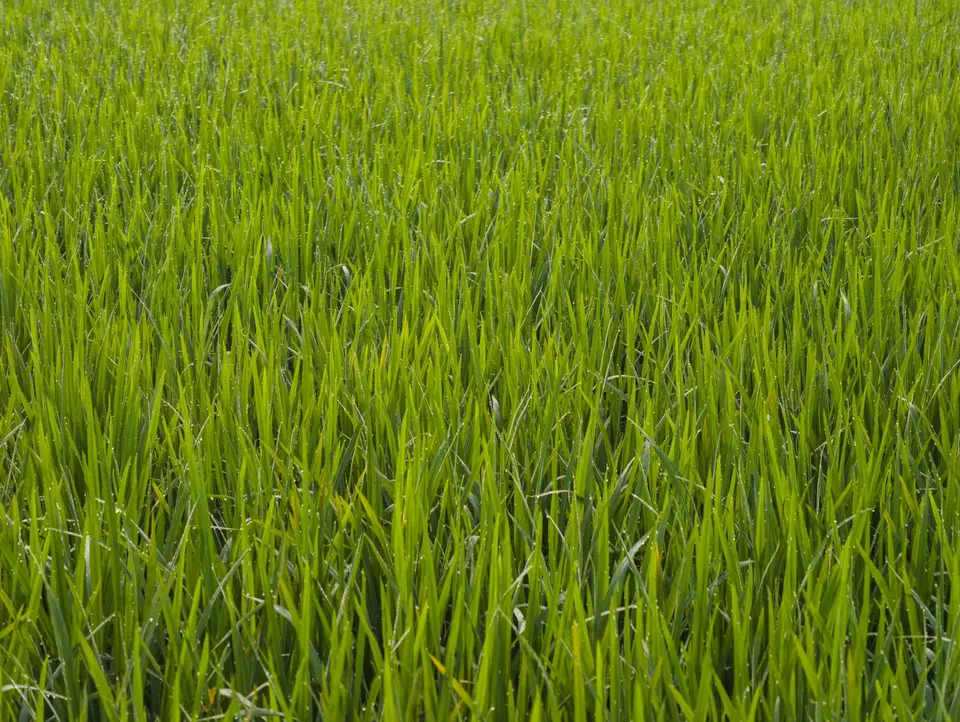
An organic rice season starts before the seed goes in. The field has to be under organic management for at least 12 months before the crop is planted, the soil is built up with green manure, and weeds are handled without herbicides. After harvest, the rice is dried and kept apart from non-organic rice at every step. This is a general picture based on Thai standards, not a description of any one farm.
Two Thai documents are used here. TAS 9000-2021 is the 2021 general standard for organic agriculture, issued by the National Bureau of Agricultural Commodity and Food Standards (ACFS). The earlier standard for organic rice, TAS 9000 Part 4 of 2010, was prepared with a Rice Department adviser as chair of its committee, and its appendix gives detailed practice.
Land and soil
TAS 9000-2021 says that for annual crops such as rice, organic management must run for at least 12 months before planting. The count starts when the grower begins to follow the standard and applies to a certification body. The certification body can shorten the period if there is verifiable evidence that no prohibited substances were used, and can lengthen it, for example after heavy chemical use. Buffer strips or dikes are used to protect the field from neighbouring land.
Soil fertility comes from the farm itself. The standard bans synthetic fertilisers, and in general bans burning stubble to clear land. Instead, rice stubble is ploughed back after harvest, and legumes are grown as green manure. The organic rice standard names cowpea, jack bean, sunn hemp and Sesbania rostrata as examples. It suggests sowing the legumes about two months before the rice, ploughing them in after 45 to 60 days or when flowering begins, and leaving them to rot for 7 days before planting rice. Compost and manure are allowed only when fully rotted and from organic or approved sources.
Seed, water and weeds
Seed should come from organic farming. If it is not available, the standards allow untreated conventional seed in some cases with the certifier's approval, but never seed treated with chemicals. Genetically modified varieties are not allowed. The organic rice standard also asks for varieties suited to the area and resistant to local diseases and insects.
Weeds are controlled by physical and cultural means. The Thai organic rice standard lists careful land preparation, planting methods that reduce weeding, transplanting seedlings where weeds are heavy, keeping a water level in the paddy that holds weeds back, hand weeding, rotary weeders and crop rotation. Golden apple snails and crabs are managed by lowering the water level and collecting them by hand or with traps. Only the substances on the standard's permitted list may be used for pests, and only when other measures fail.
Harvest, drying and keeping rice separate
At harvest the aim is to avoid mixing and contamination. TAS 9000-2021 requires measures during threshing, husking, cleaning, drying and packing on the farm. If a harvester or thresher is also used for non-organic rice, the organic rice standard says it must be cleaned properly first.
Paddy is dried to no more than 14 percent moisture before storage, which is the same limit the Thai rice standard sets for paddy going into storage. Storage for organic rice is kept clean, ventilated and separate from other rice, and the amount stored is recorded. Sacks and vehicles must be free of contamination. TAS 9000-2021 does not allow reused bags or containers that have touched anything that could damage organic status.
Milling follows the same logic. Organic and non-organic rice must be kept apart, by place or by time, and the equipment must be cleaned before organic rice goes through. Records of what was processed are kept.
A farm does not have to convert all at once. For rice, TAS 9000-2021 allows part of a farm to be converted only if the organic and non-organic rice are different types and different varieties that can be told apart, such as Hom Mali and coloured or glutinous rice, with clearly separated areas and handling. Records, including inputs used, must be kept for at least 5 years.
In short
- Fields need at least 12 months of organic management before an annual crop like rice is planted, as TAS 9000-2021 sets it.
- Soil is built with rotted compost, stubble and legume green manure, with no synthetic fertiliser and no burning.
- Weeds are handled by land preparation, water level, transplanting and hand or mechanical weeding.
- Paddy is dried to no more than 14 percent moisture and stored, milled and transported apart from non-organic rice.
- Records are kept for at least 5 years.