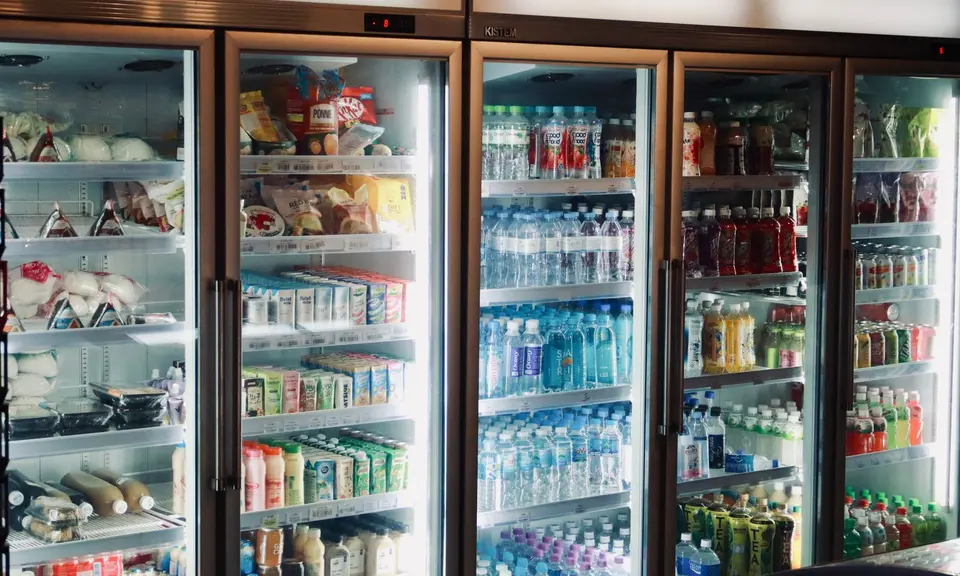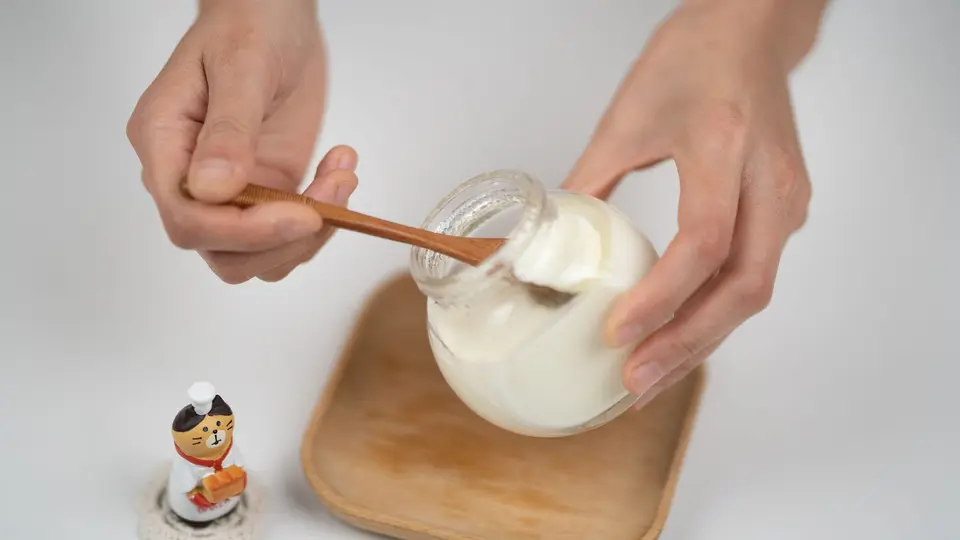
Chilled milk and yogurt belong in the fridge, kept at 8 degrees Celsius or lower under Thai rules, and used within the date on the pack. Once a pack is opened, finish it soon. Long-life milk in unopened cartons is the exception and can be kept at room temperature.
How cold the fridge should be
Thailand sets its limit in Ministry of Public Health notifications. For fresh and pasteurised cow milk, the limit is 8 degrees Celsius or lower from filling until the milk reaches the consumer. For yogurt, which the notification on fermented milk defines as milk fermented with named bacteria, the same limit applies to yogurt that has not been heat-treated after fermentation and to yogurt pasteurised after fermentation.
The United Kingdom Food Standards Agency suggests a fridge between 0 and 5 degrees Celsius and recommends checking it with a fridge thermometer about once a week. It lists dairy products among the foods to keep in the fridge. The UK range is colder than the Thai ceiling, so a fridge that holds 5 degrees Celsius or lower also meets the Thai limit.
Where in the fridge
Fridges are not equally cold everywhere. A Clemson University extension fact sheet from the United States says the butter compartment on the door is set at warmer temperatures, and advises keeping butter there no longer than two days. The UK agency adds that leaving the door open for long periods makes the fridge work harder to stay cold.
Those sources speak about butter and about the door, not about milk specifically. Even so, the point carries over as a sensible precaution. An inner shelf is a steadier place for a milk bottle than the door, which is opened often.
The date and how long it keeps
Thai rules tie the keeping time to the date of filling:
- pasteurised or fresh milk: consumed within 10 days of filling, unless the producer has Thai FDA approval for a longer period
- yogurt: consumed within 30 days of filling, under the same exception
Thai FDA gives a similar figure for ready-to-drink pasteurised sour milk: up to 30 days at 8 degrees Celsius or lower. Some drinking yogurts and sour milks are UHT treated after fermentation. Thai FDA says ready-to-drink UHT sour milk keeps about 8 months without chilling. The pack tells you which kind it is, because Thai rules require the name to carry the word "pasteurised" or "UHT" for sour milk that is heat-treated after fermentation.
The international food code, Codex Alimentarius, adds that unless a milk product is shelf stable, its label should state that it needs refrigeration. So the storage line on the pack is part of the product, not an extra.
For comparison, the Clemson fact sheet works from "sell-by" dates, a United States system. It says milk kept at the proper temperature keeps its fresh taste for one to five days beyond that date, and that covered yogurt can be kept seven to 10 days beyond it. Thai limits for pasteurised milk and yogurt are counted from the day of filling, so those US figures should not be applied to Thai packs.
After opening
Thai FDA advises that bagged pasteurised milk you do not finish should be poured off and drunk soon. The Clemson fact sheet says an opened pack of UHT milk is treated like fresh milk and used within several days. No Thai figure for opened UHT milk or opened yogurt was found, so the practical guide is to keep the pack closed and cold, and to finish it soon.
In short
- Thai rules keep pasteurised milk and yogurt at 8 degrees Celsius or lower from filling to the consumer.
- The UK Food Standards Agency suggests a fridge setting of 0 to 5 degrees Celsius, checked with a thermometer.
- The door is the warmer, more disturbed spot, so an inner shelf is the steadier place for milk.
- Under Thai rules, pasteurised milk is used within 10 days of filling and yogurt within 30 days, unless approved otherwise.
- After opening, keep the pack closed and cold, and finish it soon.
Sources
- Ministry of Public Health Notification No. 350 (2013), Cow Milk (Royal Gazette, Thai FDA)
- Ministry of Public Health Notification No. 353 (2013), Fermented Milk (Royal Gazette, Thai FDA)
- World Milk Day, how to choose and store milk (Thai FDA, 31 May 2024)
- How to chill, freeze and defrost food safely (UK Food Standards Agency, on GOV.UK)
- Safe Handling of Milk and Dairy Products (Clemson University Cooperative Extension)