Unripe fruit that continues to ripen after harvest belongs on the counter, and ripe fruit can go in the fridge to last longer. Tropical fruits such as banana, mango and papaya are the exception to be careful with, because cold below about 12 to 13 °C can damage them. Berries and other perishable fruit go in the fridge, and fruit that gives off a lot of ripening gas should be kept apart from fruit you want to keep firm.
Counter first, then fridge
Iowa State University Extension says fruits that keep ripening should be allowed to ripen at room temperature and then refrigerated to extend their life. That covers fruits such as bananas, mangoes, papayas, avocados, peaches and pears.
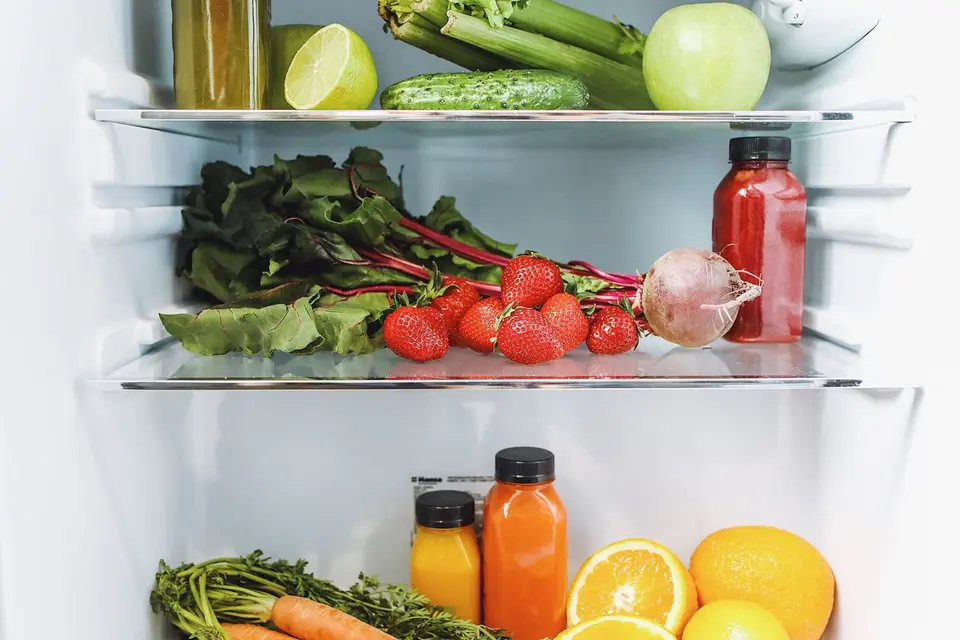
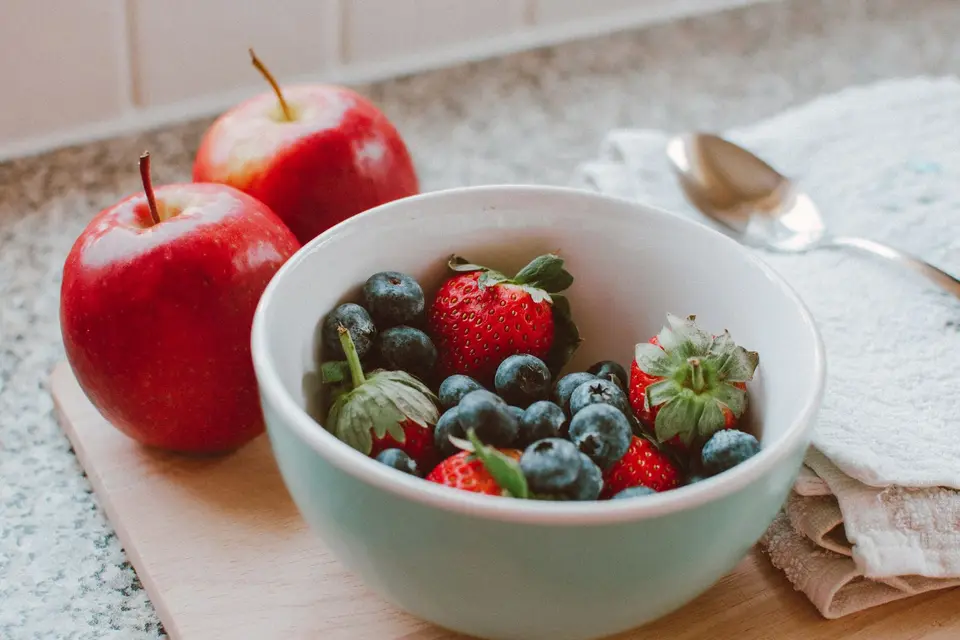
For perishable fruit, the US Food and Drug Administration advises storing it in a clean refrigerator at 40 degrees F or below, which is about 4 °C. It names strawberries as one example. University of Maine Cooperative Extension adds that berries should not be washed until they are ready to be eaten.
The ideal temperature differs from fruit to fruit. The University of California notes that apples are kept closer to 32 °F, which is 0 °C, while most home refrigerators are set around 40 °F. A single fridge setting is a compromise, and it suits some fruit better than others.
Cold damage in tropical fruit
A Queensland Department of Primary Industries paper explains chilling injury. Tropical and subtropical fruits can be damaged by cold at temperatures well above freezing, often below about 12 to 13 °C. A home fridge is much colder than that.
The paper lists symptoms and temperatures for several fruits.
- Banana: obvious symptoms appear after 24 hours at 5 °C. Mild damage is a darkening of the skin. Severe damage brings dull yellow or brown skin, failure to ripen, loss of flavour and hardened pulp.
- Mango: below about 13 °C, a grey, scald-like skin colour, uneven or failed ripening and poor flavour. Partly ripened fruit is less sensitive.
- Papaya: below 12 °C, delayed or uneven ripening, blotchy skin and off-flavours.
- Guava: below 5 °C, skin discolouration and a gel-like pulp.
- Avocado: grey-brown discolouration of the flesh, uneven ripening and off-odours, with the exact sensitivity depending on the variety.
- Pineapple: internal browning called blackheart. Symptoms can occur at temperatures up to 21 °C, with the greatest sensitivity at 15 to 18 °C.
The paper adds that sensitivity varies widely between fruits, between varieties of the same fruit and between growing areas. For avocado it notes that fruit can look satisfactory in storage and show symptoms later, during ripening. Its advice is to avoid or minimise exposure to chilling temperatures, in the field and afterwards.
Iowa State's advice is general and covers many fruits. The Queensland paper is specific to tropical fruit. Where the two meet, the cautious reading is to ripen first at room temperature and to treat the fridge as a place for fruit that is already ripe.
Keep ethylene producers apart
Ripening fruit releases ethylene and is also receptive to it. The University of California advises keeping ripening fruit away from fruit you are trying to keep from ripening. Iowa State suggests keeping climacteric and ethylene-sensitive items in different drawers.
In short
- Let ripening fruit reach ripeness at room temperature, then use the fridge to extend its life, as Iowa State University Extension advises.
- Perishable fruit such as strawberries belongs in a clean fridge at about 4 °C or below, and berries stay unwashed until eating.
- Banana, mango, papaya and guava can suffer chilling injury below about 5 to 13 °C, depending on the fruit.
- Keep ripening fruit apart from produce that you want to keep unripe.
Sources
- Ripening and Storing Fruit, Iowa State University Extension and Outreach
- Ripening Fruit, University of California Agriculture and Natural Resources
- Temperature management and chilling injury of tropical and subtropical fruit, Queensland Department of Primary Industries, 1985
- Selecting and Serving Produce Safely, US Food and Drug Administration
- Storing Garden Produce, University of Maine Cooperative Extension