Rice keeps best when it is dry, kept cool, and sealed in a clean container away from insects. White rice keeps longer than brown rice. Brown rice still has its bran, and the oil in the bran can go rancid. The Thai rice standard asks for a best-before date on brown rice packs.
Dry first
Moisture is the main threat to stored rice. The Thai rice standard, TAS 4004, sets a limit of 15 percent moisture for dry paddy, and no more than 14 percent for paddy that is going into storage. The Thai organic rice standard gives the reason. Rice stored too damp can pick up fungus. White rice then turns yellowish with black spots, and damaged paddy breaks easily when it is milled.
For a household, the same idea means keeping rice away from damp. That means a dry shelf, a dry scoop and a lid that closes properly.
Cool, sealed and clean
Heat speeds up ageing. A Thai university review of storage research reports that high temperature brings on a rancid smell in rice sooner, and that longer storage changes the fat content and the fragrance. A cool, shaded cupboard is therefore a better place than one beside the stove or in the sun.
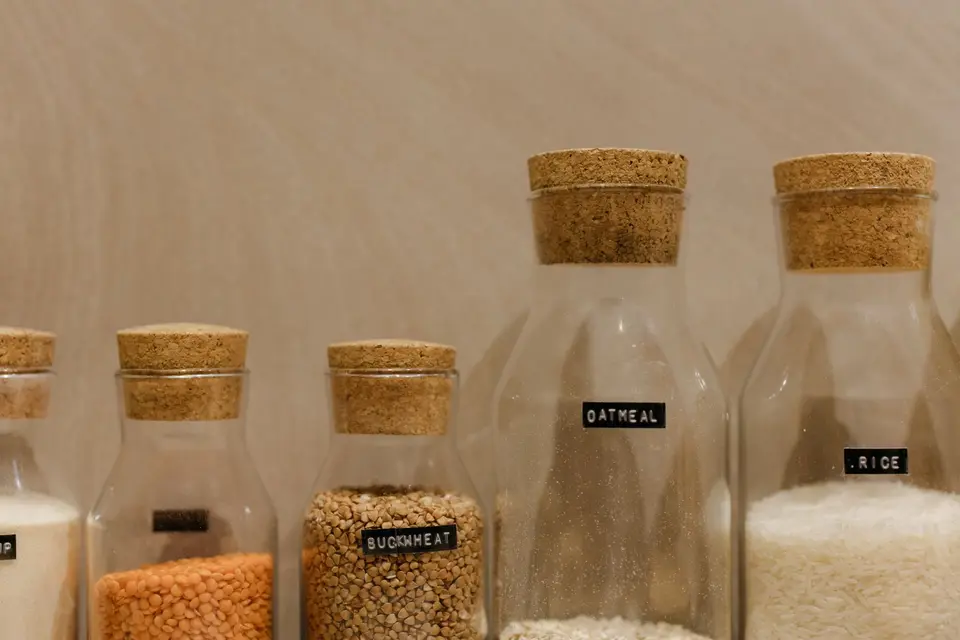
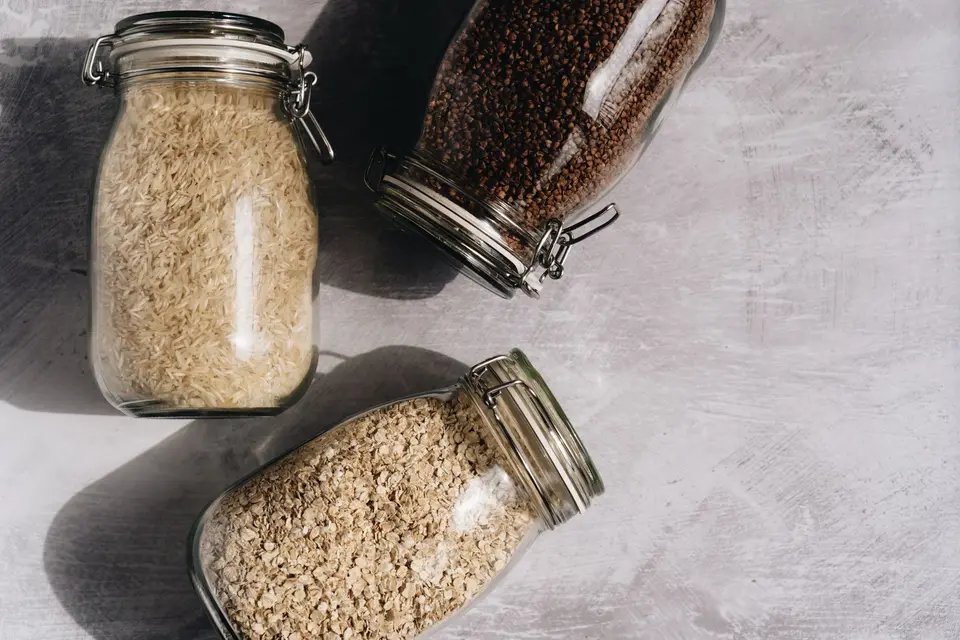
A sealed container keeps out moisture and insects. Utah State University Extension recommends inspecting rice for insects or discolouration before storing it, and lists food-safe plastic containers, glass jars, lined cans and foil-type bags as containers that work for long storage. In Thailand, the rice standard asks that packed brown and white rice come in containers that protect the grain from contamination and from damage.
Insects
The Thai organic rice standard names the insects that usually attack stored rice. In white rice these are the rice weevil, the corn weevil, the rice moth, the red flour beetle and the saw-toothed grain beetle. In paddy they also include the Angoumois grain moth, the lesser grain borer and the Siamese grain beetle.
The standard's advice for storerooms is simple. Clean the store before filling it, clean it regularly, and keep it ventilated. The same habit works at home. Empty and wipe the container before you refill it, and do not top up old rice with new rice without looking at the old rice first.
Why brown rice keeps for less time
When the bran is left on, the oils in it stay in the grain. A 2025 review in the journal Foods describes rice bran as rich in unsaturated fatty acids and prone to two kinds of rancidity. One comes from fats breaking down on their own (hydrolytic). The other comes from reaction with oxygen (oxidative). Rice that has gone rancid has an off smell.
White rice has had most of the bran removed, so there is less oil to go off. For brown rice sold to consumers, the Thai rice standard asks for a best-before date on the pack.
Following that date is the practical answer. A smaller amount in the container, used within the date, is a better plan than a big bag kept for months.
In short
- Dry paddy is limited to 15 percent moisture in the Thai rice standard, and 14 percent or less when it goes into storage.
- Heat brings rancid smell sooner, so a cool, shaded place is better.
- A clean, sealed container keeps out damp and insects. Check rice for insects and discolouration before storing it.
- Rice weevils and several beetles and moths attack stored rice, which is why clean, ventilated storage matters.
- Brown rice keeps for less time because its bran oil can turn rancid. The Thai rice standard asks for a best-before date on brown rice packs.
Sources
- Thai Agricultural Standard TAS 9000 Part 4-2010, Organic Rice (ACFS, unofficial translation)
- Thai Agricultural Standard TAS 4004-2017, Rice (ACFS)
- Non-thermal stabilization strategies for rice bran (Foods, 2025)
- Storing white rice (Utah State University Extension)
- Influence of storage duration on cooking and eating quality of rice (Ubon Ratchathani University seminar paper)