A calm weekly food plan starts in your own kitchen. Look at what is already in the fridge and cupboard, decide a few meals, and write a list for those. Use the fresh, quick-to-spoil foods in the first days of the week and the foods that keep for the later days. Leave one meal open for leftovers.
Start with what you already have
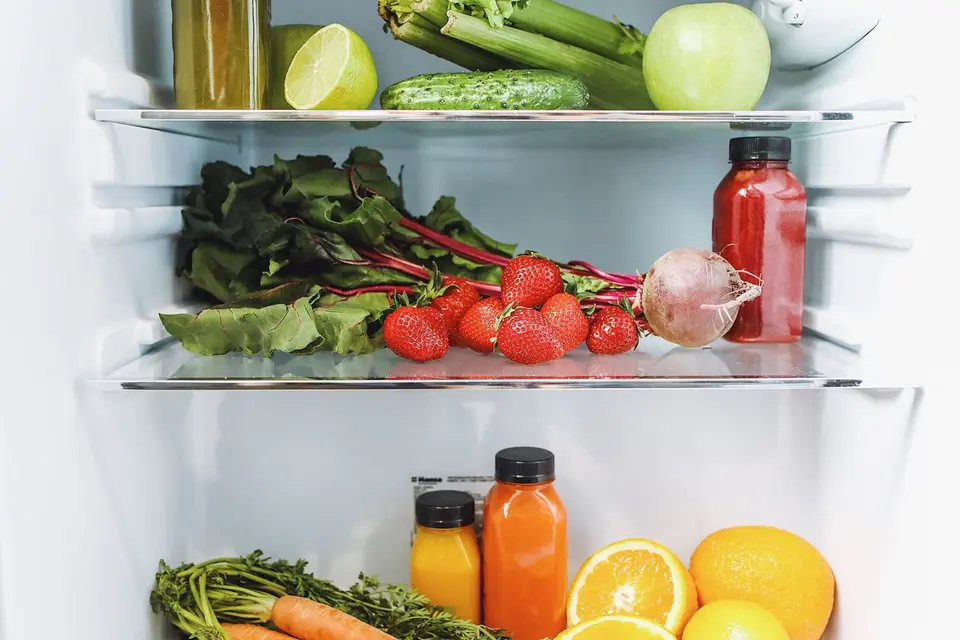
The Food and Agriculture Organization (FAO) gives short advice for households: plan your meals, make a list and stick to it. Checking the fridge and cupboard first means the list covers only what is missing. FAO also says to move older products to the front and new ones to the back, so the older food gets used first.
A plan does not need to be strict. Three or four meals written down, with room for changes, is enough to guide the list.
Choose with the season in mind
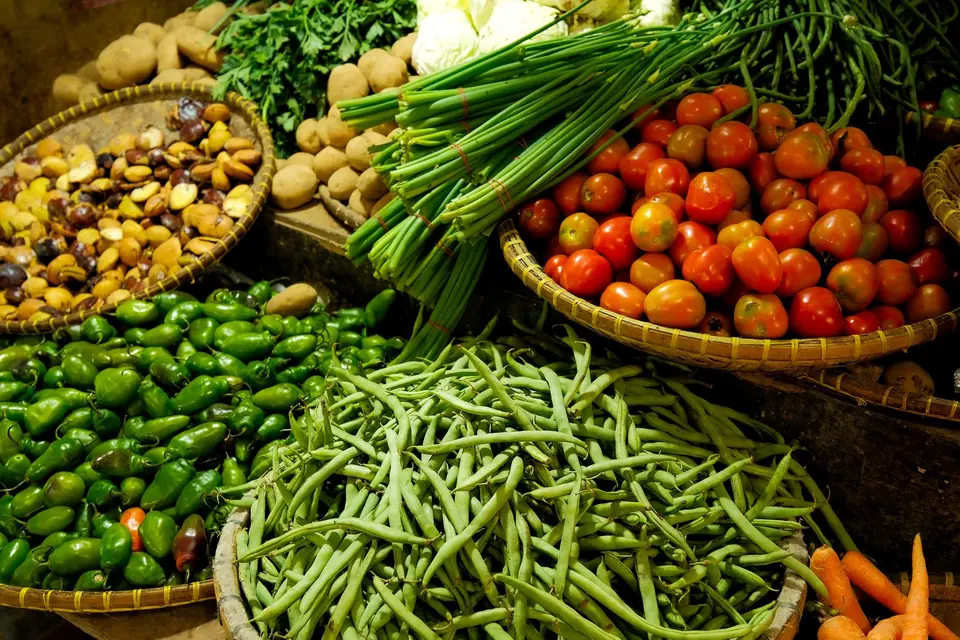
Thai vegetables do not all suit the same season. The Department of Agricultural Extension (DOAE) publishes separate lists of vegetables for the cool season and for the dry season. For the cool season it names cabbage, cauliflower, carrots and tomatoes among others. For the dry season it names crops such as cucumber, long beans and sweet potato. These lists are written for growers, so they show what suits each season in the field rather than what is on sale. Still, they are a reminder that the choice changes through the year. The best guide is what looks fresh and is plentiful that week.
A good first step is to pick a few vegetables that are in good condition and build meals around them, instead of following a fixed list every week.
Fresh first, keepers later
Fresh produce and food that keeps do not need to be used at the same speed. A simple order for the week looks like this:
- Early in the week: the produce that is most delicate or already ripe.
- Mid-week: sturdier vegetables and fruit.
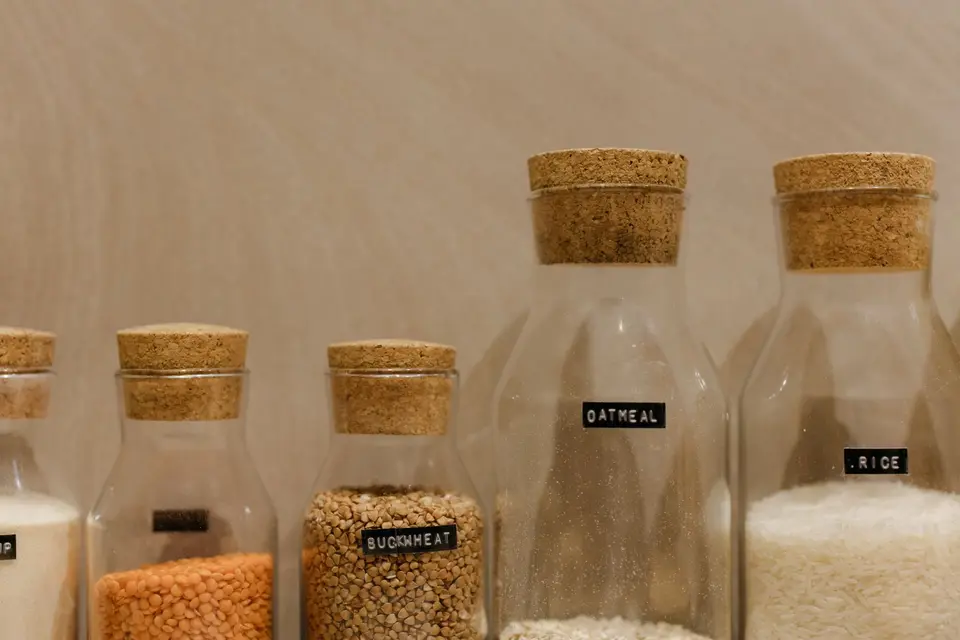
- Later in the week: staples that keep, such as rice, dried beans and the vegetables that last longest.
South Dakota State University Extension, a US source, lists winter squash, onions, potatoes, sweet potatoes and carrots among the longest-keeping vegetables, each under conditions suited to that vegetable. Those conditions differ for each one, so check how a vegetable is best stored before counting on it for the end of the week.
A weekly routine ties this together:
- Before making the list: check the fridge and cupboard, decide three or four meals, then write the list.
- When picking up food: choose the fresh items for the first days, plus a few that keep for later. Choose fruit and vegetables for their condition, not for perfect shape. FAO notes that oddly shaped or bruised produce is often thrown away.
- At home: put new food behind old.
- End of the week: cook a meal from what remains, and freeze or reuse any leftovers, as FAO suggests.
What the Thai guidelines name
The Department of Health publishes food-based dietary guidelines for Thai people, in an edition called FBDGs 2026. Its guidance, as stated, asks people to eat from every food group, with variety within each group, in the amounts shown on the Thai Nutrition Flag. It names rice as the main staple, with emphasis on brown rice and hand-milled rice, alternating with other starchy foods at some meals. It asks for fish, eggs, lean meat, dried beans and bean products regularly, and for vegetables and fruit of many colours regularly. It also asks for clean, safe, freshly cooked food.
This is the Department's guidance, and it is not a promise about any single food. It is useful for a weekly plan as a list of the kinds of food to have on hand: a staple, a protein, vegetables and fruit.
In short
- Start from what is already at home, then write a short list for three or four meals.
- Use the quick-to-spoil produce early in the week and the foods that keep later.
- DOAE advises different vegetables for the cool and dry seasons, so what is plentiful changes through the year.
- The Department of Health's guidelines name rice, with brown rice emphasised, fish, eggs, lean meat, dried beans, vegetables and fruit.
- Leave room for leftovers, and put new food behind old.
Sources
- Food-based dietary guidelines for Thai people, FBDGs 2026 (Department of Health)
- Which vegetables to grow in the cool season (Department of Agricultural Extension)
- Which vegetables to grow in the dry season (Department of Agricultural Extension)
- 15 quick tips for reducing food waste and becoming a Food hero (FAO)
- Storage Life of Vegetables (South Dakota State University Extension)