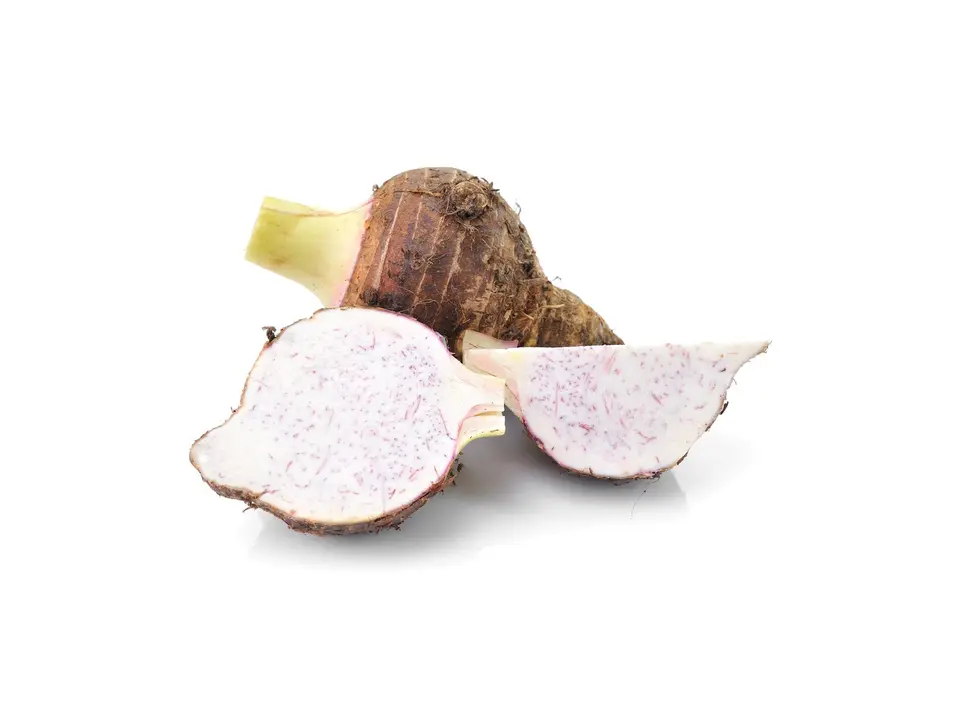
Taro.
A hairy brown corm with creamy, nutty flesh for sweets and savoury dishes
Coming soon
- Storage
- Keep taro whole and dry in a cool, airy place out of the fridge, and peel it just before cooking.
- Keeps
- Best within a few days
- Season
- All year, supply varies
- Origin
- Thailand
- Organic
- Certificate shown for each lot
Taro is the corm, a swollen underground stem, of a plant with big heart-shaped leaves. Outside it's brown, rough and ringed with fine hairs. Inside, the flesh is creamy white, often flecked with small purple dots. Once cooked it turns soft and slightly sticky, with a gentle nutty taste and a scent all its own. Thai desserts use it a lot, and it holds up just as well in savoury pots.
Raw taro is never eaten. It makes the mouth and skin itch, so it always needs to be cooked through, and many people wear gloves to peel it.
Ways to use it
- Steam chunks until soft, then serve with grated coconut and a little sugar and salt.
- Simmer cubes in sweet coconut milk for a warm dessert.
- Mash steamed taro with flour to make the purple-flecked dough for bua loy, small dumplings in coconut milk.
- Slice thin and fry into crisp chips, or cut into sticks and fry in batter.
- Add chunks to a Chinese-style braise with pork belly and soy sauce.
Storing it
Keep the corms whole, dry and unwashed in a cool place with some air around them, away from the fridge. Peel with a knife, rinse the pieces, and cook them the same day.
Where it comes from
Grown to certified organic standards. The certificate for each lot is shown when you trace your pack.
Every pack will carry a lot code. Enter it on the Trace your pack page and you will see the farms in that lot, the harvest date and the certificate.
What's inside
In 100 g of the part you eat
- Energy
- 112 kcal
- Protein
- 1.5 g
- Fibre
- 4.1 g
- Fat
- 0.2 g
Rich in
- Vitamin E2.4 mg26%
Good for: Helps protect cells from oxidative damage.
- Vitamin B60.28 mg22%
Good for: Helps the immune system and eases tiredness.
- Copper0.17 mg19%
Good for: Helps the immune system and moves iron around the body.
- Potassium591 mg17%
Good for: Helps muscles work and keeps blood pressure normal.
- Fibre4.1 g16%
Good for: Helps keep digestion regular.
The bar shows how much of a day's need 100 g gives.
Also has
- Manganese 0.38 mg
- Phosphorus 84 mg
- Magnesium 33 mg
- Vitamin B1 0.1 mg
- Folate 22 µg
- Vitamin C 4.5 mg
The % is the share of what a person aged 6 or over needs each day (Thai RDIs, Ministry of Public Health notice No. 445, 2023). The "Good for" line is shown only when 100 g gives 15% or more. Typical values from USDA FoodData Central (Taro, raw). Each harvest varies a little.
Good to know.
All guides- Washing vegetables at homeWhat Thai FDA and the Department of Medical Sciences say about washing vegetables, and what washing can and can't remove.
- Wasting less food at homeHouseholds throw away most of the world's wasted food. Planning, using older food first and finding a use for leftovers are the habits FAO and UNEP point to.
More vegetables.
See all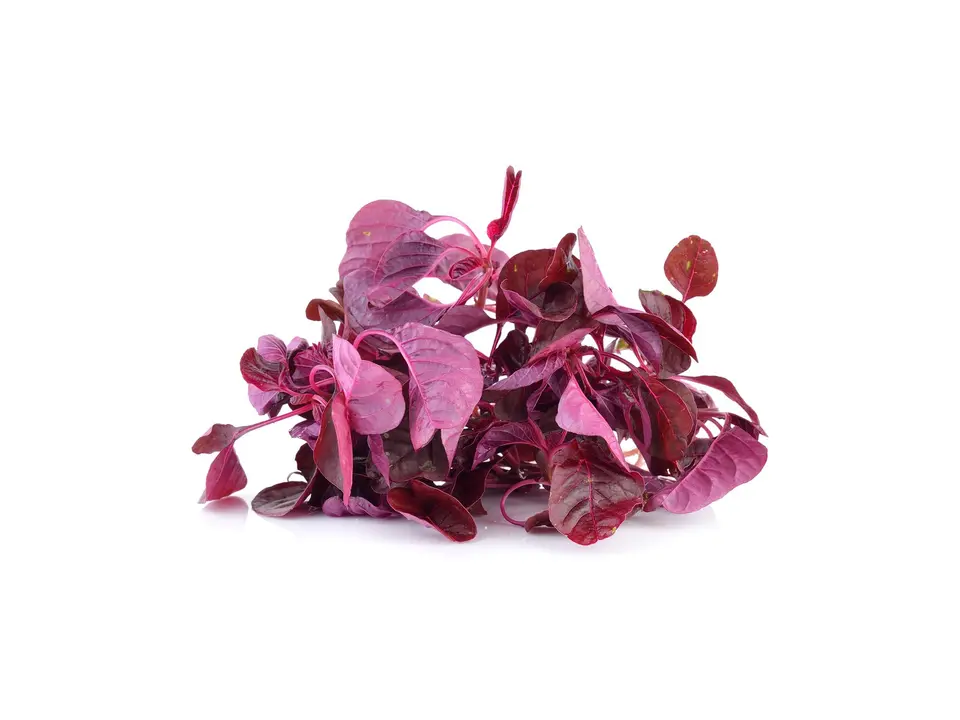 Coming soonVegetablesChinese spinach (amaranth)Soft green leaves, sometimes splashed with red, for soups and stir fries
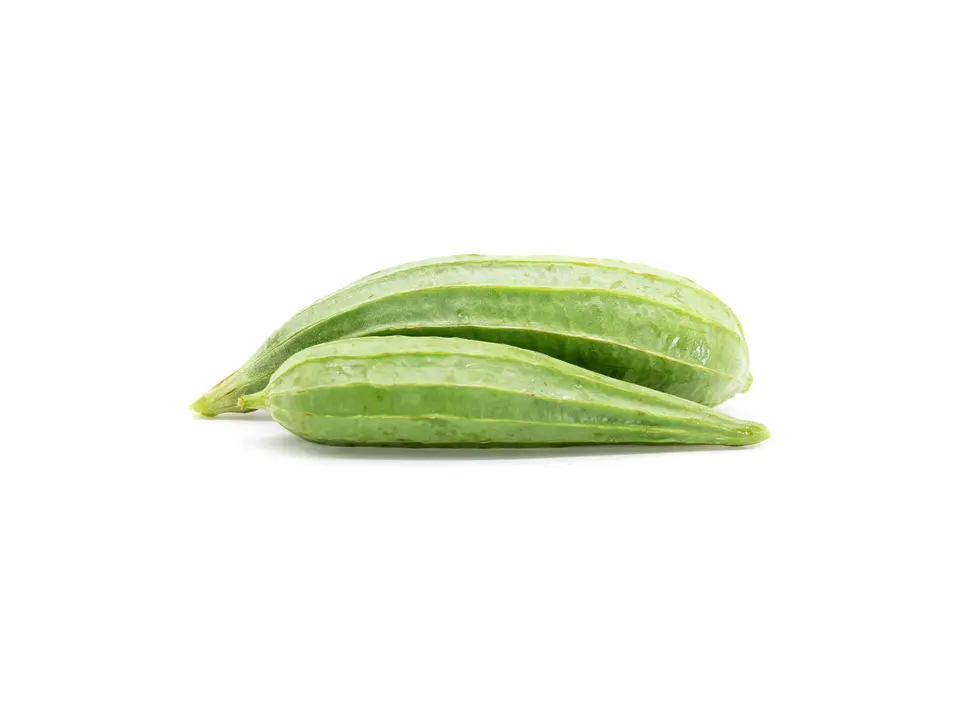 Coming soonVegetablesAngled gourdRidged green gourd that turns soft and sweet in soups and stir fries
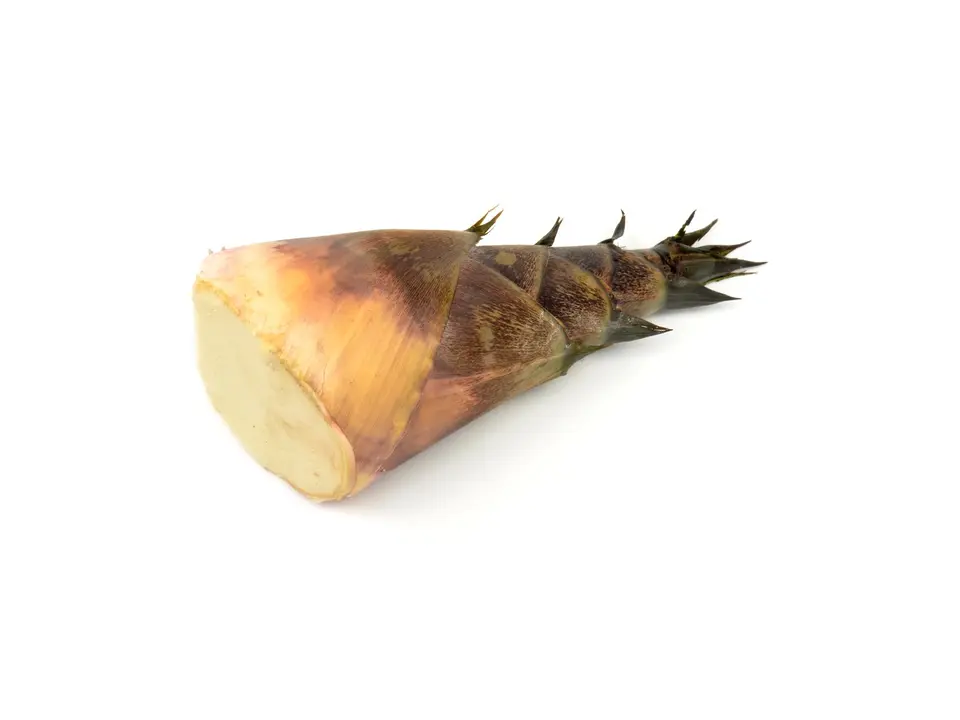 Coming soonVegetablesBamboo shootsCrunchy young shoots for curries, stir fries and northeastern salads
 Coming soonVegetablesBanana peppersLong, pale, mild chillies that are made for stuffing