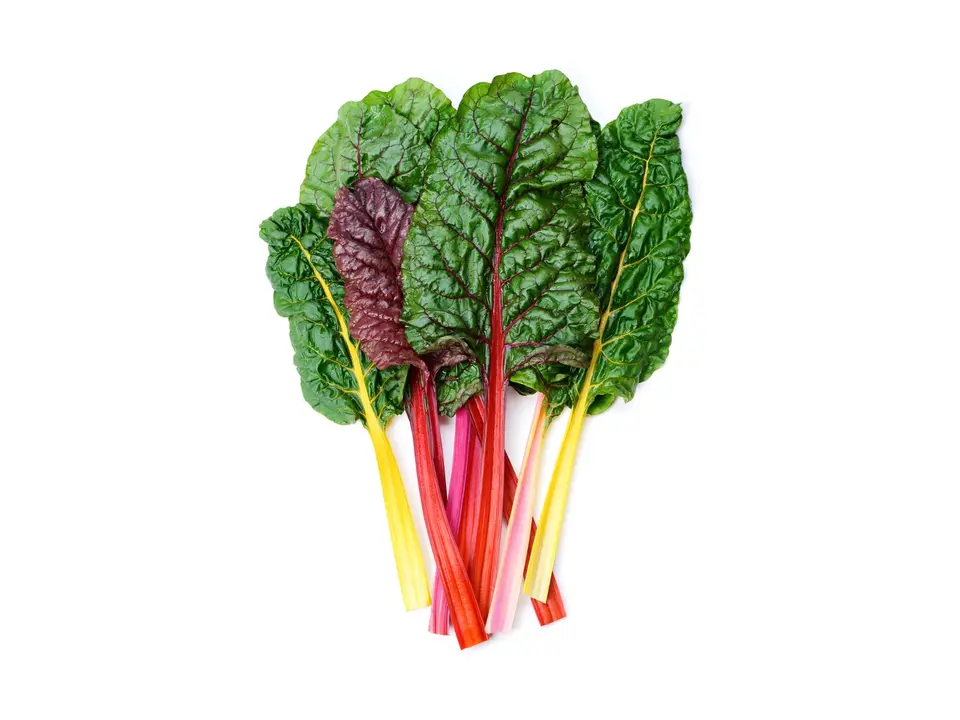
Swiss chard.
Glossy leaves on white, yellow or red stems, mild and tender
Coming soon
- Storage
- Keep the bunch unwashed in a container lined with paper towels in the fridge drawer, and wash it just before cooking.
- Keeps
- Best within 1 to 2 days
- Season
- All year, supply varies
- Origin
- Thailand
- Organic
- Certificate shown for each lot
Swiss chard is easy to spot: broad, glossy leaves on crisp stems that can be white, yellow or a deep red. The leaves taste mild and a little earthy, like a gentler spinach. The stems are the part people don't expect. They're juicy, they keep some bite, and they put a stripe of colour on the plate.
Ways to use it
- Treat stems and leaves as two vegetables. Slice the stems and give them a head start in the pan, then add the leaves once the stems soften.
- Saute in olive oil with garlic and finish with a squeeze of lemon.
- Fold chopped leaves into an omelette or a frittata with cheese.
- Stir into soup, lentil stew or a pasta sauce near the end of cooking.
- Use the big leaves whole as wraps for rice and a minced filling.
Storing it
Leave the leaves unwashed. Put the bunch in a container lined with paper towels in the fridge drawer and cook it within 1 to 2 days. Wash it just before cooking by swishing the leaves in clean water and rinsing under running water. A few small holes or marks on a leaf are common. They don't mean the bunch is past its best.
Where it comes from
Grown to certified organic standards. The certificate for each lot is shown when you trace your pack.
Every pack carries a lot code. Enter it on the Trace your pack page to see the farms in that lot, the harvest date and the certificate.
What's inside
In 100 g of the part you eat
- Energy
- 19 kcal
- Protein
- 1.8 g
- Fibre
- 1.6 g
- Fat
- 0.2 g
Rich in
- Vitamin K830 µg1383%
Good for: Helps blood clot normally and keeps bones normal.
- Vitamin A306 µg38%
Good for: Helps keep eyesight and skin normal.
- Vitamin C30 mg30%
Good for: Helps the immune system work normally and helps the body take up iron.
- Magnesium81 mg26%
Good for: Helps muscles work normally and eases tiredness.
- Vitamin E1.9 mg21%
Good for: Helps protect cells from oxidative damage.
- Copper0.18 mg20%
Good for: Helps the immune system and moves iron around the body.
The bar shows how much of a day's need 100 g gives.
Also has
- Manganese 0.37 mg
- Potassium 379 mg
- Vitamin B2 0.09 mg
- Vitamin B6 0.1 mg
- Iron 1.8 mg
- Phosphorus 46 mg
- Calcium 51 mg
The % is the share of what a person aged 6 or over needs each day (Thai RDIs, Ministry of Public Health notice No. 445, 2023). The "Good for" line is shown only when 100 g gives 15% or more. Typical values from USDA FoodData Central (Chard, swiss, raw). Each harvest varies a little.
Good to know.
All guides- Storing leafy greens and herbsLeafy greens last longest cold, humid and unwashed. A few herbs and vegetables are hurt by the fridge, and the sources give temperatures for each.
- Washing vegetables at homeWhat Thai FDA and the Department of Medical Sciences say about washing vegetables, and what washing can and can't remove.
- Why organic vegetables can look less uniformInsect marks and uneven sizes come down to how crops are grown and how they are graded. What the Thai organic standard says, and how sorting by looks works.
More vegetables.
See all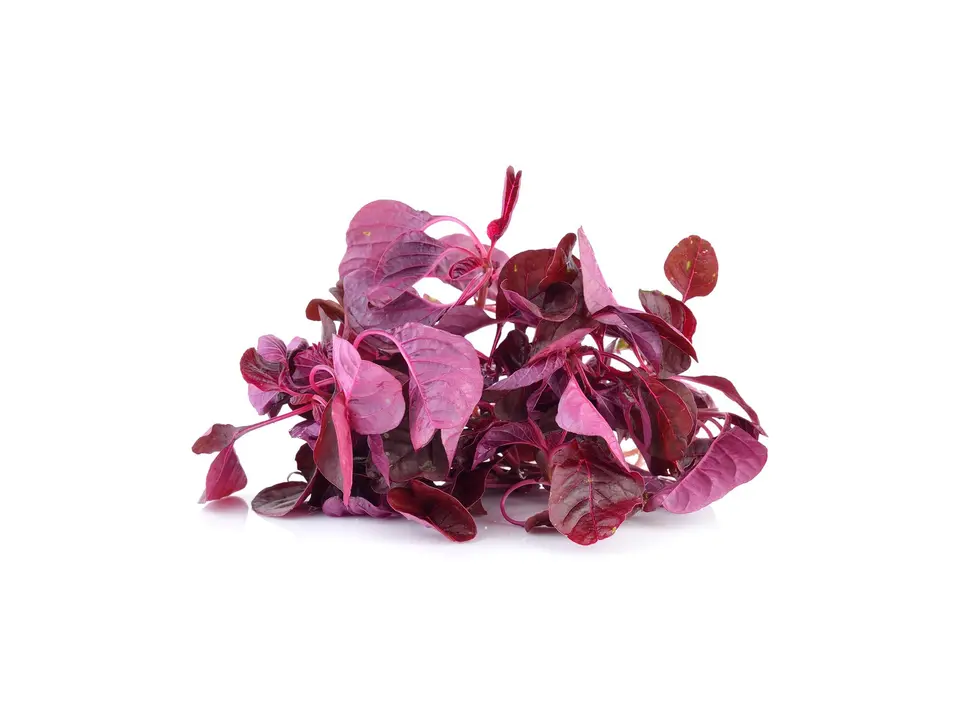 Coming soonVegetablesChinese spinach (amaranth)Soft leaves, deep red or plain green, for soups and stir fries
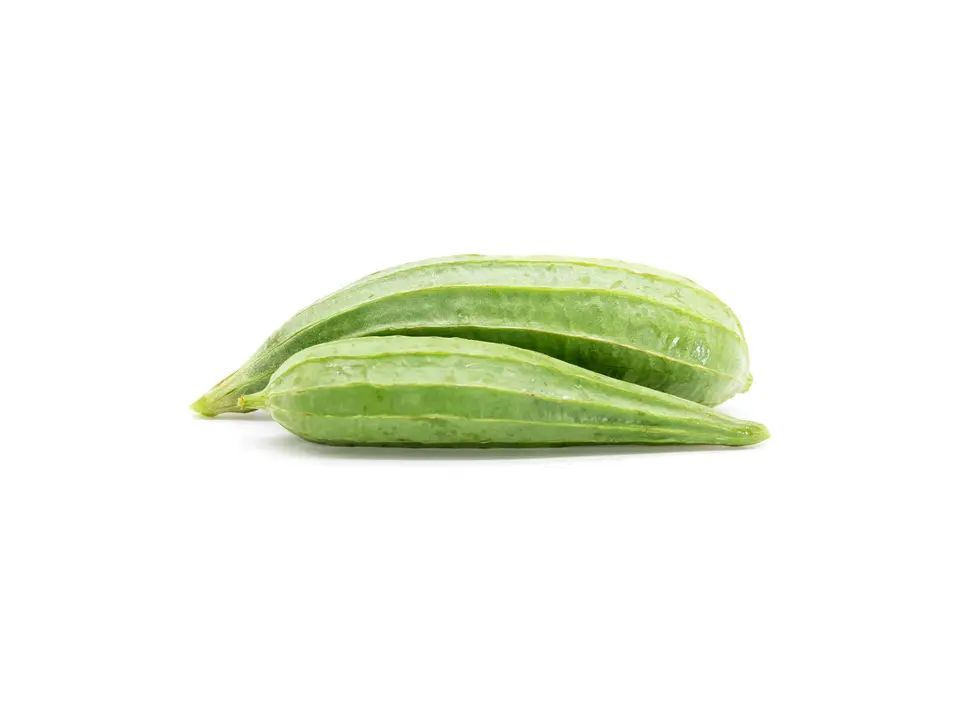 Coming soonVegetablesAngled gourdRidged green gourd that turns soft and sweet in soups and stir fries
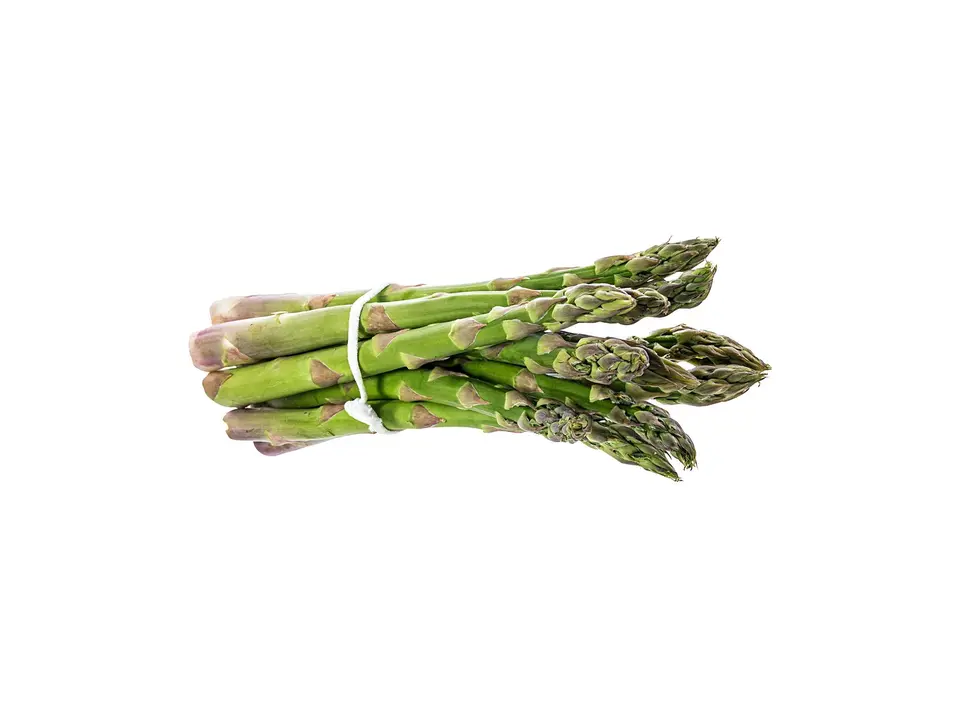 Coming soonVegetablesAsparagusTender green spears for a quick stir fry or the grill
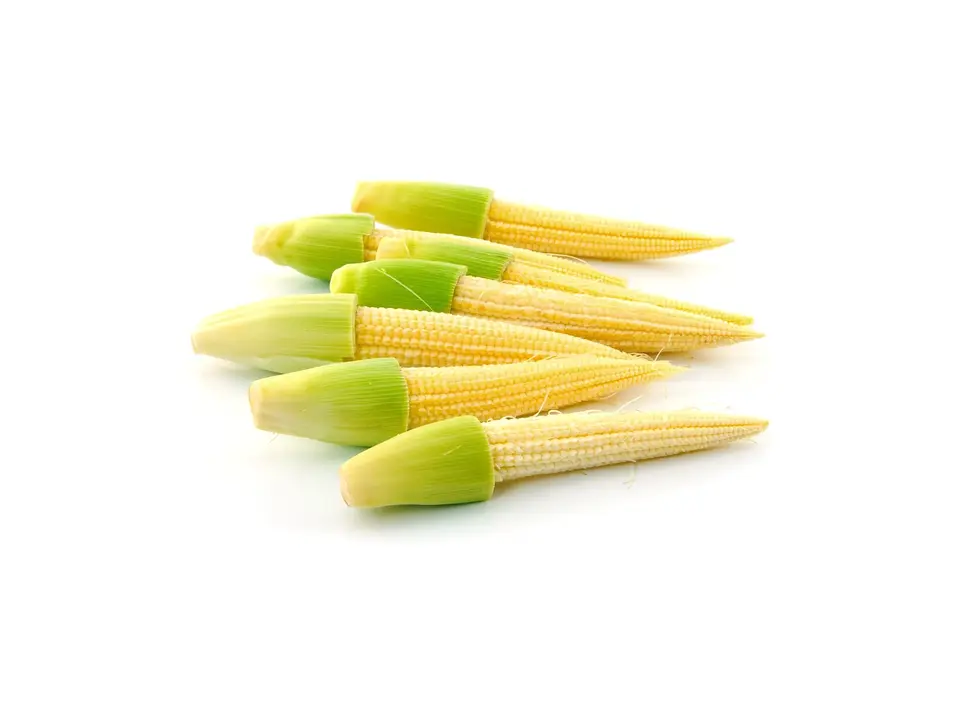 Coming soonVegetablesBaby cornLittle cobs that keep their snap in a hot wok