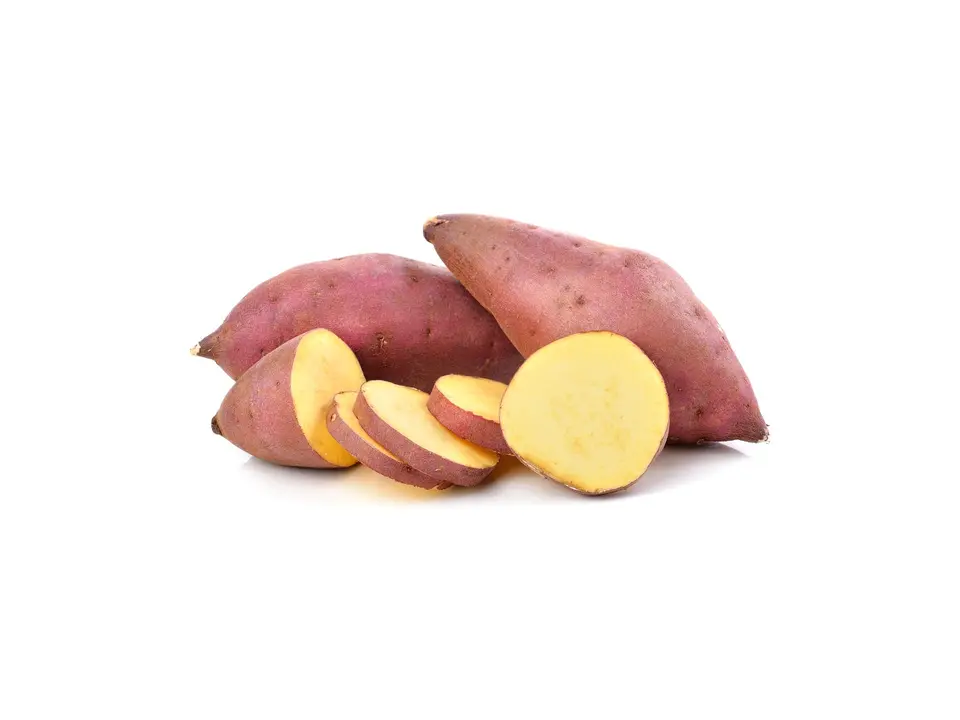
Japanese sweet potato.
Purple-red skin, pale gold flesh that roasts sweet and fluffy
Coming soon
- Storage
- Keep sweet potatoes out of the fridge in a cool, dry, airy place away from direct sun, and scrub them just before cooking.
- Keeps
- Keeps longer than most vegetables in a cool, dry place
- Season
- All year, supply varies
- Origin
- Thailand
- Organic
- Certificate shown for each lot
The Japanese type of sweet potato has a dark purple-red skin and creamy, pale yellow flesh. Raw it's firm and starchy. Roast it slowly and it turns sweet, dense and a little fluffy, with sticky caramel at the ends where the juice leaks out. It needs nothing added, which is why it's become a common snack, eaten warm straight from the oven or steamer.
Ways to use it
- Roast whole, in the skin, at about 200 degrees Celsius until a knife slides in with no resistance. Thicker roots take close to an hour.
- Steam chunks and eat them plain, or mash them with a little butter or coconut milk.
- Simmer cubes in ginger syrup for man tom khing, a simple warm dessert.
- Cook pieces in sweetened coconut milk with a pinch of salt.
- Cut into wedges, toss with oil and bake until the edges brown.
The skin is thin and fine to eat once cooked, so most people leave it on.
Storing it
Sweet potatoes don't like the fridge. The cold spoils their texture, and they keep better somewhere cool, dry and airy, out of direct sun. Kept that way they last longer than most fresh vegetables, but check them now and then and use any that start to soften. Scrub them under running water just before cooking.
Where it comes from
Grown to certified organic standards. The certificate for each lot is shown when you trace your pack.
Every pack will carry a lot code. Enter it on the Trace your pack page and you will see the farms in that lot, the harvest date and the certificate.
What's inside
In 100 g of the part you eat
- Energy
- 86 kcal
- Protein
- 1.6 g
- Fibre
- 3 g
- Fat
- 0.05 g
Rich in
- Vitamin A709 µg89%
Good for: Helps keep eyesight and skin normal.
- Copper0.15 mg17%
Good for: Helps the immune system and moves iron around the body.
- Vitamin B60.21 mg16%
Good for: Helps the immune system and eases tiredness.
The bar shows how much of a day's need 100 g gives.
Also has
- Potassium 337 mg
- Manganese 0.26 mg
- Magnesium 25 mg
- Vitamin B1 0.08 mg
- Phosphorus 47 mg
- Vitamin B2 0.06 mg
The % is the share of what a person aged 6 or over needs each day (Thai RDIs, Ministry of Public Health notice No. 445, 2023). The "Good for" line is shown only when 100 g gives 15% or more. Typical values from USDA FoodData Central (Sweet potato, raw, unprepared (Includes foods for USDA's Food Distribution Program)). Each harvest varies a little.
Good to know.
All guides- Vegetables through the Thai yearThailand has three seasons, and many vegetables grow most easily in the cool months. The rains are harder, especially for tender salad greens.
- Planning a week of fresh ingredientsLook at what is already at home, use the soft produce first, save the food that keeps for later in the week, and leave a meal free for leftovers.
- Washing vegetables at homeWhat Thai FDA and the Department of Medical Sciences say about washing vegetables, and what washing can and can't remove.
More vegetables.
See all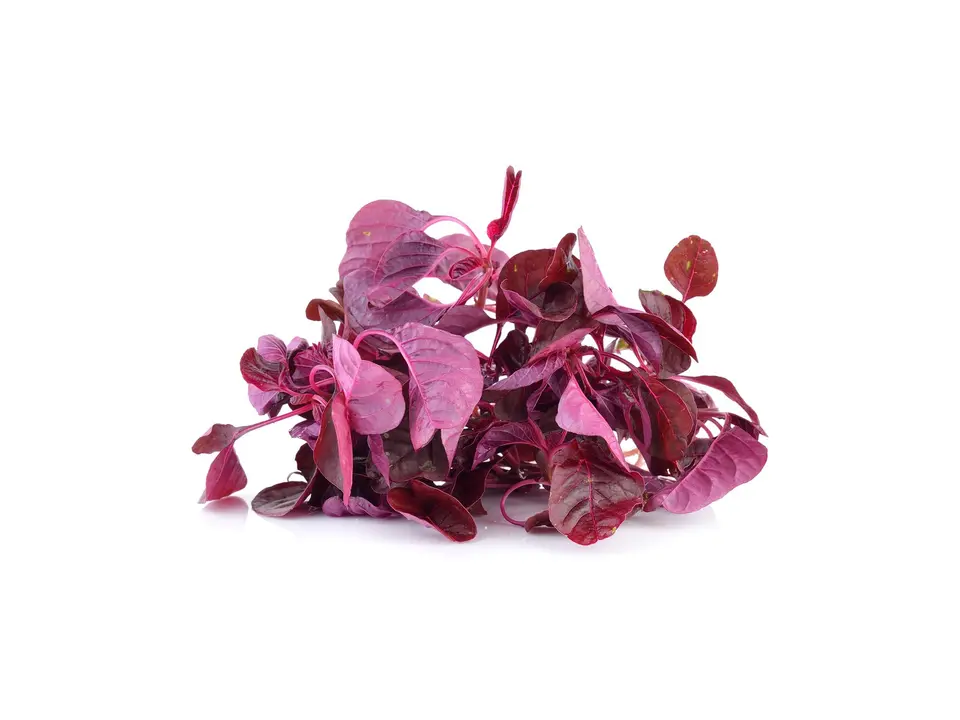 Coming soonVegetablesChinese spinach (amaranth)Soft green leaves, sometimes splashed with red, for soups and stir fries
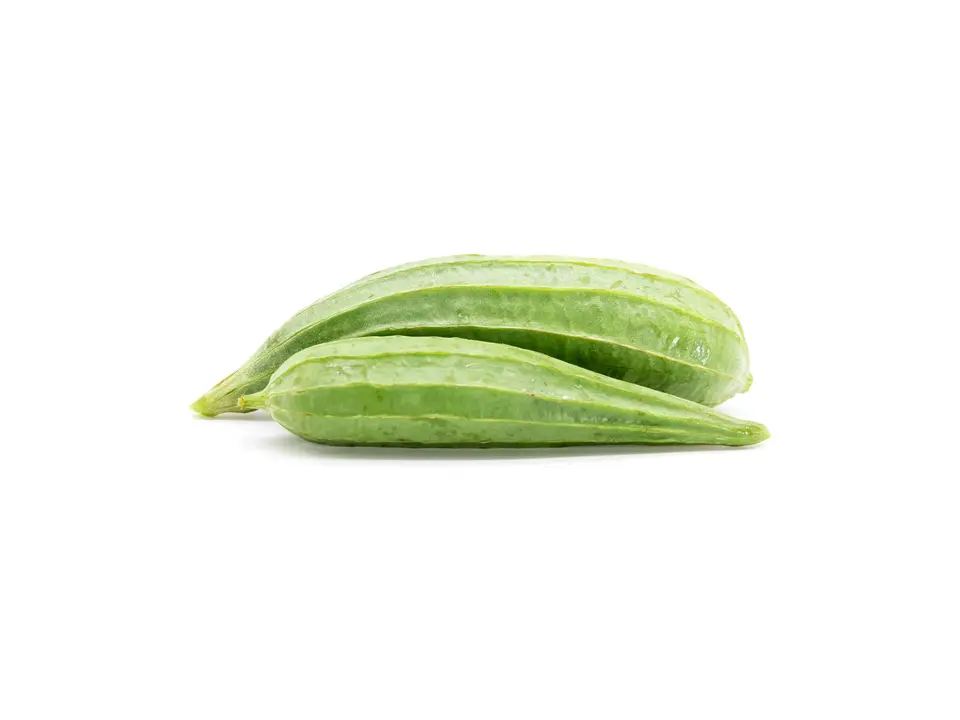 Coming soonVegetablesAngled gourdRidged green gourd that turns soft and sweet in soups and stir fries
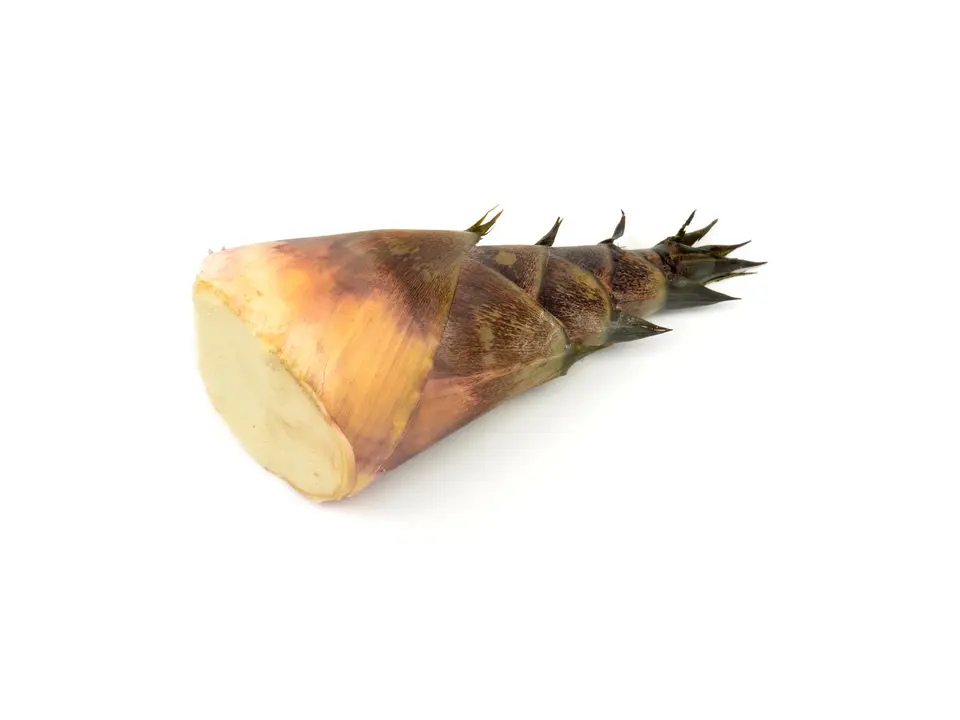 Coming soonVegetablesBamboo shootsCrunchy young shoots for curries, stir fries and northeastern salads
 Coming soonVegetablesBanana peppersLong, pale, mild chillies that are made for stuffing