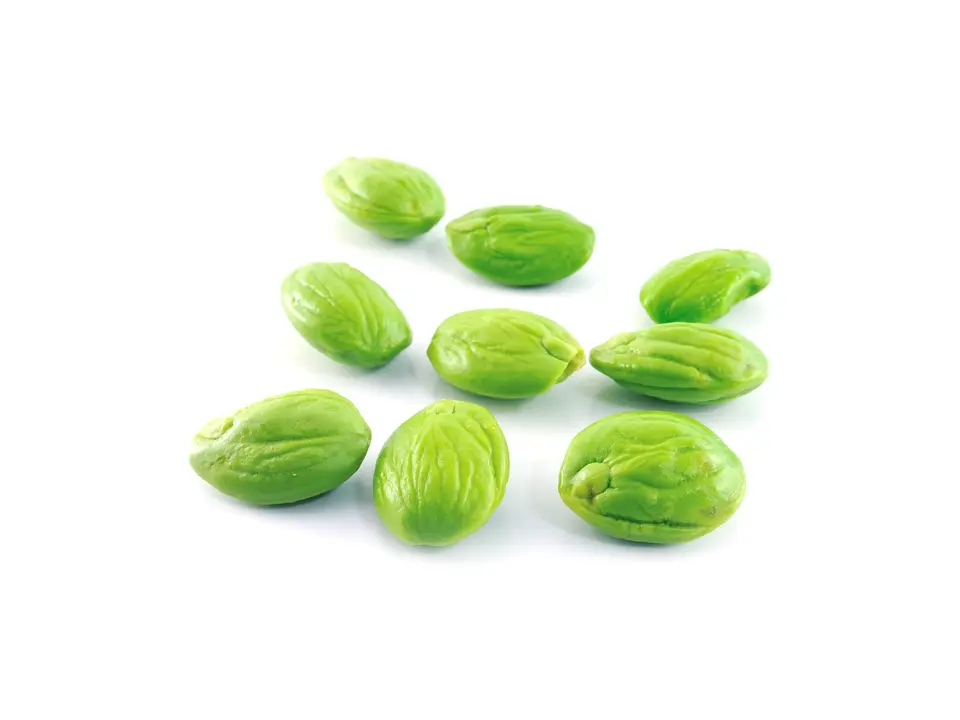
Sataw (stink bean).
Bright green beans in long twisted pods, a favourite of the south
Coming soon
- Storage
- Keep the beans in their pods in a bag in the fridge drawer, and pod and rinse them just before cooking.
- Keeps
- Best within a few days
- Season
- All year, supply varies
- Origin
- Thailand
- Organic
- Certificate shown for each lot
Sataw comes in long, flat pods that twist as they hang from the tree, each one bumpy with a row of beans inside. Split a pod and the beans are a clear, bright green, about the size of a fingertip. They're crunchy, a little bitter and nutty, with a strong smell that gave the plant its English name, stink bean. People in southern Thailand cook with it all the time. Elsewhere it divides the table: some reach for it first, others pass the plate along.
Ways to use it
- Stir fry the shelled beans with shrimp paste, chilli and prawns. That's the dish most people know, pad sataw.
- Eat a few raw beside a bowl of nam prik, with cucumber and other fresh vegetables.
- Grill the whole pods over charcoal until the skin chars, then pop the beans out.
- Add shelled beans to a southern curry such as kaeng tai pla near the end of cooking.
To shell them, bend the pod at each bean and squeeze it out, or slit the pod along one edge with a small knife. Each bean has a thin skin that some cooks peel off before stir frying.
Storing it
Leave the beans in their pods until you need them, since shelled beans dry out and darken faster. Put the pods in a plastic bag in the fridge drawer and use them within a few days. Rinse the beans under running water once they're out of the pod.
Where it comes from
Grown to certified organic standards. The certificate for each lot is shown when you trace your pack.
Every pack will carry a lot code. Enter it on the Trace your pack page and you will see the farms in that lot, the harvest date and the certificate.
What's inside
In 100 g of the part you eat
- Energy
- 116 kcal
- Protein
- 8 g
- Fibre
- 2.7 g
- Fat
- 4 g
Rich in
- Magnesium111 mg36%
Good for: Helps muscles work normally and eases tiredness.
- Vitamin C24 mg24%
Good for: Helps the immune system work normally and helps the body take up iron.
- Protein8 g16%
Good for: Helps build and keep muscle.
The bar shows how much of a day's need 100 g gives.
Also has
- Zinc 1.4 mg
- Phosphorus 83 mg
- Potassium 428 mg
- Vitamin B1 0.11 mg
- Calcium 94 mg
- Vitamin B3 1 mg
- Iron 1 mg
The % is the share of what a person aged 6 or over needs each day (Thai RDIs, Ministry of Public Health notice No. 445, 2023). The "Good for" line is shown only when 100 g gives 15% or more. Typical values from Thai Food Composition Database, Institute of Nutrition, Mahidol University (Stink bean, seed, raw). Each harvest varies a little.
Good to know.
All guides- Storing leafy greens and herbsLeafy greens last longest cold, humid and unwashed. A few herbs and vegetables are hurt by the fridge, and the sources give temperatures for each.
- Washing vegetables at homeWhat Thai FDA and the Department of Medical Sciences say about washing vegetables, and what washing can and can't remove.
- Vegetables through the Thai yearThailand has three seasons, and many vegetables grow most easily in the cool months. The rains are harder, especially for tender salad greens.
More vegetables.
See all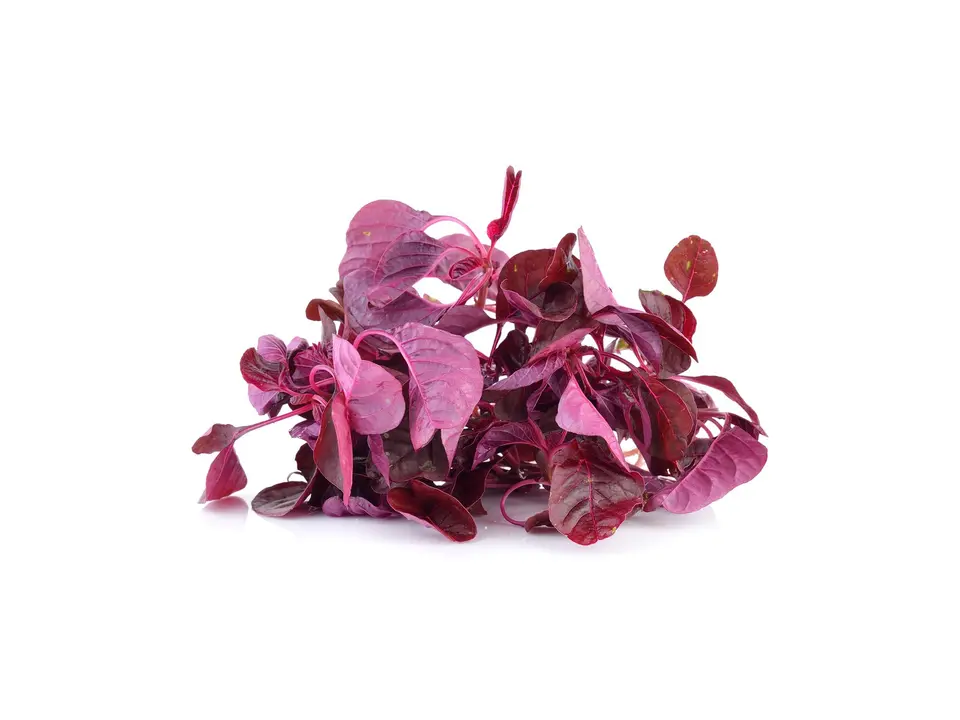 Coming soonVegetablesChinese spinach (amaranth)Soft green leaves, sometimes splashed with red, for soups and stir fries
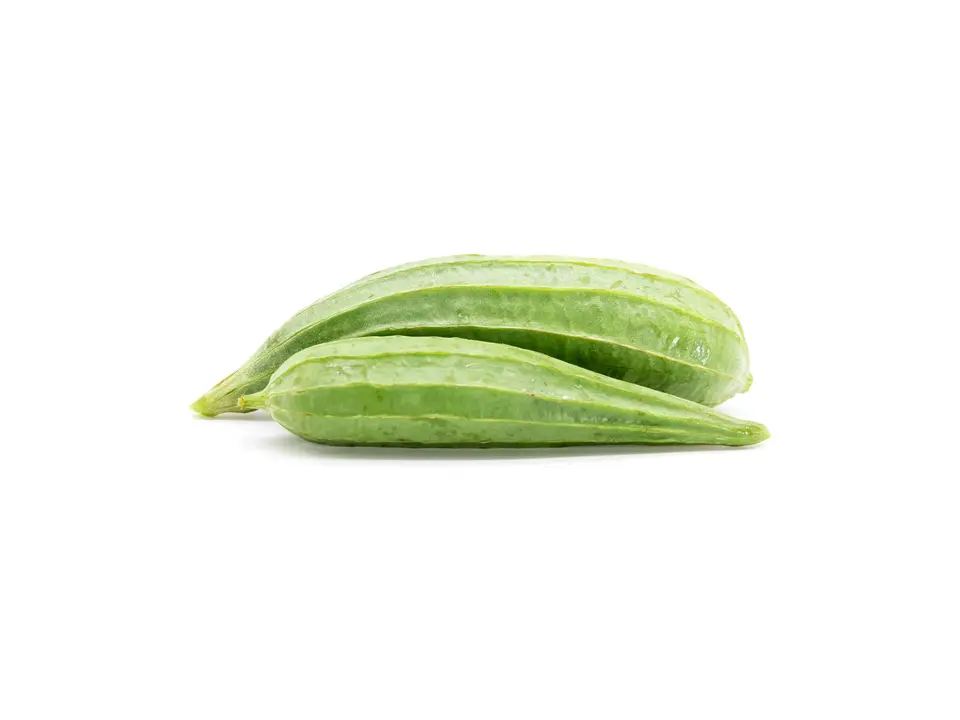 Coming soonVegetablesAngled gourdRidged green gourd that turns soft and sweet in soups and stir fries
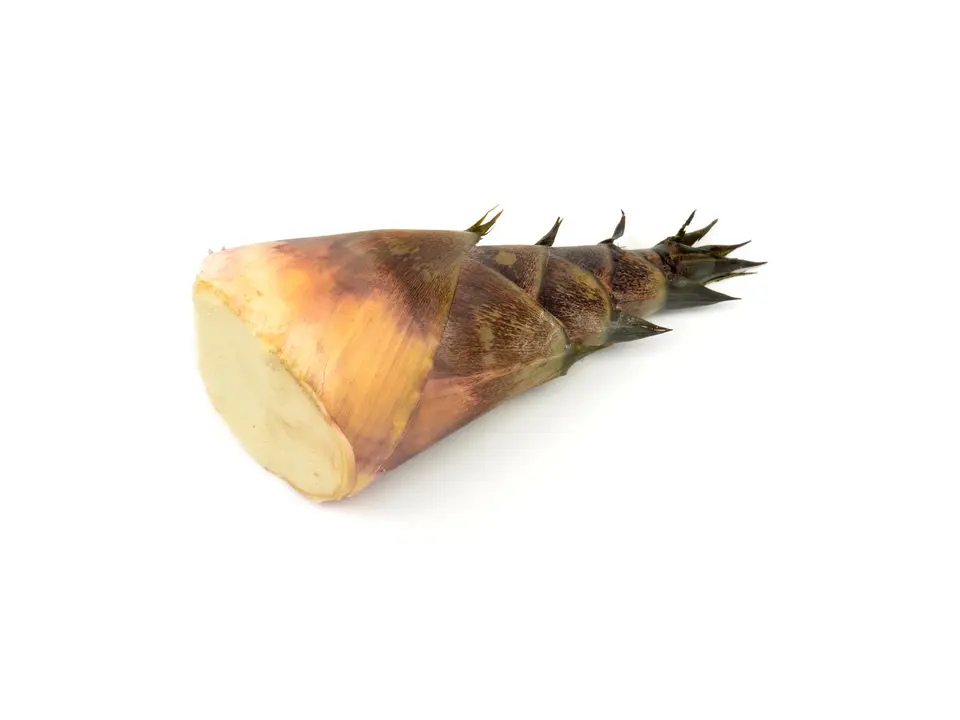 Coming soonVegetablesBamboo shootsCrunchy young shoots for curries, stir fries and northeastern salads
 Coming soonVegetablesBanana peppersLong, pale, mild chillies that are made for stuffing