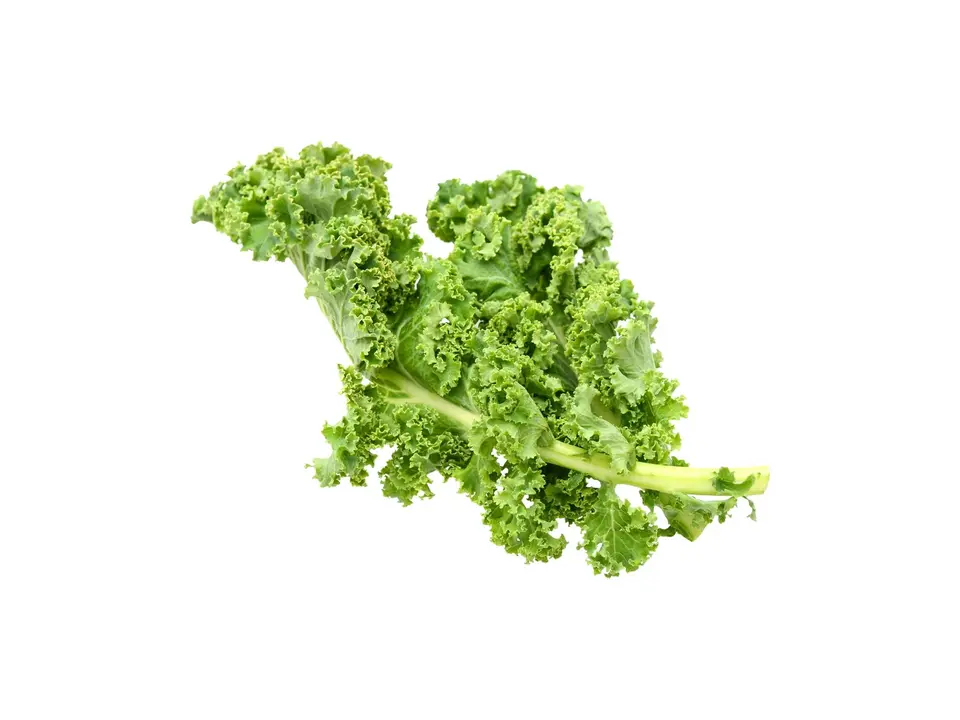
Kale.
Dark, frilly leaves that hold up to heat and dressing
Coming soon
- Storage
- Keep the bunch unwashed in a container lined with paper towels in the fridge drawer, and wash it just before cooking.
- Keeps
- Best within 1 to 2 days
- Season
- All year, supply varies
- Origin
- Thailand
- Organic
- Certificate shown for each lot
Kale is the tough one among the leafy greens. The leaves are dark and sturdy, often curled at the edges, and the taste is deep and a little bitter. Cook it and the bitterness softens. You can eat it raw too, as long as you slice it thin first, and it won't go limp under a dressing the way lettuce does.
Ways to use it
- For a raw salad, strip the leaves off the thick stems, slice them thin and rub them with lemon juice, oil and salt for a minute or two, until they darken and soften a little.
- Fry it with garlic and a pinch of chilli for a quick side dish.
- Stir a handful into soup or stew a few minutes before it comes off the heat.
- Spread oiled leaves on a tray in a hot oven and take them out once the edges crisp. Watch them, they burn fast.
- Blend it into a green smoothie with banana and ginger.
Storing it
Don't wash kale before it goes in the fridge. Put the bunch in a container lined with paper towels, keep it in the vegetable drawer and use it within 1 to 2 days. When you're ready to cook, swish the leaves in a bowl of clean water, then rinse them under running water. A few small marks, or a leaf that isn't perfectly even, doesn't mean the bunch is past its best.
Where it comes from
Grown to certified organic standards. The certificate for each lot is shown when you trace your pack.
Every pack will carry a lot code. Enter it on the Trace your pack page and you will see the farms in that lot, the harvest date and the certificate.
What's inside
In 100 g of the part you eat
- Energy
- 35 kcal
- Protein
- 2.9 g
- Fibre
- 4.1 g
- Fat
- 1.5 g
Rich in
- Vitamin K390 µg649%
Good for: Helps blood clot normally and keeps bones normal.
- Vitamin C93.4 mg93%
Good for: Helps the immune system work normally and helps the body take up iron.
- Manganese0.92 mg31%
Good for: Helps keep bones normal and protects cells.
- Vitamin A241 µg30%
Good for: Helps keep eyesight and skin normal.
- Vitamin B20.35 mg29%
Good for: Helps turn food into energy and eases tiredness.
- Calcium254 mg25%
Good for: Needed for normal bones and teeth.
The bar shows how much of a day's need 100 g gives.
Also has
- Folate 62 µg
- Vitamin B6 0.15 mg
- Magnesium 33 mg
- Potassium 348 mg
- Vitamin B1 0.11 mg
- Vitamin B3 1.2 mg
- Phosphorus 55 mg
- Vitamin E 0.66 mg
- Iron 1.6 mg
- Copper 0.05 mg
The % is the share of what a person aged 6 or over needs each day (Thai RDIs, Ministry of Public Health notice No. 445, 2023). The "Good for" line is shown only when 100 g gives 15% or more. Typical values from USDA FoodData Central (Kale, raw). Each harvest varies a little.
Good to know.
All guides- Storing leafy greens and herbsLeafy greens last longest cold, humid and unwashed. A few herbs and vegetables are hurt by the fridge, and the sources give temperatures for each.
- Washing vegetables at homeWhat Thai FDA and the Department of Medical Sciences say about washing vegetables, and what washing can and can't remove.
- Why organic vegetables can look less uniformInsect marks and uneven sizes come down to how crops are grown and how they are graded. What the Thai organic standard says, and how sorting by looks works.
More vegetables.
See all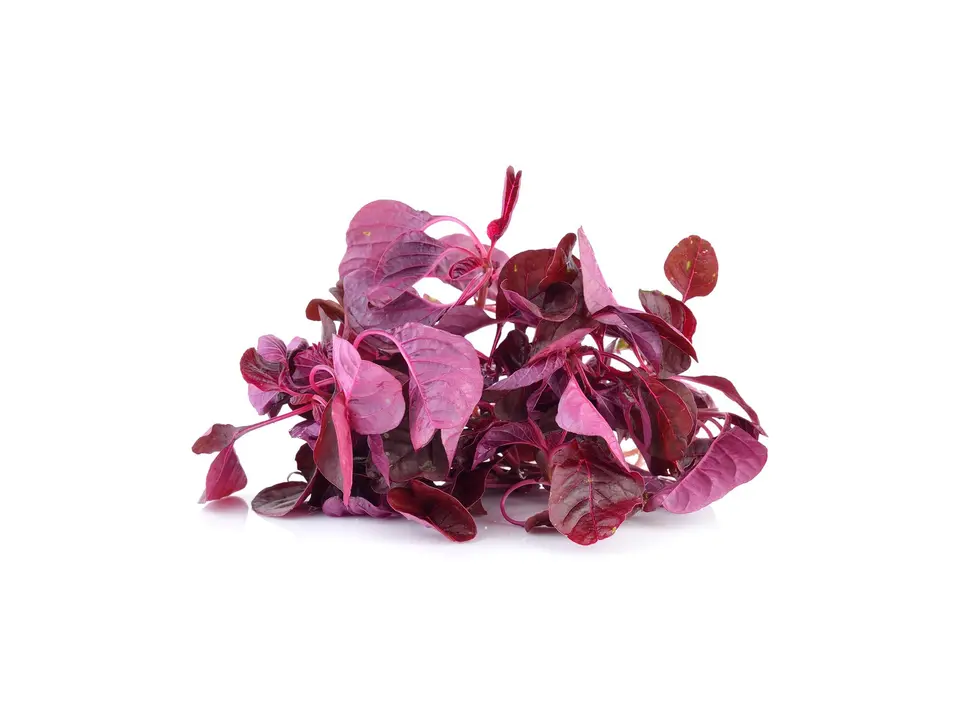 Coming soonVegetablesChinese spinach (amaranth)Soft leaves, deep red or plain green, for soups and stir fries
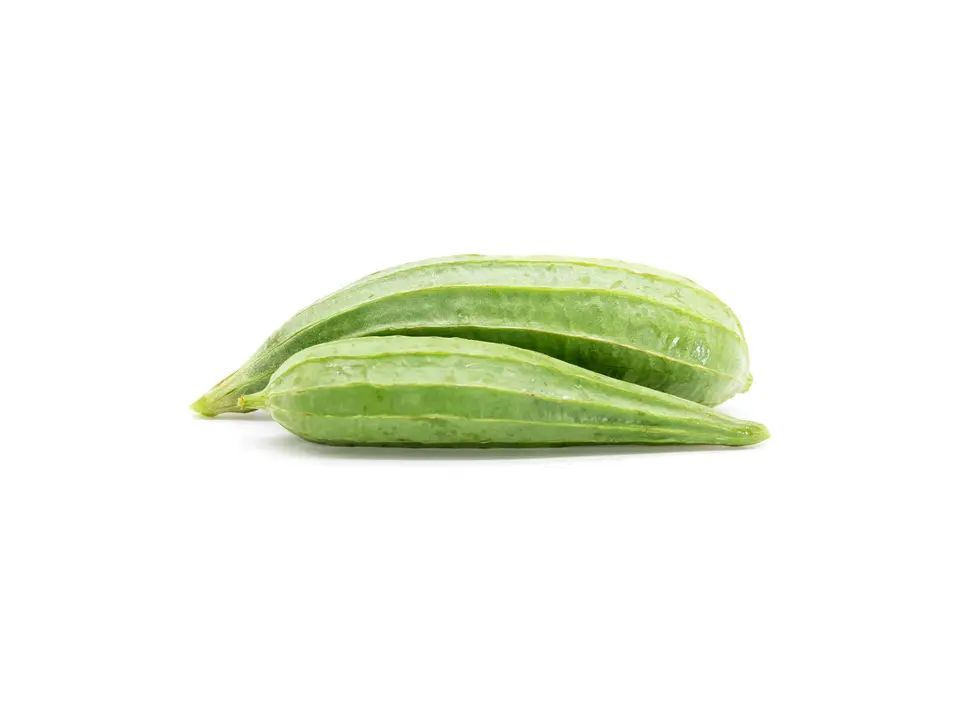 Coming soonVegetablesAngled gourdRidged green gourd that turns soft and sweet in soups and stir fries
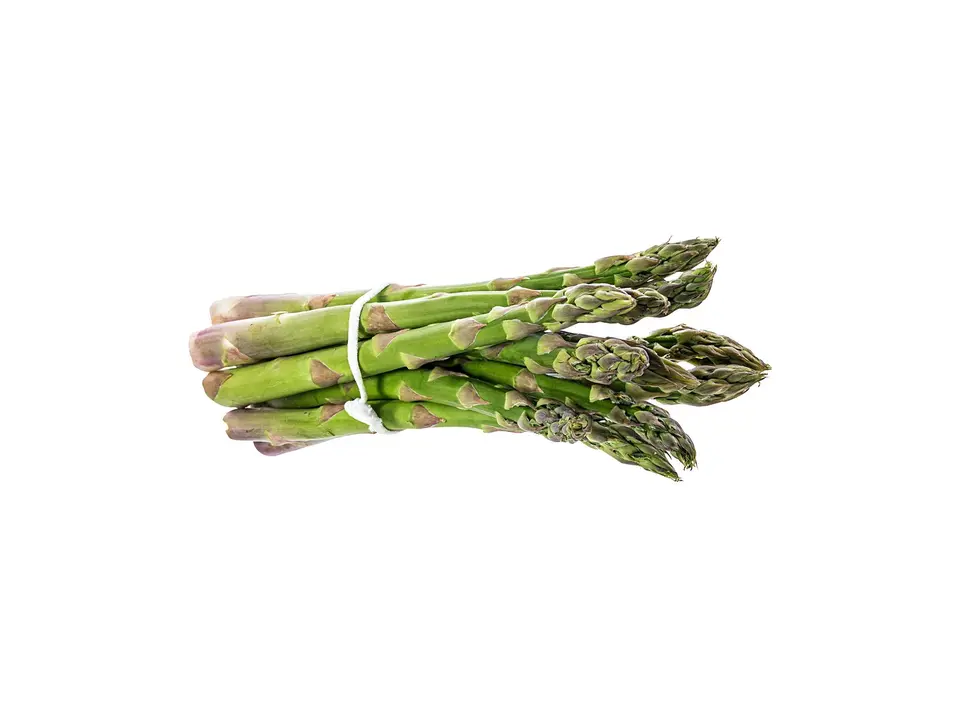 Coming soonVegetablesAsparagusTender green spears for a quick stir fry or the grill
 Coming soonVegetablesBaby cornLittle cobs that keep their snap in a hot wok