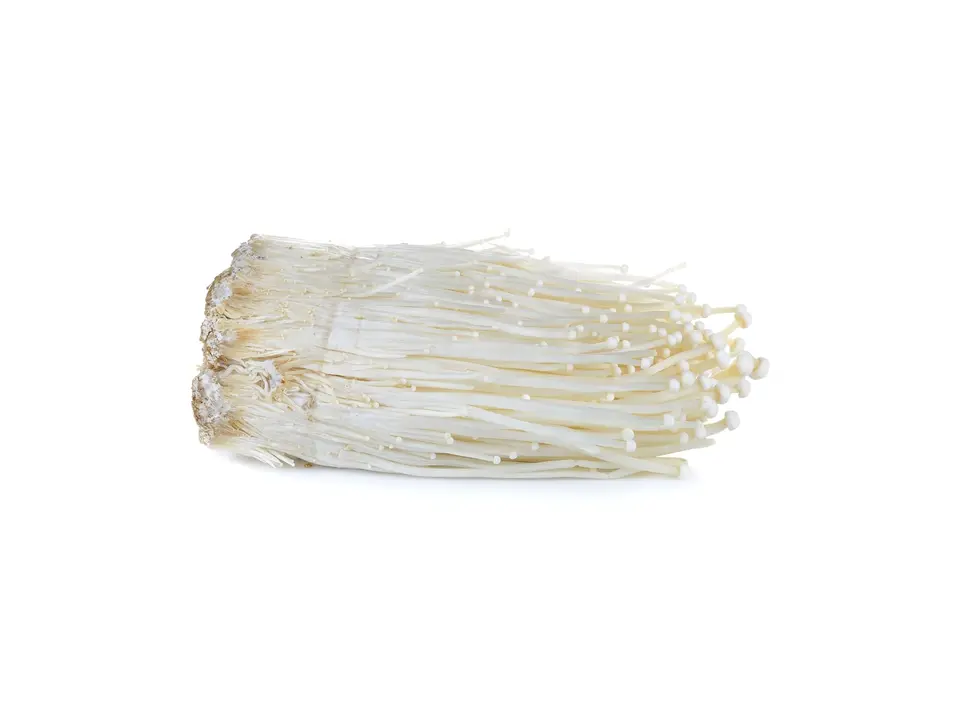
Enoki mushroom.
Long, thin white stems with tiny caps, for hot pot and soup
Coming soon
- Storage
- Keep enoki in the fridge in its pack or a paper-lined box, and trim and rinse it only just before cooking.
- Keeps
- Best within a few days
- Season
- All year, supply varies
- Origin
- Thailand
- Organic
- Certificate shown for each lot
Enoki grows as a tight bunch of long, thin white stems, each topped with a cap no bigger than a pea. In Thailand it goes by the name hed khem thong, the golden needle mushroom. The taste is mild and faintly sweet. What people like most is the texture: the stems stay crisp and a little springy even after cooking.
It's the mushroom almost everyone adds to suki and shabu, and it turns up wrapped and grilled at night markets too. Look for stems that are white and dry, with no slimy patches or brown ends at the tips.
Ways to use it
- Cut off the spongy base, pull the stems into small bundles and drop them into hot pot or suki for the last minute or two.
- Stir fry with garlic, oyster sauce and a few spring onions until just soft.
- Add to clear soup or tom yum near the end, so the stems keep their bite.
- Wrap small bundles in thin slices of pork, grill or pan fry, and brush with a little sauce.
- Fry in a light batter until crisp.
Enoki is meant to be eaten cooked, so heat it right through, even in a quick soup.
Storing it
Keep it in the fridge, in its own pack or in a box lined with paper so it doesn't sit in moisture. Leave the base on until you cook. Then cut it off, rinse the stems quickly and shake them dry. Use within a few days, since the stems soften and darken as they age.
Where it comes from
Grown to certified organic standards. The certificate for each lot is shown when you trace your pack.
Every pack will carry a lot code. Enter it on the Trace your pack page and you will see the farms in that lot, the harvest date and the certificate.
What's inside
In 100 g of the part you eat
- Energy
- 26 kcal
- Protein
- 2.2 g
- Fibre
- 2.2 g
- Fat
- 0.13 g
No single vitamin or mineral reaches 15% of a day's need in 100 g.
The % is the share of what a person aged 6 or over needs each day (Thai RDIs, Ministry of Public Health notice No. 445, 2023). The "Good for" line is shown only when 100 g gives 15% or more. Typical values from Thai Food Composition Database, Institute of Nutrition, Mahidol University (Mushroom, golden neddle, raw). Each harvest varies a little.
Good to know.
All guides- Washing vegetables at homeWhat Thai FDA and the Department of Medical Sciences say about washing vegetables, and what washing can and can't remove.
- Organising the fridge so food stays safeKeep the fridge below 5 degrees C, put raw food in containers on the bottom shelf, and leave room for air to move. Advice from WHO and a US extension service.
- Wasting less food at homeHouseholds throw away most of the world's wasted food. Planning, using older food first and finding a use for leftovers are the habits FAO and UNEP point to.
More mushrooms.
See all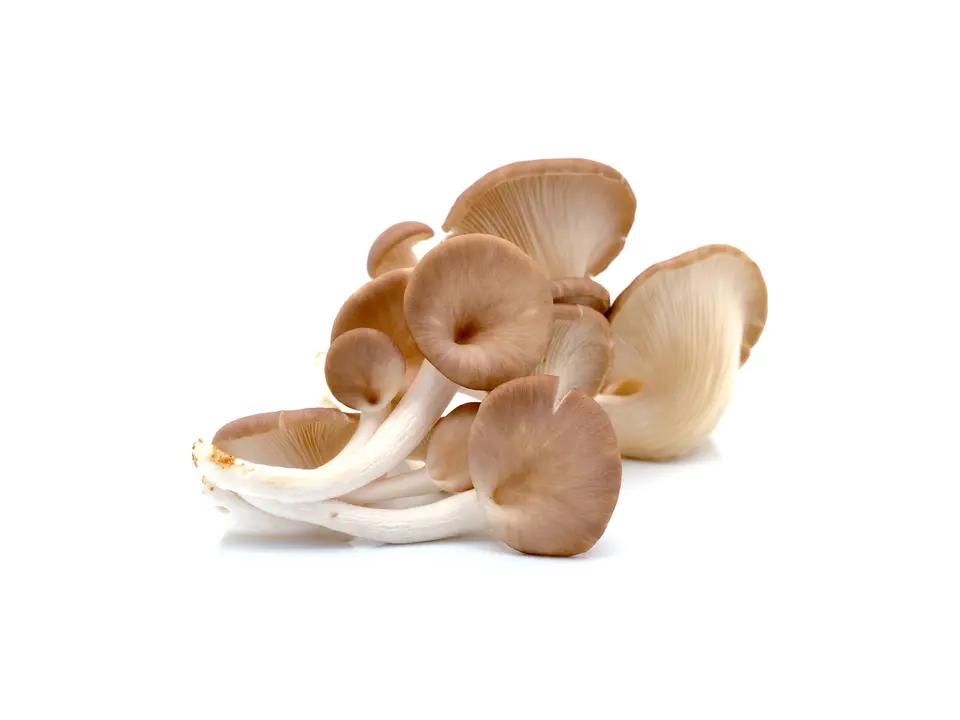 Coming soonMushroomsIndian oyster mushroomPale, tender fans for tom yum, stir fries and mushroom larb
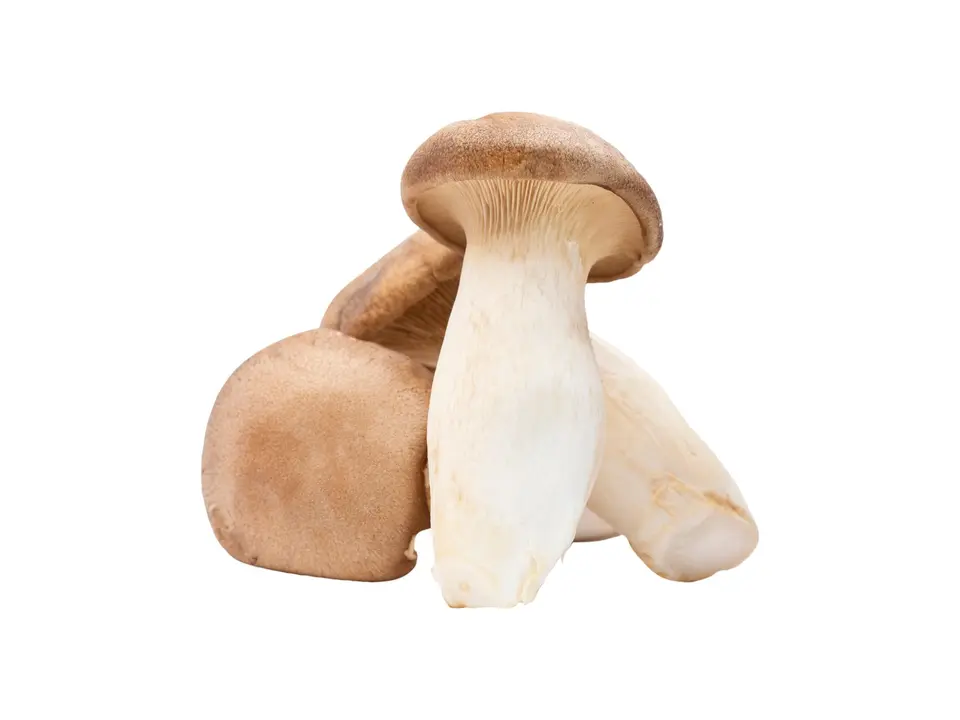 Coming soonMushroomsKing oyster mushroomThick, meaty stems that slice into rounds and brown well in the pan
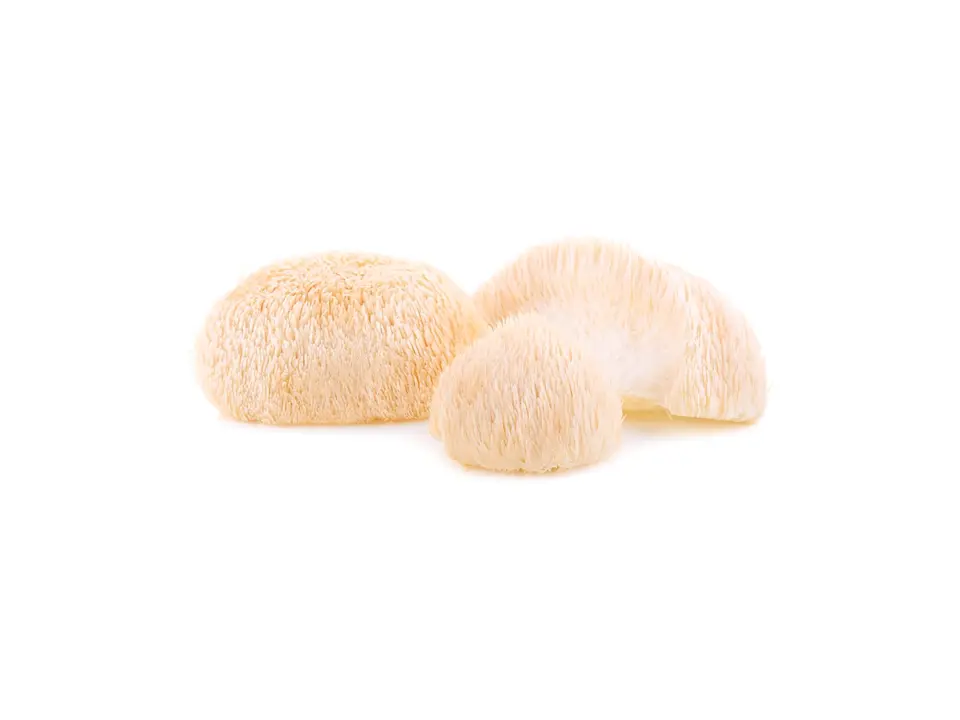 Coming soonMushroomsLion's mane mushroomA white, shaggy mushroom that cooks up tender and lightly sweet
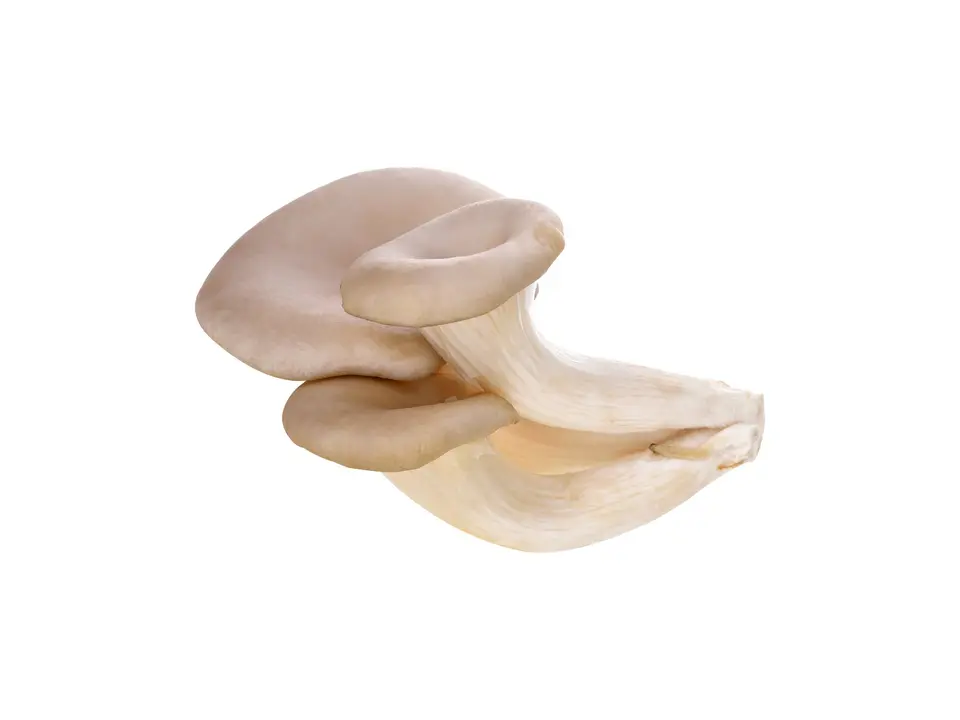 Coming soonMushroomsGrey oyster mushroomSoft grey fans that cook in minutes and soak up any sauce