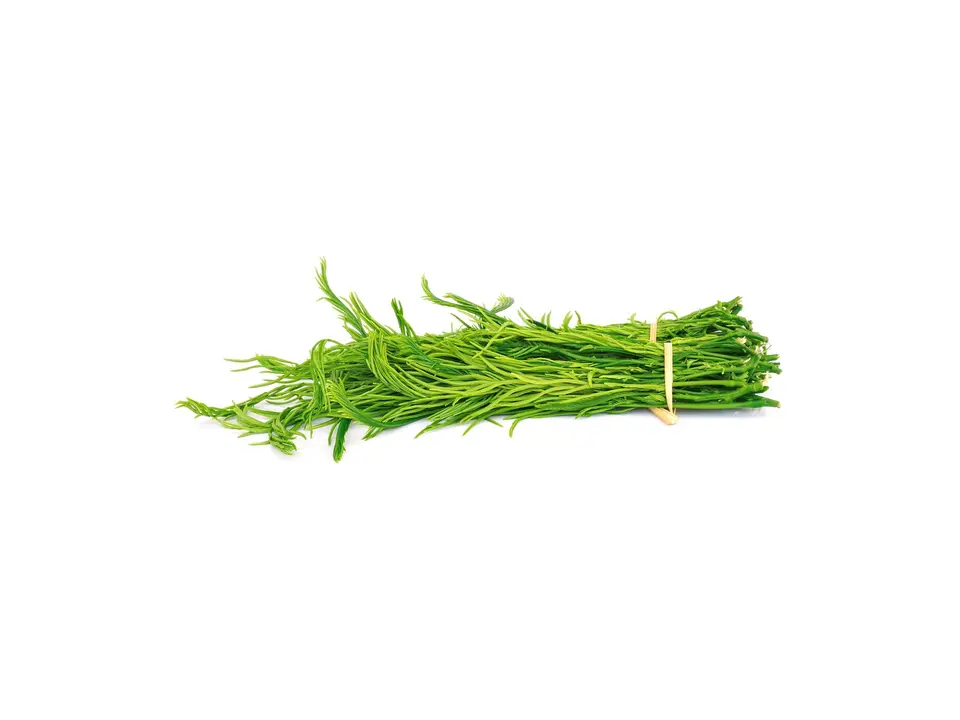
Cha-om.
Feathery young shoots with a strong smell that softens in the pan
Coming soon
- Storage
- Keep the shoots unwashed in a container lined with paper towels in the fridge drawer, and wash them just before cooking.
- Keeps
- Best within 1 to 2 days
- Season
- All year, supply varies
- Origin
- Thailand
- Organic
- Certificate shown for each lot
Cha-om is the young shoot tip of a thorny climbing shrub, and it's sold in Thai markets as a loose bundle of soft, feathery leaves. Raw, it has a strong smell that some people find sulphurous and others love. Once it hits the pan the smell mellows into something savoury and green. Most Thai households know it from one dish above all, the thick cha-om omelette, cut into squares and dipped in shrimp paste chilli dip.
Ways to use it
- Pick the soft leaves off the stems, beat them into eggs and fry as a thick omelette.
- Put the cha-om omelette squares into kaeng som, the sour curry, so they soak up the broth.
- Blanch the young shoots and serve them with nam prik kapi.
- Stir fry it with egg, or add it to a jungle curry near the end.
Storing it
Cha-om wilts quickly. Keep the shoots unwashed in a container lined with paper towels in the fridge drawer and use them within 1 to 2 days. The stems often carry small thorns, so strip the leaves carefully, then wash them under running water just before cooking.
Where it comes from
Grown to certified organic standards. The certificate for each lot is shown when you trace your pack.
Every pack will carry a lot code. Enter it on the Trace your pack page and you will see the farms in that lot, the harvest date and the certificate.
What's inside
In 100 g of the part you eat
- Energy
- 59 kcal
- Protein
- 10.5 g
- Fibre
- 4.2 g
- Fat
- 0.52 g
Rich in
- Vitamin C48 mg48%
Good for: Helps the immune system work normally and helps the body take up iron.
- Vitamin B20.48 mg40%
Good for: Helps turn food into energy and eases tiredness.
- Vitamin B10.37 mg31%
Good for: Helps turn food into energy.
- Selenium15.9 µg27%
Good for: Helps the immune system and keeps hair and nails normal.
- Phosphorus166 mg24%
Good for: Needed for normal bones and teeth.
- Protein10.5 g21%
Good for: Helps build and keep muscle.
The bar shows how much of a day's need 100 g gives.
Also has
- Vitamin A 121 µg
- Vitamin B3 1.9 mg
- Magnesium 39 mg
- Potassium 438 mg
- Iron 2.6 mg
- Copper 0.07 mg
- Zinc 0.59 mg
The % is the share of what a person aged 6 or over needs each day (Thai RDIs, Ministry of Public Health notice No. 445, 2023). The "Good for" line is shown only when 100 g gives 15% or more. Typical values from Thai Food Composition Database, Institute of Nutrition, Mahidol University (Acacia pennata (Climbing wattle), raw). Each harvest varies a little.
Good to know.
All guides- Storing leafy greens and herbsLeafy greens last longest cold, humid and unwashed. A few herbs and vegetables are hurt by the fridge, and the sources give temperatures for each.
- Washing vegetables at homeWhat Thai FDA and the Department of Medical Sciences say about washing vegetables, and what washing can and can't remove.
- Vegetables through the Thai yearThailand has three seasons, and many vegetables grow most easily in the cool months. The rains are harder, especially for tender salad greens.
More vegetables.
See all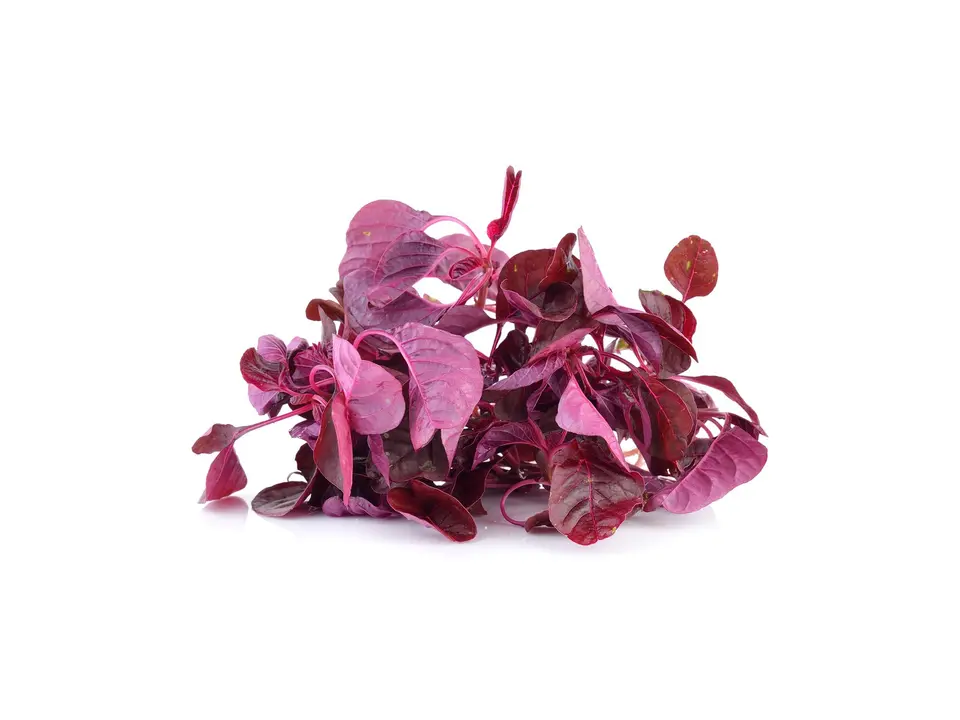 Coming soonVegetablesChinese spinach (amaranth)Soft green leaves, sometimes splashed with red, for soups and stir fries
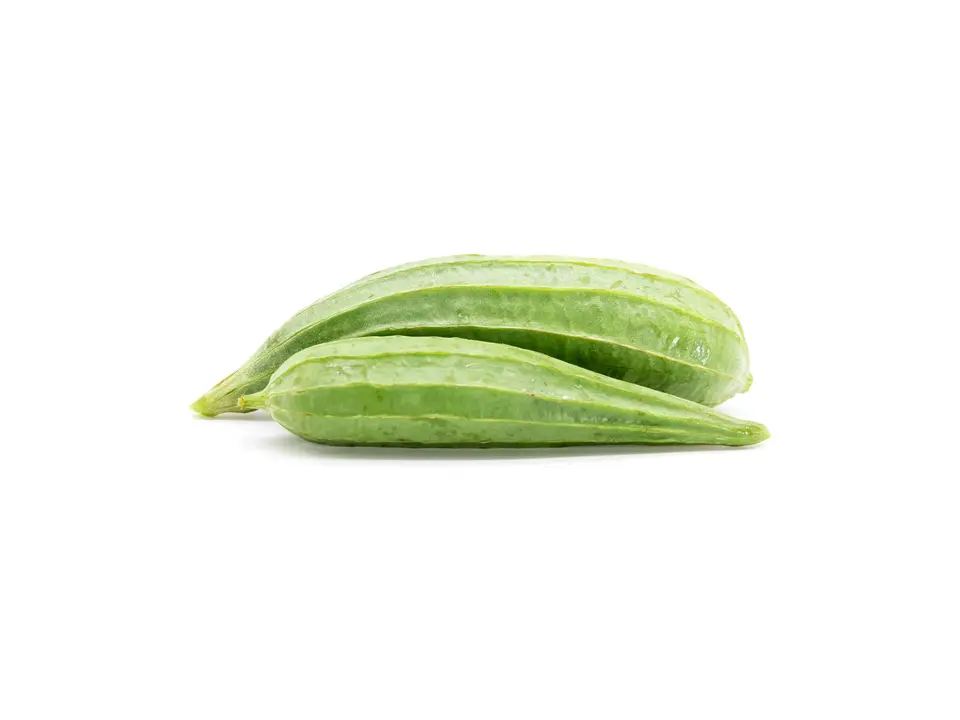 Coming soonVegetablesAngled gourdRidged green gourd that turns soft and sweet in soups and stir fries
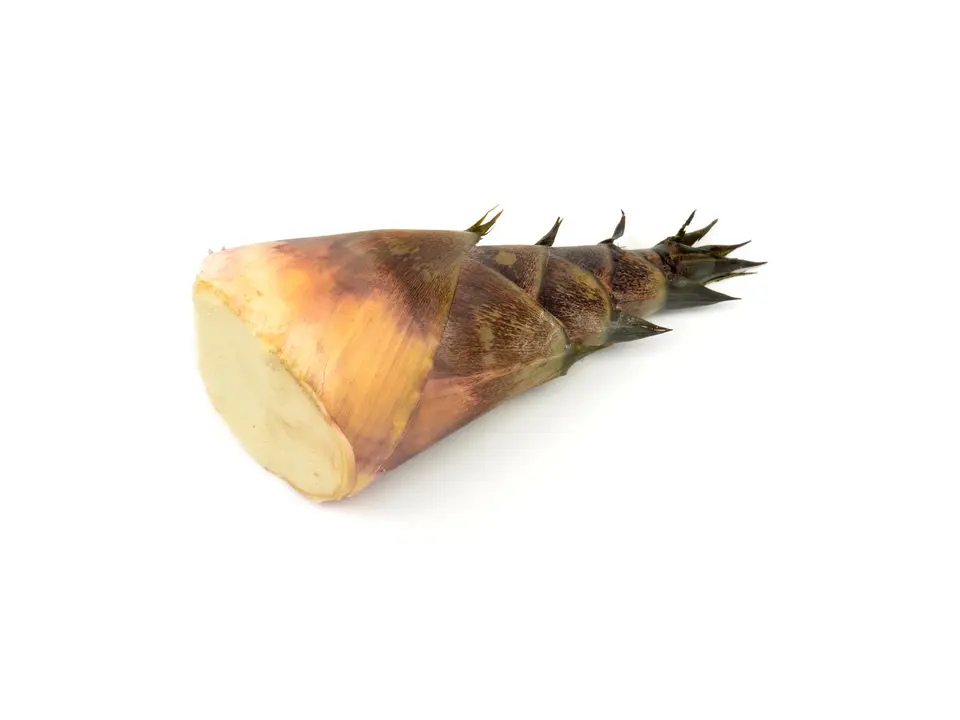 Coming soonVegetablesBamboo shootsCrunchy young shoots for curries, stir fries and northeastern salads
 Coming soonVegetablesBanana peppersLong, pale, mild chillies that are made for stuffing