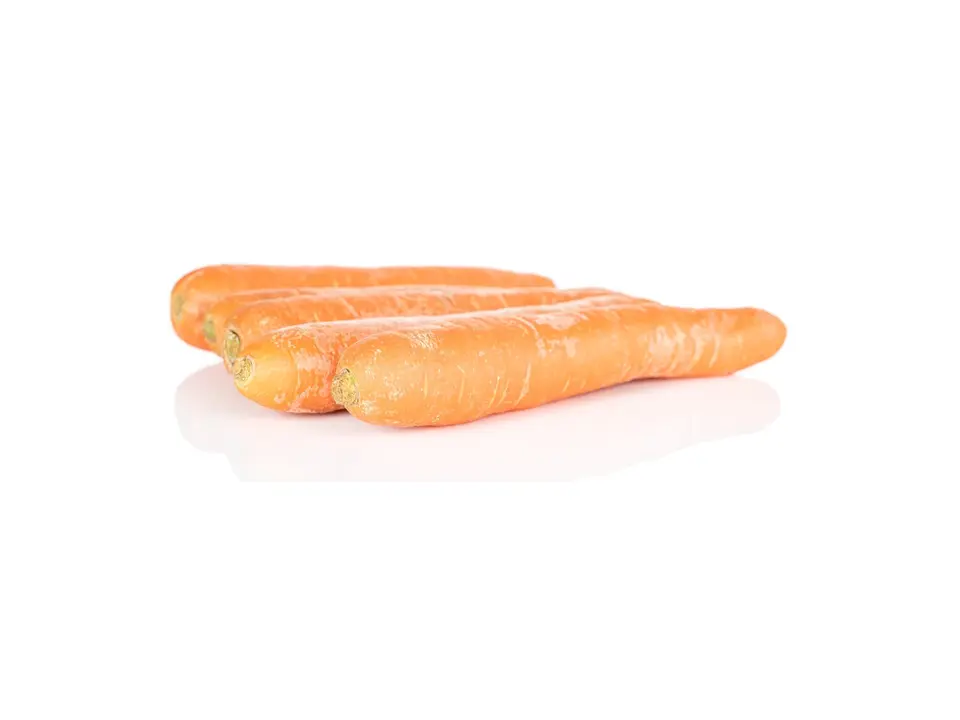
Carrots.
Crisp, sweet roots for soups, stir fries and lunchboxes
Coming soon
- Storage
- Keep carrots in the fridge drawer, and scrub them with a clean brush under running water just before use.
- Keeps
- Best within a few days
- Season
- Mainly cool season, October to January, with some supply the rest of the year
- Origin
- Thailand
- Organic
- Certificate shown for each lot
A good carrot snaps when you bend it and tastes clean and sweet, and the sweetness deepens as it cooks. Few things in the vegetable drawer are this easy to use. Eat it raw with a dip, grate it into a salad, or let it simmer slowly in a pot of soup.
Ways to use it
- Cut into sticks for a lunchbox, or to eat raw with a dip.
- Grate into a salad with lime juice, crushed peanuts and plenty of herbs.
- Slice thin and stir fry with egg or minced pork.
- Simmer in a clear soup, or in a mild curry alongside potato.
- Roast in a hot oven with a little oil until the edges turn brown and sticky.
Storing it
Keep carrots in the fridge drawer and use them within a few days, while they still have their crunch. Because they're firm, you can scrub them with a clean brush under running water, but do it right before cooking. In Thailand carrots are mainly a cool season crop, so supply goes up and down through the year.
Where it comes from
Grown to certified organic standards. The certificate for each lot is shown when you trace your pack.
Every pack will carry a lot code. Enter it on the Trace your pack page and you will see the farms in that lot, the harvest date and the certificate.
What's inside
In 100 g of the part you eat
- Energy
- 41 kcal
- Protein
- 0.93 g
- Fibre
- 2.8 g
- Fat
- 0.24 g
Rich in
- Vitamin A835 µg104%
Good for: Helps keep eyesight and skin normal.
- Vitamin K13.2 µg22%
Good for: Helps blood clot normally and keeps bones normal.
The bar shows how much of a day's need 100 g gives.
Also has
- Vitamin B6 0.14 mg
- Potassium 320 mg
- Vitamin E 0.66 mg
- Vitamin B3 0.98 mg
- Vitamin C 5.9 mg
- Vitamin B1 0.07 mg
- Vitamin B2 0.06 mg
- Folate 19 µg
- Phosphorus 35 mg
- Copper 0.05 mg
- Manganese 0.14 mg
The % is the share of what a person aged 6 or over needs each day (Thai RDIs, Ministry of Public Health notice No. 445, 2023). The "Good for" line is shown only when 100 g gives 15% or more. Typical values from USDA FoodData Central (Carrots, raw). Each harvest varies a little.
Good to know.
All guides- Storing leafy greens and herbsLeafy greens last longest cold, humid and unwashed. A few herbs and vegetables are hurt by the fridge, and the sources give temperatures for each.
- Washing vegetables at homeWhat Thai FDA and the Department of Medical Sciences say about washing vegetables, and what washing can and can't remove.
- Vegetables through the Thai yearThailand has three seasons, and many vegetables grow most easily in the cool months. The rains are harder, especially for tender salad greens.
More vegetables.
See all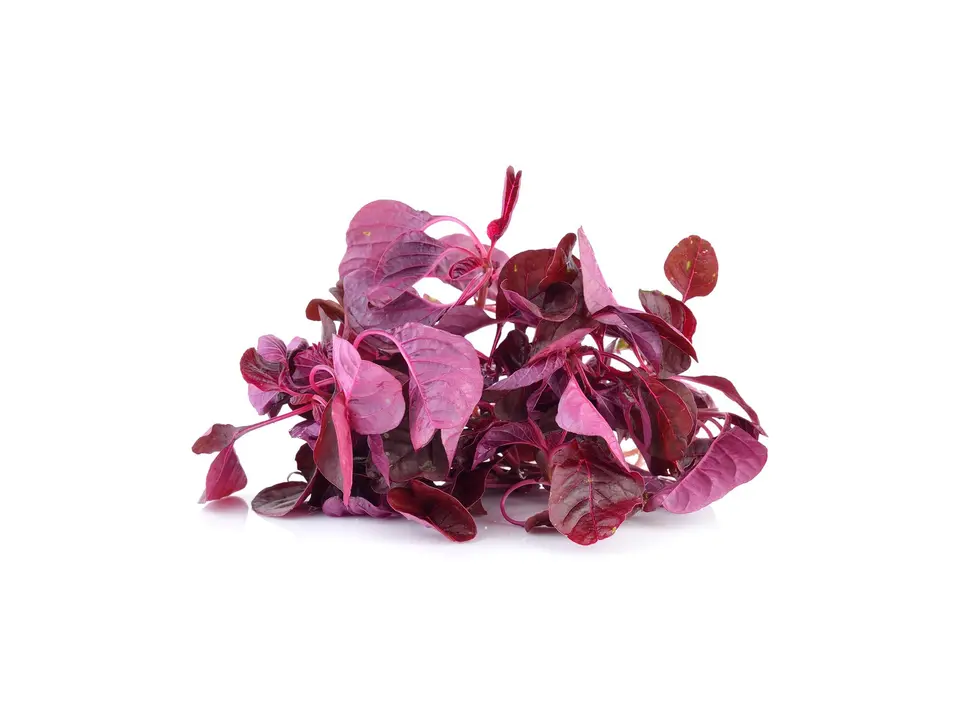 Coming soonVegetablesChinese spinach (amaranth)Soft leaves, deep red or plain green, for soups and stir fries
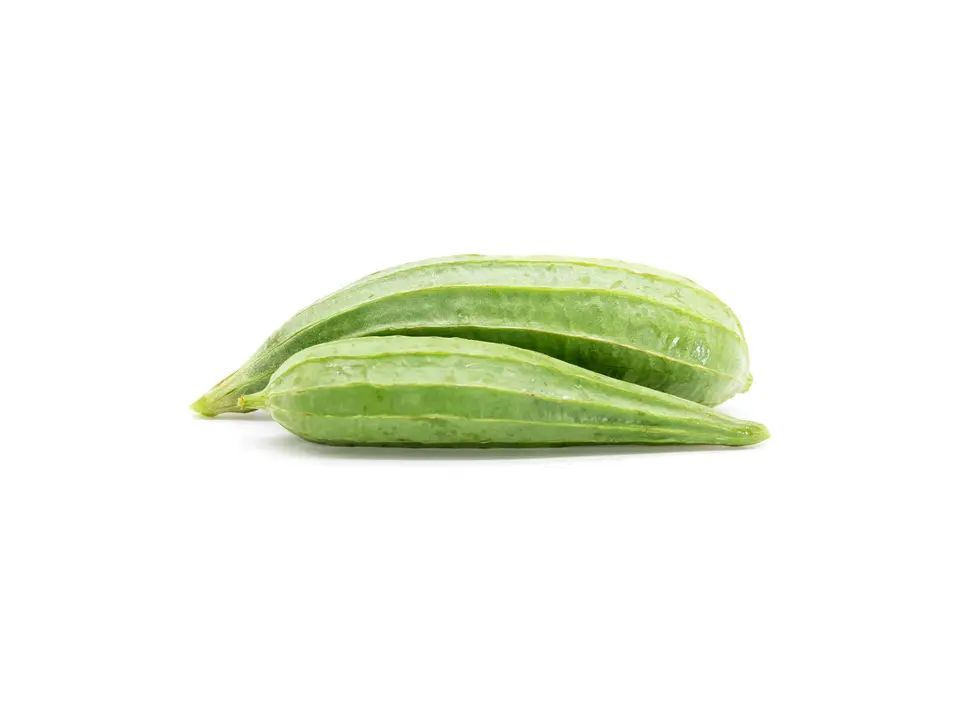 Coming soonVegetablesAngled gourdRidged green gourd that turns soft and sweet in soups and stir fries
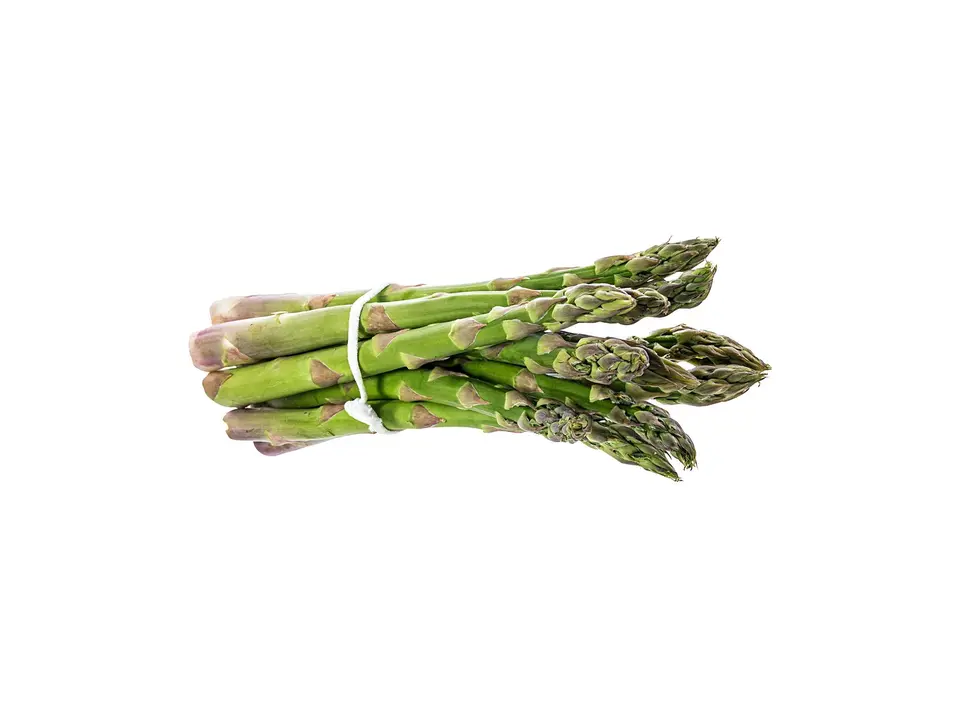 Coming soonVegetablesAsparagusTender green spears for a quick stir fry or the grill
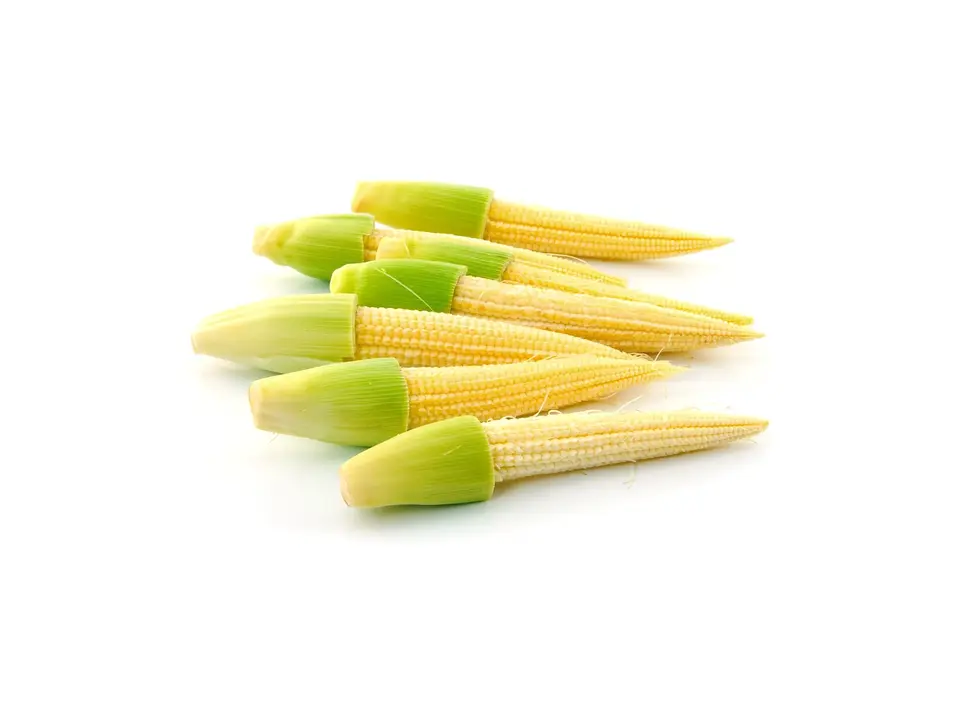 Coming soonVegetablesBaby cornLittle cobs that keep their snap in a hot wok