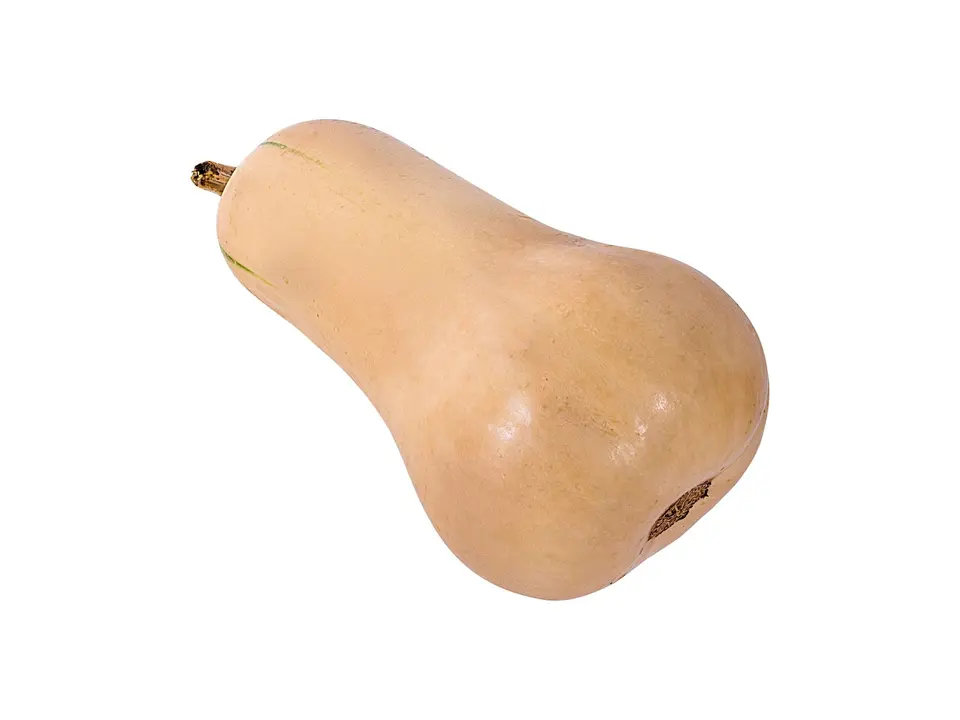
Butternut squash.
Smooth, sweet orange flesh for soups, roasting and curry
Coming soon
- Storage
- Keep a whole squash out of the fridge in a cool place away from direct sun, and keep cut pieces covered in the fridge.
- Keeps
- Best within a few days
- Season
- All year, supply varies
- Origin
- Thailand
- Organic
- Certificate shown for each lot
Butternut squash is a pale tan squash shaped a bit like a bell, with a long solid neck and a small seed pocket at the round end. Under the thin skin the flesh is deep orange, dense and sweet, with a nutty taste. It cooks to a smooth, creamy texture that's less stringy than many pumpkins, which makes it good for soup and mash. The long neck is all flesh, so there's little waste when you cut it.
Ways to use it
- Roast cubes with oil and salt until the edges caramelise.
- Simmer and blend into a smooth soup.
- Add chunks to a coconut milk curry or a stir fry with egg, as you would Thai pumpkin.
- Steam pieces and pour sweet coconut cream over them for dessert.
- Peel with a vegetable peeler. The skin is thin enough that you don't need a heavy knife.
Storing it
Keep a whole squash out of the cold fridge, in a cool spot away from direct sun, and use it within a few days. Once it's cut, wrap the pieces and keep them in the fridge, and cook them soon. Wash the skin under running water before cutting.
Where it comes from
Grown to certified organic standards. The certificate for each lot is shown when you trace your pack.
Every pack will carry a lot code. Enter it on the Trace your pack page and you will see the farms in that lot, the harvest date and the certificate.
What's inside
In 100 g of the part you eat
- Energy
- 45 kcal
- Protein
- 1 g
- Fibre
- 2 g
- Fat
- 0.1 g
Rich in
- Vitamin A532 µg67%
Good for: Helps keep eyesight and skin normal.
- Vitamin C21 mg21%
Good for: Helps the immune system work normally and helps the body take up iron.
- Vitamin E1.4 mg16%
Good for: Helps protect cells from oxidative damage.
The bar shows how much of a day's need 100 g gives.
Also has
- Vitamin B6 0.15 mg
- Magnesium 34 mg
- Potassium 352 mg
- Vitamin B1 0.1 mg
- Vitamin B3 1.2 mg
- Copper 0.07 mg
- Folate 27 µg
- Manganese 0.2 mg
- Calcium 48 mg
- Phosphorus 33 mg
The % is the share of what a person aged 6 or over needs each day (Thai RDIs, Ministry of Public Health notice No. 445, 2023). The "Good for" line is shown only when 100 g gives 15% or more. Typical values from USDA FoodData Central (Squash, winter, butternut, raw). Each harvest varies a little.
Good to know.
All guides- Storing leafy greens and herbsLeafy greens last longest cold, humid and unwashed. A few herbs and vegetables are hurt by the fridge, and the sources give temperatures for each.
- Washing vegetables at homeWhat Thai FDA and the Department of Medical Sciences say about washing vegetables, and what washing can and can't remove.
- Why organic vegetables can look less uniformInsect marks and uneven sizes come down to how crops are grown and how they are graded. What the Thai organic standard says, and how sorting by looks works.
More vegetables.
See all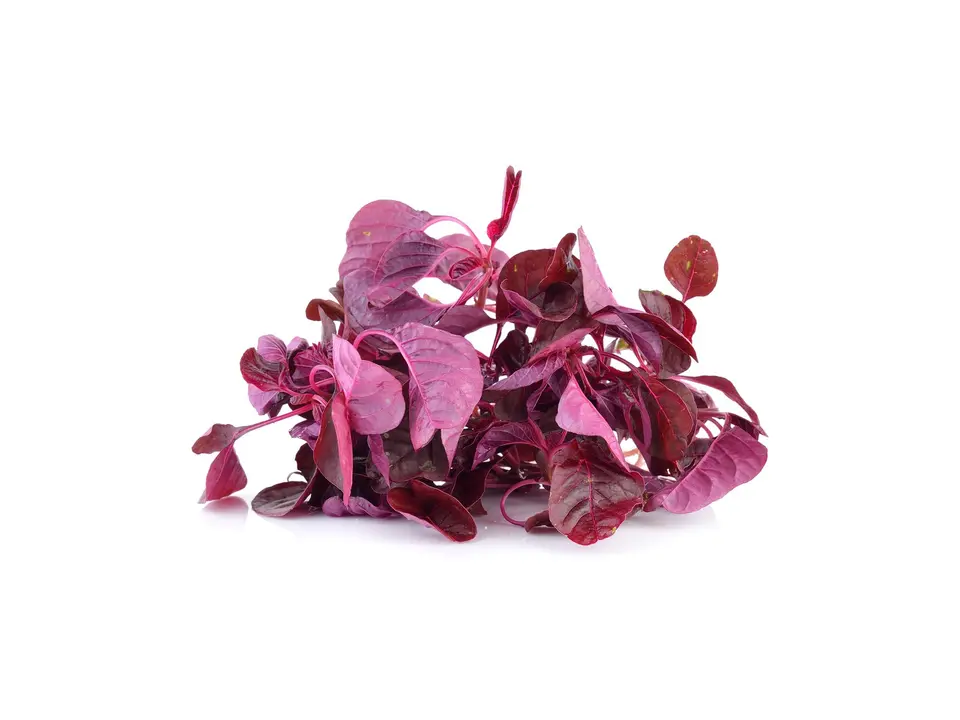 Coming soonVegetablesChinese spinach (amaranth)Soft leaves, deep red or plain green, for soups and stir fries
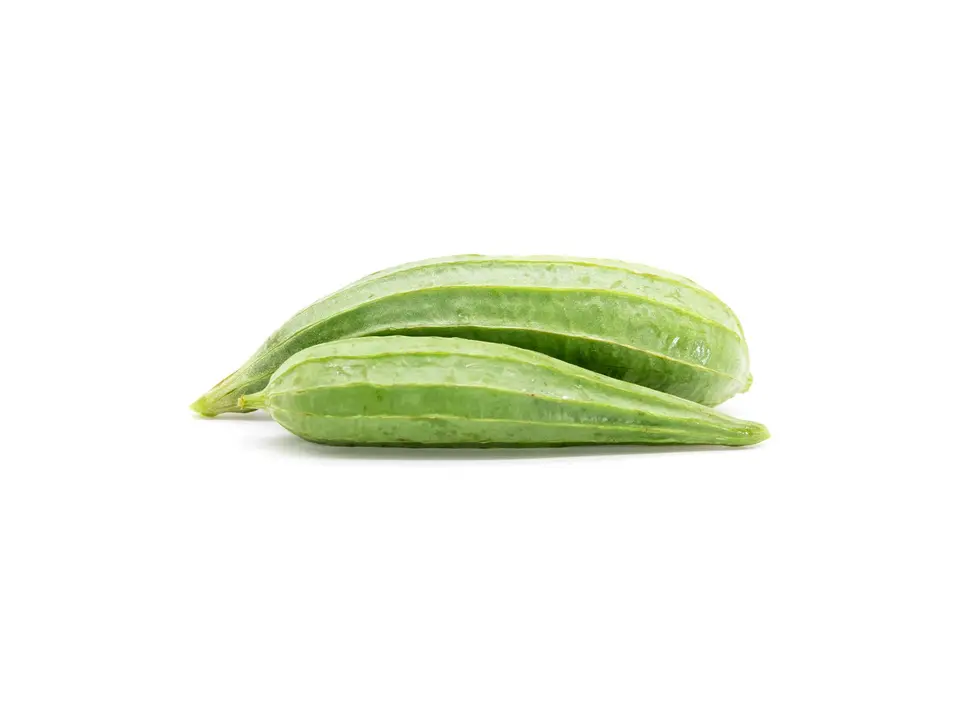 Coming soonVegetablesAngled gourdRidged green gourd that turns soft and sweet in soups and stir fries
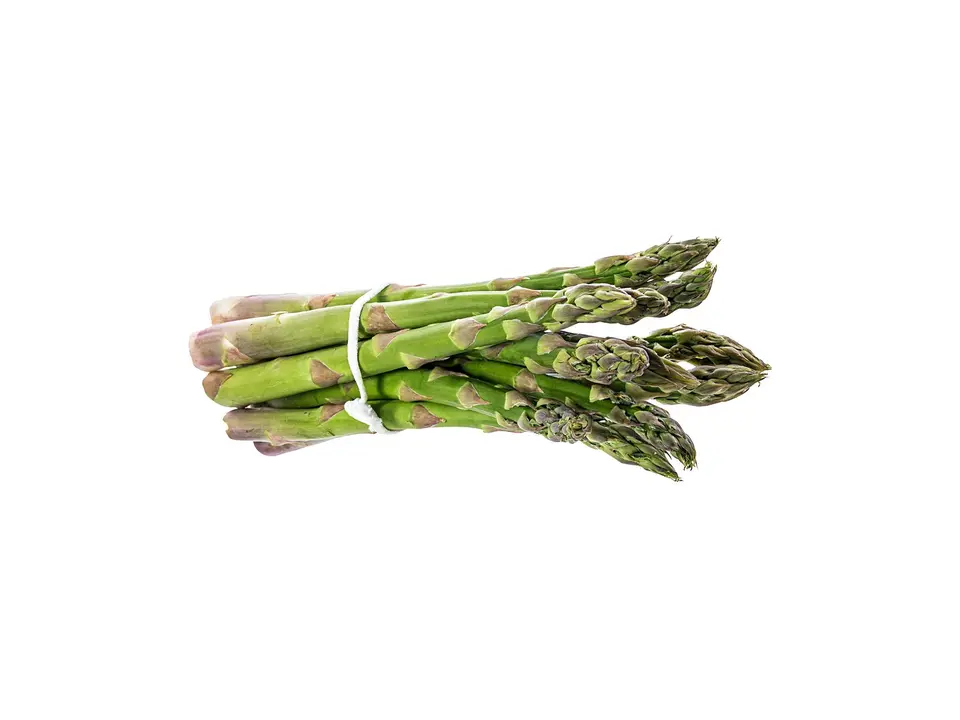 Coming soonVegetablesAsparagusTender green spears for a quick stir fry or the grill
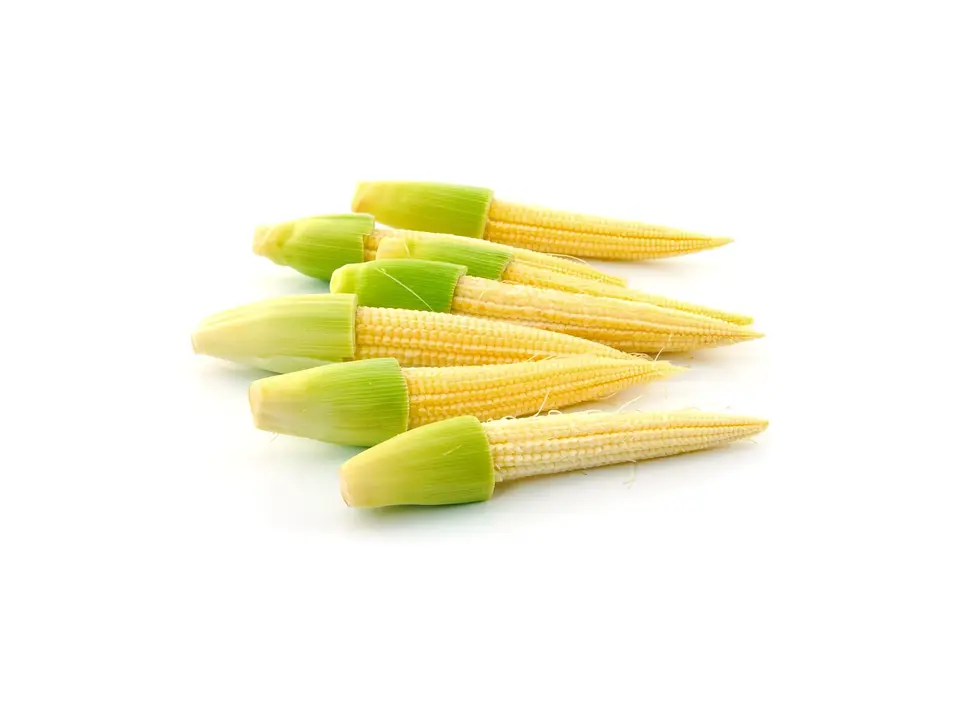 Coming soonVegetablesBaby cornLittle cobs that keep their snap in a hot wok