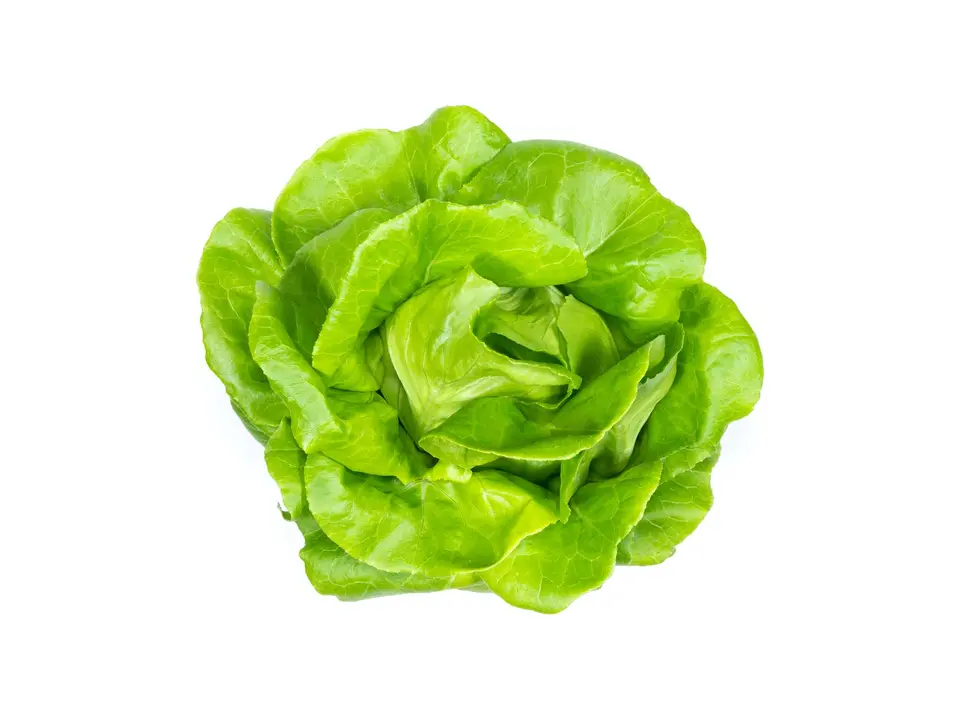
Butterhead lettuce.
A soft, loose head with leaves shaped like little cups
Coming soon
- Storage
- Keep the head unwashed in a container lined with paper towels, in the fridge drawer, and wash the leaves just before use.
- Keeps
- Best within a few days
- Season
- Mainly cool season, mid October to mid February, with less steady supply in the rains
- Origin
- Thailand
- Organic
- Certificate shown for each lot
Butterhead is a lettuce you handle with care. The head is small, round and loosely closed, and the leaves feel almost silky between your fingers. It tastes gentle and slightly sweet, and the pale leaves in the middle are the most tender of all. It suits a simple salad with a light dressing.
Ways to use it
- Pull the leaves apart and dress them with a mild vinaigrette, or just a squeeze of lime and a little oil.
- The cupped leaves hold a spoonful of minced chicken, shrimp or tofu with fresh herbs, to eat by hand.
- Put whole leaves on the plate with Thai dips and relishes, next to cucumber and boiled eggs.
- Tuck a leaf or two into soft rolls and sandwiches.
The leaves bruise easily and go limp faster than crisp lettuces do, so be gentle with them and add the dressing at the last moment.
Storing it
Keep the head unwashed in a container lined with paper towels, in the fridge drawer, and use it within a few days. Soft leaves wilt sooner than firm ones, so this isn't one to forget at the back of the fridge. Wash the leaves just before eating: swish them in a bowl of clean water, then rinse under running water. Soft lettuces like this grow most easily in the cool months, so supply and head size can change in the rains.
Where it comes from
Grown to certified organic standards. The certificate for each lot is shown when you trace your pack.
Every pack will carry a lot code. Enter it on the Trace your pack page and you will see the farms in that lot, the harvest date and the certificate.
What's inside
In 100 g of the part you eat
- Energy
- 13 kcal
- Protein
- 1.4 g
- Fibre
- 1.1 g
- Fat
- 0.22 g
Rich in
- Vitamin K102 µg170%
Good for: Helps blood clot normally and keeps bones normal.
- Vitamin A166 µg21%
Good for: Helps keep eyesight and skin normal.
- Folate73 µg18%
Good for: Helps the body make blood and eases tiredness.
The bar shows how much of a day's need 100 g gives.
Also has
- Potassium 238 mg
- Vitamin B6 0.08 mg
- Iron 1.2 mg
- Manganese 0.18 mg
- Vitamin B1 0.06 mg
- Vitamin B2 0.06 mg
- Phosphorus 33 mg
The % is the share of what a person aged 6 or over needs each day (Thai RDIs, Ministry of Public Health notice No. 445, 2023). The "Good for" line is shown only when 100 g gives 15% or more. Typical values from USDA FoodData Central (Lettuce, butterhead (includes boston and bibb types), raw). Each harvest varies a little.
Good to know.
All guides- Storing leafy greens and herbsLeafy greens last longest cold, humid and unwashed. A few herbs and vegetables are hurt by the fridge, and the sources give temperatures for each.
- Washing vegetables at homeWhat Thai FDA and the Department of Medical Sciences say about washing vegetables, and what washing can and can't remove.
- Vegetables through the Thai yearThailand has three seasons, and many vegetables grow most easily in the cool months. The rains are harder, especially for tender salad greens.
More vegetables.
See all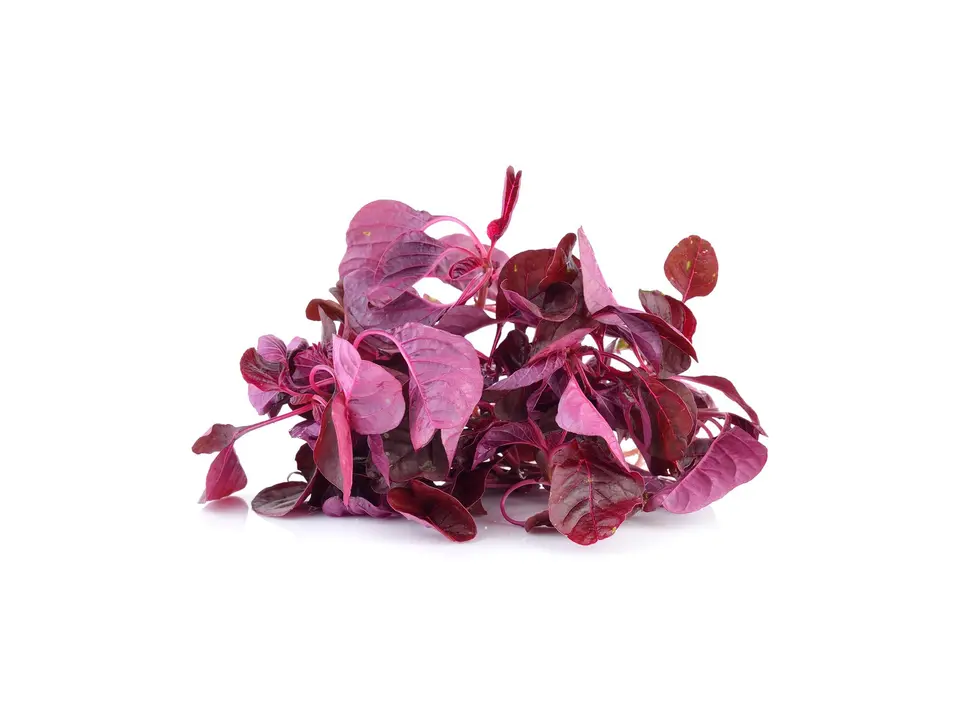 Coming soonVegetablesChinese spinach (amaranth)Soft leaves, deep red or plain green, for soups and stir fries
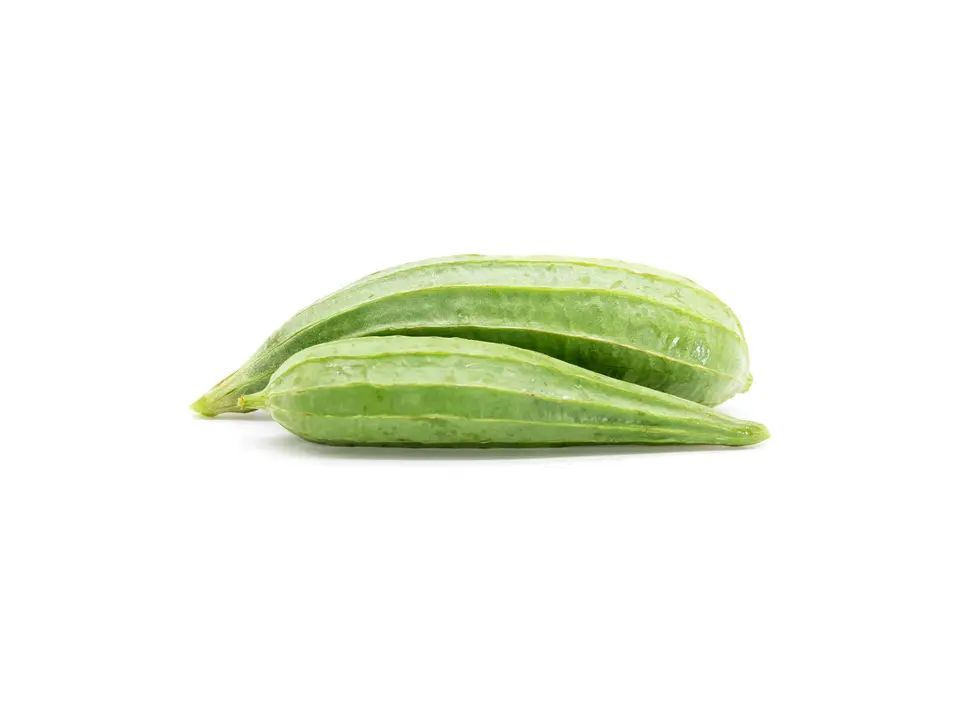 Coming soonVegetablesAngled gourdRidged green gourd that turns soft and sweet in soups and stir fries
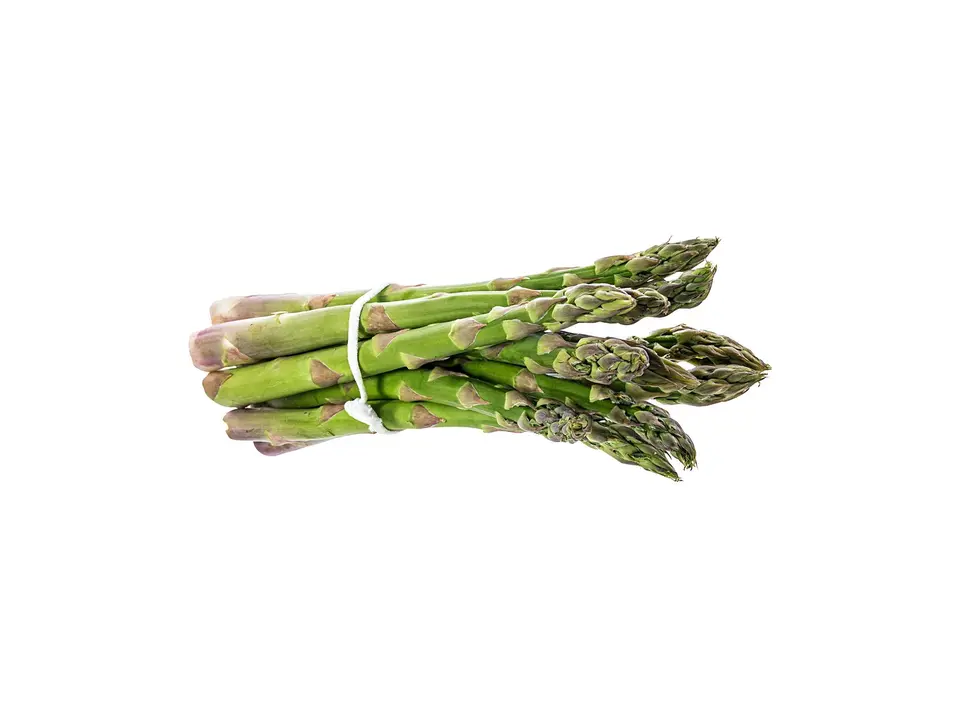 Coming soonVegetablesAsparagusTender green spears for a quick stir fry or the grill
 Coming soonVegetablesBaby cornLittle cobs that keep their snap in a hot wok