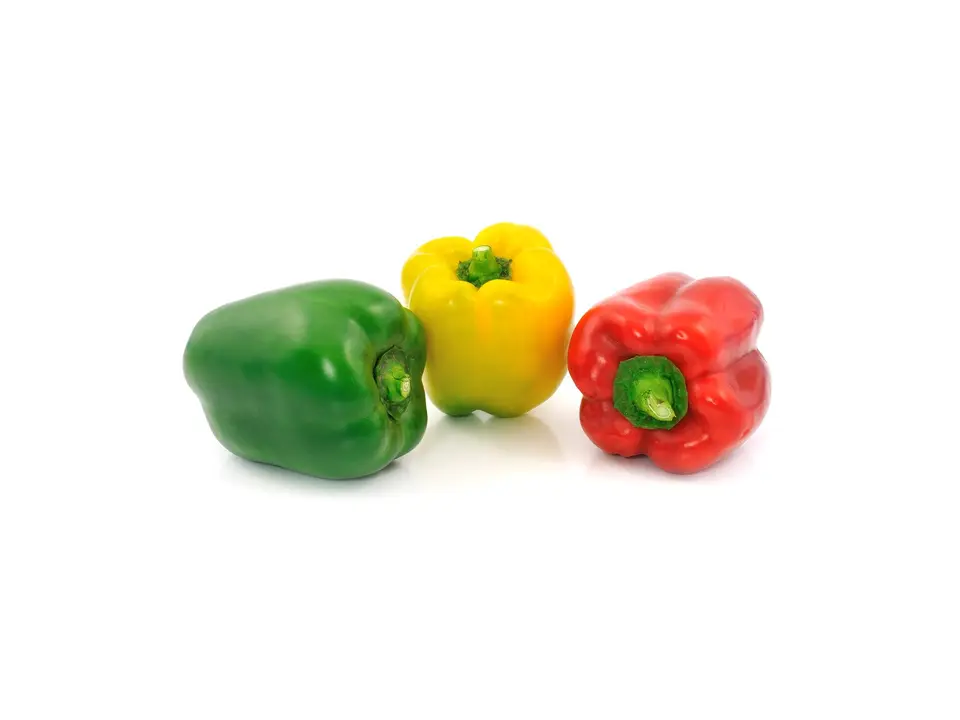
Sweet peppers.
Crisp, juicy peppers with no heat, for stir fries and salads
Coming soon
- Storage
- Keep the peppers unwashed in the fridge drawer, and wash them just before cooking.
- Keeps
- Best within a few days
- Season
- All year, supply varies
- Origin
- Thailand
- Organic
- Certificate shown for each lot
Sweet peppers are big, blocky peppers with thick walls and no heat at all. Green ones taste fresher and a little grassy. Red and yellow ones stay on the plant longer, making them sweeter and softer. Raw, they are crisp and juicy. Cooked, they turn silky and their sweetness comes out. A few strips add colour and crunch to a Thai stir fry without adding heat, which is handy when not everyone eats chilli.
Ways to use it
- Cut into strips and stir fry with chicken, cashew nuts or sweet and sour sauce.
- Slice thinly into a salad or a sandwich for crunch.
- Roast or grill them whole until the skin blackens, then peel and dress with oil and a pinch of salt.
- Halve, remove the seeds, and stuff with minced pork or rice before baking.
- Dice finely into fried rice or an omelette.
Storing it
Keep peppers whole and unwashed in the fridge vegetable drawer, and use them within a few days. A firm, glossy skin means the pepper is fresh. Once the skin wrinkles or soft spots appear, cook them soon. Wash under running water just before cutting, then remove the stem, seeds and white ribs.
Where it comes from
Grown to certified organic standards. The certificate for each lot appears when you trace your pack.
Every pack carries a lot code. Enter it on the Trace your pack page to see the farms in that lot, the harvest date and the certificate.
What's inside
In 100 g of the part you eat
- Energy
- 26 kcal
- Protein
- 0.99 g
- Fibre
- 2.1 g
- Fat
- 0.3 g
Rich in
- Vitamin C128 mg128%
Good for: Helps the immune system work normally and helps the body take up iron.
- Vitamin B60.29 mg22%
Good for: Helps the immune system and eases tiredness.
- Vitamin A157 µg20%
Good for: Helps keep eyesight and skin normal.
- Vitamin E1.6 mg18%
Good for: Helps protect cells from oxidative damage.
The bar shows how much of a day's need 100 g gives.
Also has
- Folate 46 µg
- Vitamin K 4.9 µg
- Vitamin B2 0.09 mg
- Vitamin B3 0.98 mg
- Potassium 211 mg
- Vitamin B1 0.05 mg
The % is the share of what a person aged 6 or over needs each day (Thai RDIs, Ministry of Public Health notice No. 445, 2023). The "Good for" line is shown only when 100 g gives 15% or more. Typical values from USDA FoodData Central (Peppers, sweet, red, raw). Each harvest varies a little.
Good to know.
All guides- Washing vegetables at homeWhat Thai FDA and the Department of Medical Sciences say about washing vegetables, and what washing can and can't remove.
- Vegetables through the Thai yearThailand has three seasons, and many vegetables grow most easily in the cool months. The rains are harder, especially for tender salad greens.
- Organising the fridge so food stays safeKeep the fridge below 5 degrees C, put raw food in containers on the bottom shelf, and leave room for air to move. Advice from WHO and a US extension service.
More vegetables.
See all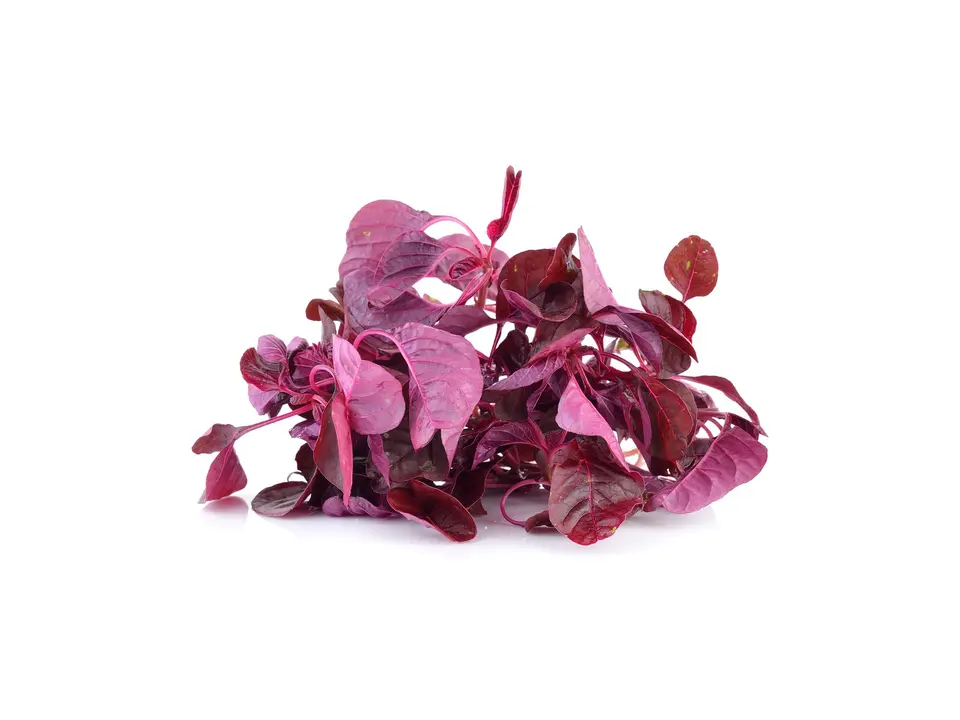 Coming soonVegetablesChinese spinach (amaranth)Soft leaves, deep red or plain green, for soups and stir fries
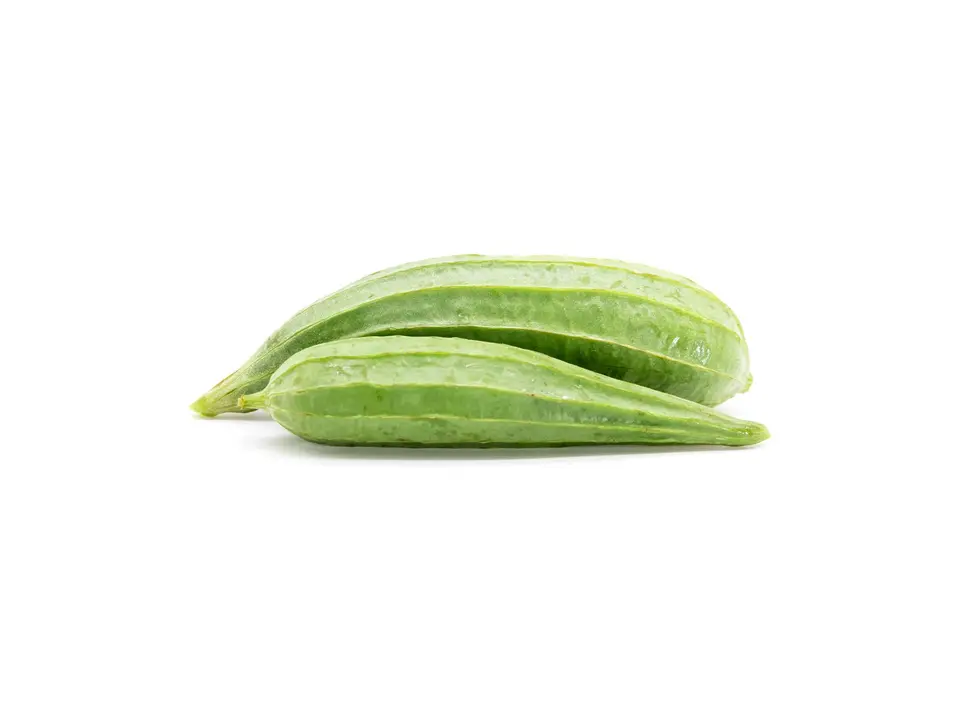 Coming soonVegetablesAngled gourdRidged green gourd that turns soft and sweet in soups and stir fries
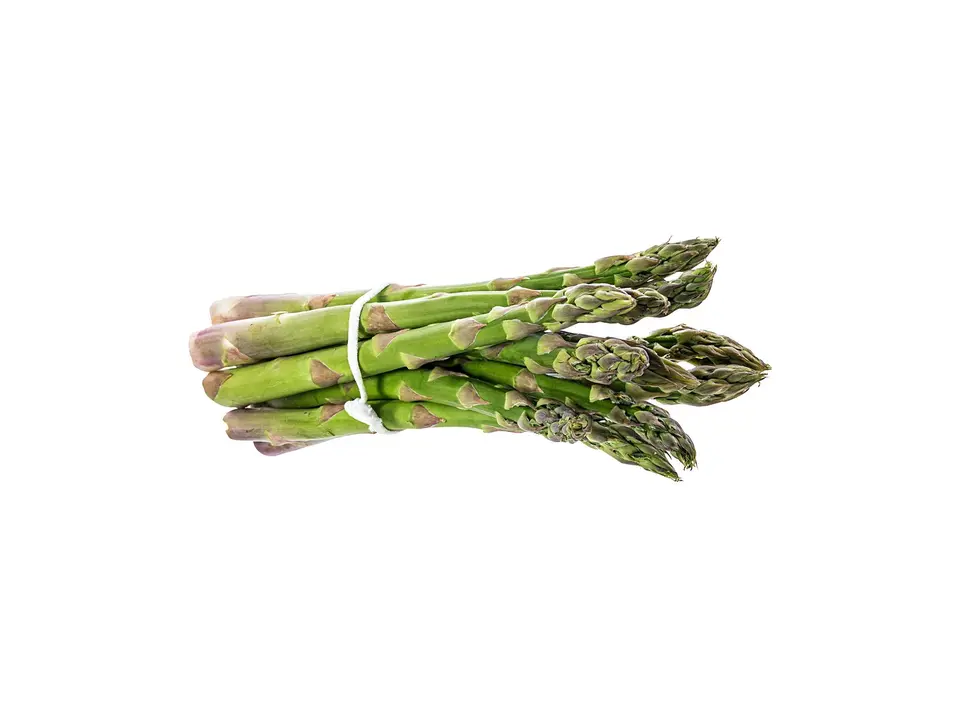 Coming soonVegetablesAsparagusTender green spears for a quick stir fry or the grill
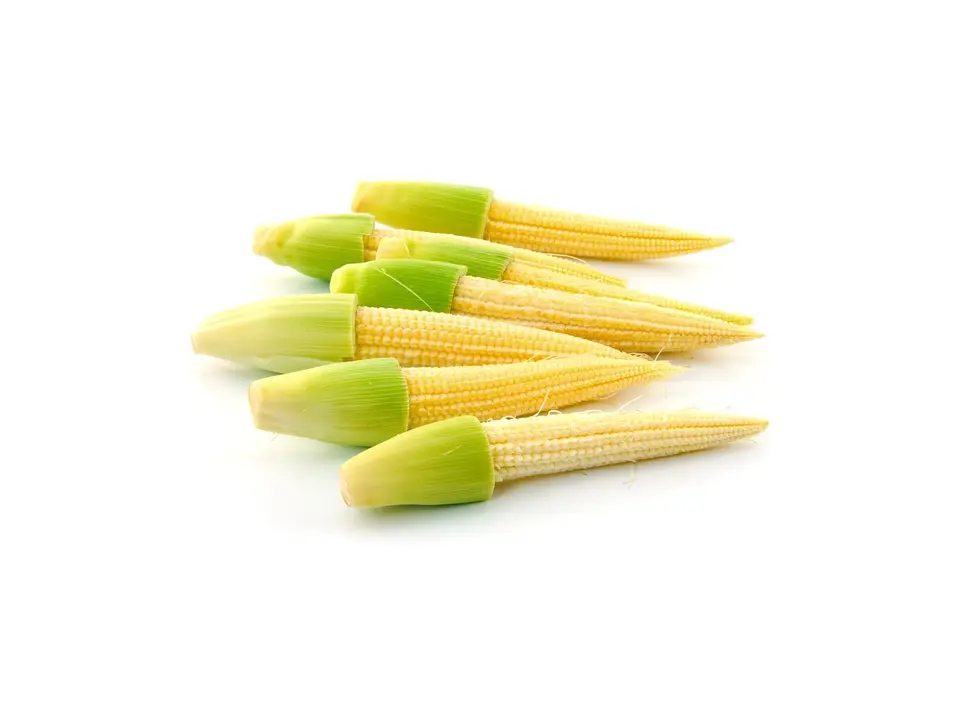 Coming soonVegetablesBaby cornLittle cobs that keep their snap in a hot wok