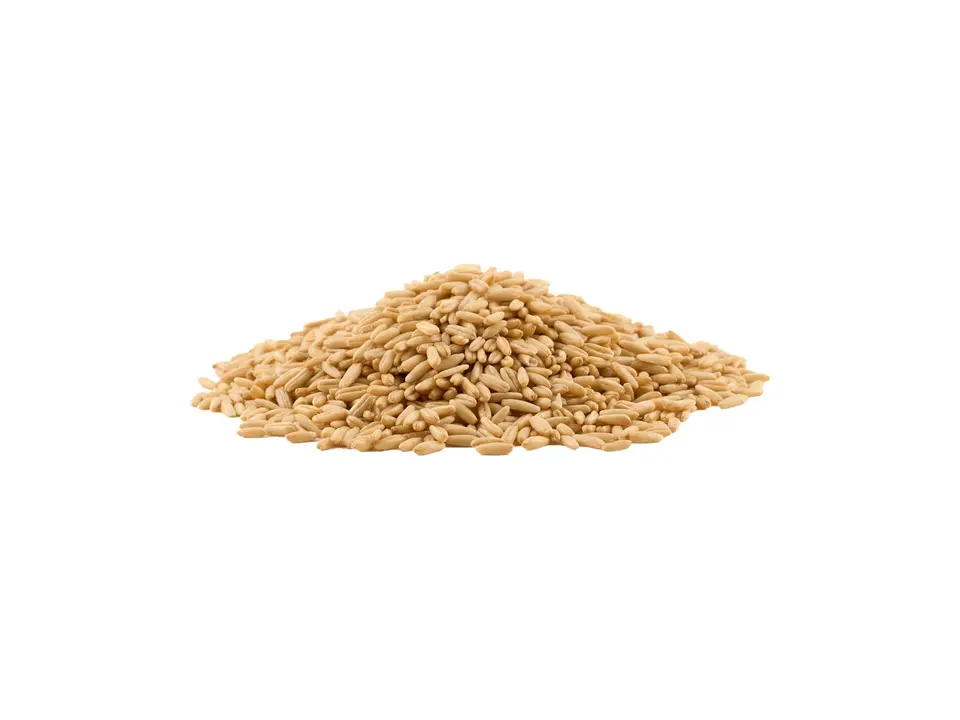
Oat kernels.
Whole oat grains with a chewy bite, for porridge and grain bowls
Coming soon
- Storage
- Keep in a cool, dry place in a sealed container, away from sunlight.
- Keeps
- See the best-before date on the pack
- Season
- All year
- Origin
- Shown for each lot
- Organic
- Certificate shown for each lot
Oat kernels, also called oat groats, are whole oat grains with only the hard outer husk taken off. They are not rolled or cut, so they look like slim, pale brown grains of rice. Cooked, they stay whole and chewy, with a mild, slightly sweet, nutty taste. They take longer than rolled oats, but they give porridge and grain bowls a texture that flakes don't.
Ways to use it
- Cook a big pot and keep it in the fridge, then use it through the week like brown rice.
- Simmer with milk or water and a pinch of salt for a thick, chewy porridge. Top with banana or mango.
- Add a handful to the rice cooker with white or brown rice.
- Stir cooked grains into a vegetable or chicken soup to make it more filling.
- Toss cold cooked oats with herbs, cucumber and a lime dressing as a grain salad.
Rinse the grains, then simmer with about three times their volume of water for about 45 minutes to an hour, until tender but still chewy. Soaking them overnight cuts the cooking time. Drain off any water left at the end.
Storing it
Keep the sealed pack in a cool, dry cupboard away from sunlight and heat. Once opened, move the grains to a jar with a tight lid. Cooked oats go into the fridge once they have cooled.
Where it comes from
Grown to certified organic standards. The certificate for each lot is shown when you trace your pack.
Every pack will carry a lot code. Enter it on the Trace your pack page and you will see the farms in that lot, the packing date and the certificate.
What's inside
In 100 g, dry, before cooking
- Energy
- 389 kcal
- Protein
- 16.9 g
- Fibre
- 10.6 g
- Fat
- 6.9 g
Rich in
- Manganese4.9 mg164%
Good for: Helps keep bones normal and protects cells.
- Phosphorus523 mg75%
Good for: Needed for normal bones and teeth.
- Copper0.63 mg70%
Good for: Helps the immune system and moves iron around the body.
- Vitamin B10.76 mg64%
Good for: Helps turn food into energy.
- Magnesium177 mg57%
Good for: Helps muscles work normally and eases tiredness.
- Fibre10.6 g42%
Good for: Helps keep digestion regular.
The bar shows how much of a day's need 100 g gives.
Also has
- Zinc 4 mg
- Iron 4.7 mg
- Folate 56 µg
- Vitamin B2 0.14 mg
- Potassium 429 mg
- Vitamin B6 0.12 mg
- Vitamin B3 0.96 mg
- Calcium 54 mg
The % is the share of what a person aged 6 or over needs each day (Thai RDIs, Ministry of Public Health notice No. 445, 2023). The "Good for" line is shown only when 100 g gives 15% or more. Typical values from USDA FoodData Central (Oats (Includes foods for USDA's Food Distribution Program)). Each harvest varies a little.
Good to know.
All guides- How to store rice, and why brown rice goes off soonerKeep rice dry, cool and sealed, away from insects. Brown rice doesn't keep as long as white, because the oil in its bran can turn rancid.
- Wasting less food at homeHouseholds throw away most of the world's wasted food. Planning, using older food first and finding a use for leftovers are the habits FAO and UNEP point to.
More grains and seeds.
See all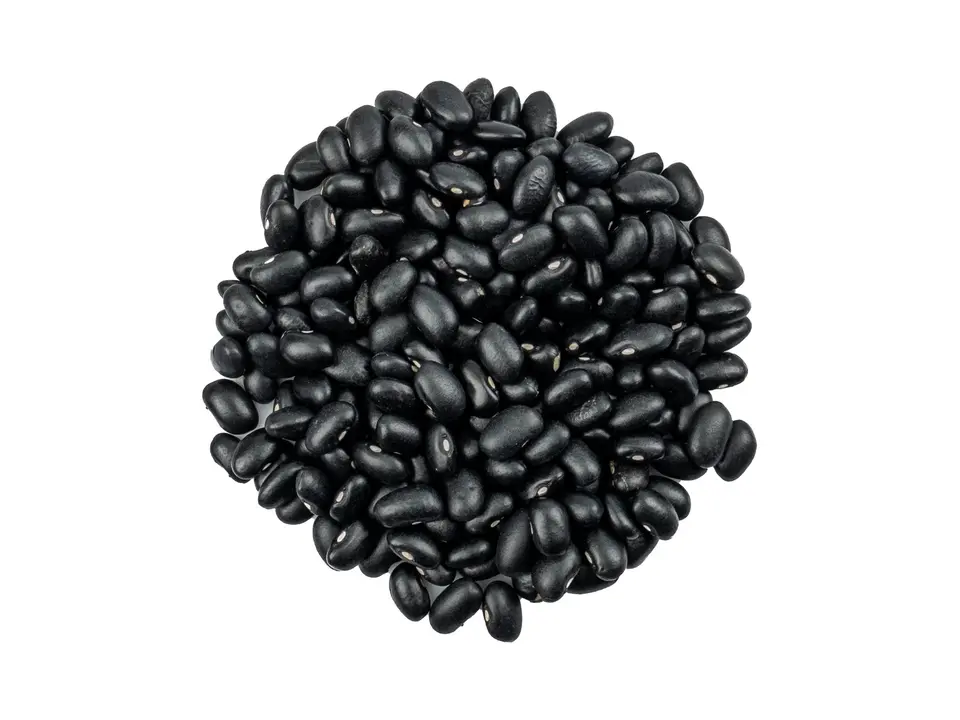 Coming soonGrains and seedsBlack beansSmall black beans that cook creamy inside, for soups and sweets
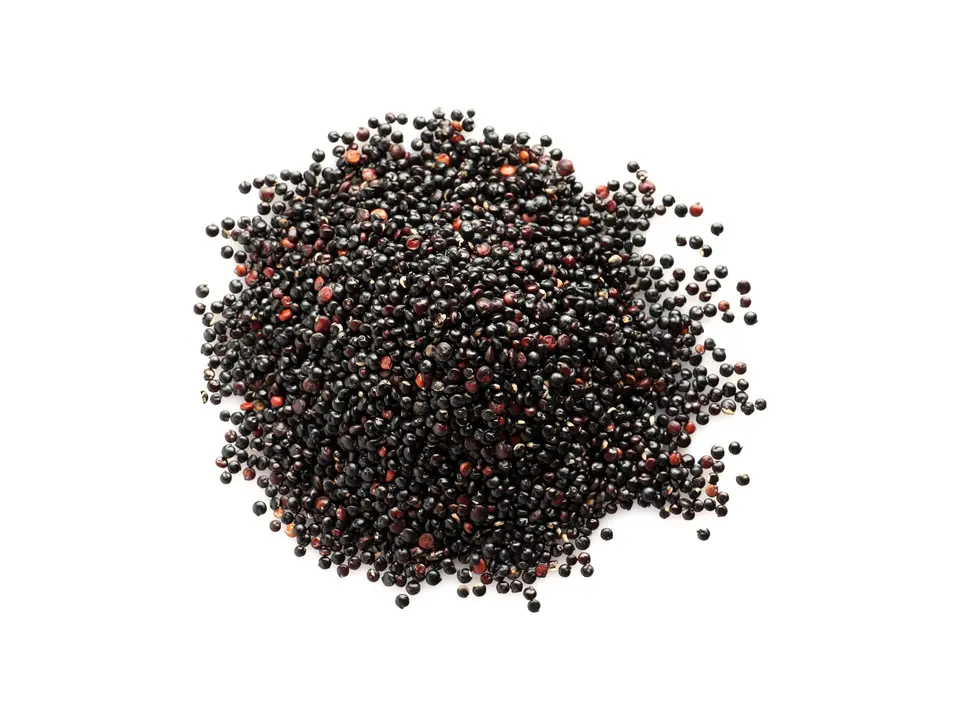 Coming soonGrains and seedsBlack quinoaDark, crunchy quinoa with an earthy taste
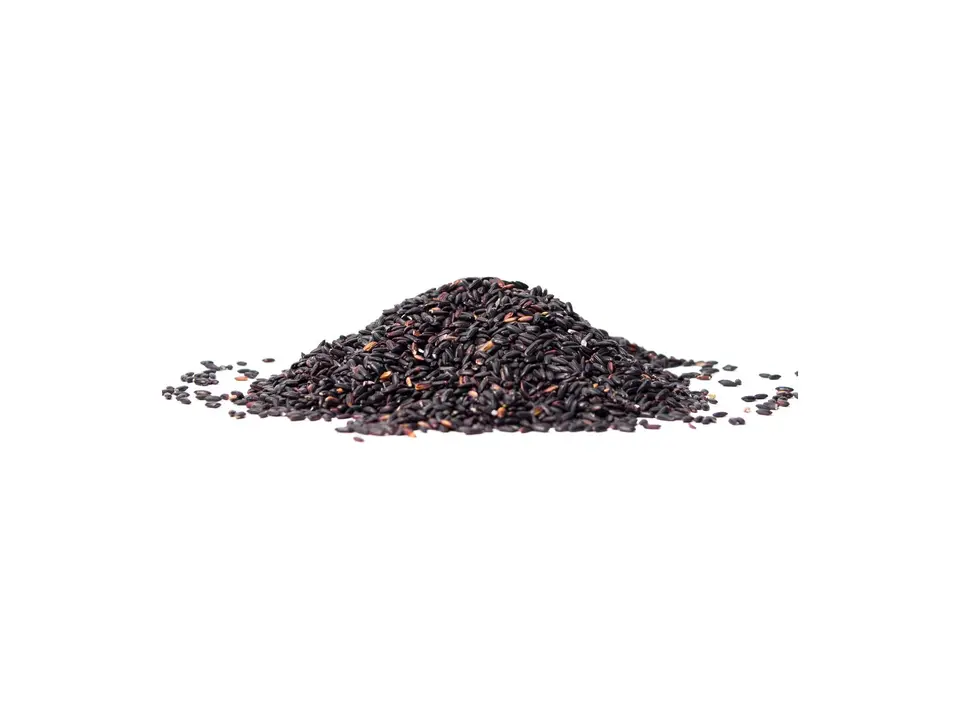 Coming soonGrains and seedsOrganic black sticky riceBlack glutinous rice for coconut desserts and sweet snacks
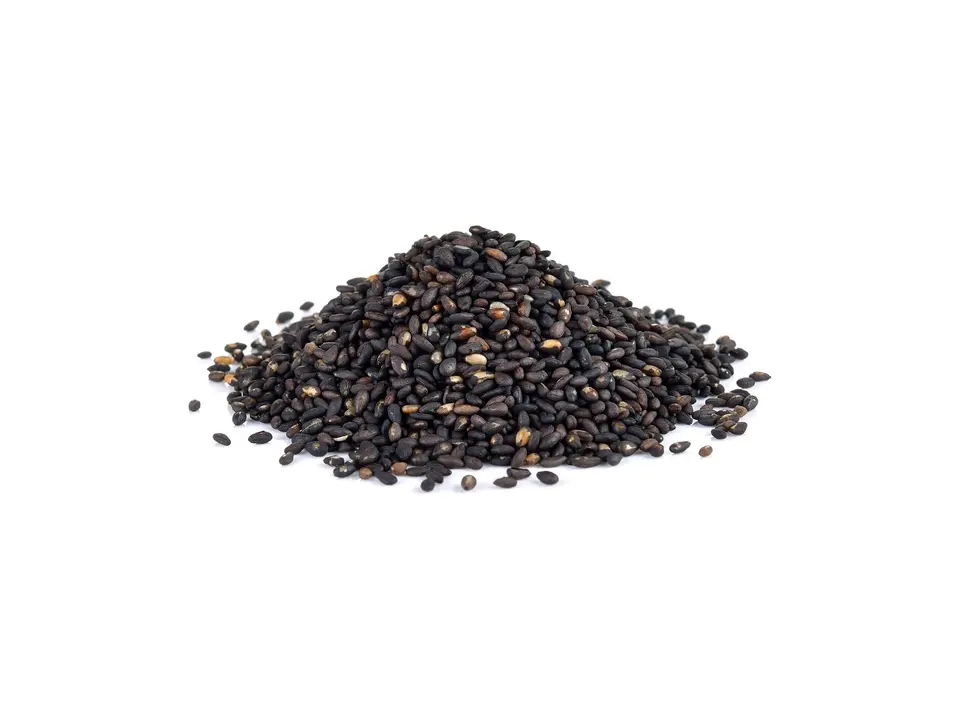 Coming soonGrains and seedsBlack sesameDeep, toasty black sesame for sweets, rice and noodles