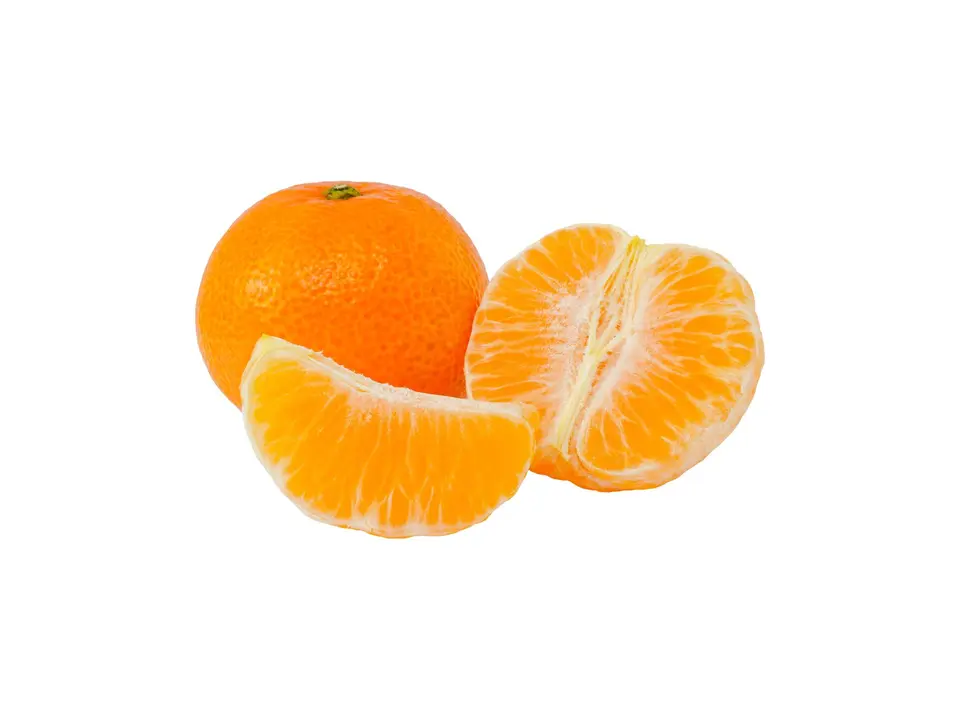
Mandarin.
Small, loose-skinned citrus that peels by hand in a few seconds
Coming soon
- Storage
- Keep mandarins in a cool spot for a few days, or in the fridge to hold them longer, and rinse them just before peeling.
- Keeps
- Best within a few days
- Season
- All year, supply varies
- Origin
- Shown for each lot
- Organic
- Certificate shown for each lot
A mandarin is a small, flattened orange with a thin skin that comes away from the fruit easily. You can peel one with your thumbs, split it into segments and eat it standing at the kitchen counter. The flesh is juicy and sweet with a light sharpness, and the peel smells strongly of citrus as soon as you break it. That ease is the whole appeal. It's the fruit people put in a lunch box or leave in a bowl for whoever walks past.
Like all citrus, a mandarin doesn't ripen any further after picking. What you get on the day is what it will taste like, so choose fruit that feels heavy for its size with skin that has no soft spots.
Ways to use it
- Peel and eat the segments as they are, chilled or at room temperature.
- Add segments to a green salad or a Thai-style fruit salad with a little salt and chilli.
- Squeeze the juice into a dressing for grilled chicken or a light vinaigrette.
- Grate a little of the washed peel over a cake batter or a bowl of yogurt.
Storing it
A cool spot out of the sun is fine for a few days. For longer, put the fruit in the fridge, loose, with room for air to move. Wash the skin under running water just before you peel, since your fingers carry anything on the peel onto the fruit.
Where it comes from
Grown to certified organic standards. The certificate for each lot is shown when you trace your pack.
Every pack will carry a lot code. Enter it on the Trace your pack page and you will see the farms in that lot, the harvest date and the certificate.
What's inside
In 100 g of the part you eat
- Energy
- 53 kcal
- Protein
- 0.81 g
- Fibre
- 1.8 g
- Fat
- 0.31 g
Rich in
- Vitamin C26.7 mg27%
Good for: Helps the immune system work normally and helps the body take up iron.
The bar shows how much of a day's need 100 g gives.
Also has
- Vitamin B6 0.08 mg
- Vitamin B1 0.06 mg
- Potassium 166 mg
- Copper 0.04 mg
The % is the share of what a person aged 6 or over needs each day (Thai RDIs, Ministry of Public Health notice No. 445, 2023). The "Good for" line is shown only when 100 g gives 15% or more. Typical values from USDA FoodData Central (Tangerines, (mandarin oranges), raw). Each harvest varies a little.
Good to know.
All guides- Storing fruit at homeWhich fruit goes in the fridge and which stays out, why a cold fridge can spoil a banana or mango, and why ripening fruit needs its own space.
- Washing and peeling fruitWhy fruit gets washed even when it's going to be peeled, what the shiny layer on an apple is, and what Thai FDA and the Department of Medical Sciences say.
- Ripening fruit at homeA hard mango will soften on the counter, a sour pineapple won't. Which fruits ripen after picking, and how a paper bag speeds them up.
More fruit.
See all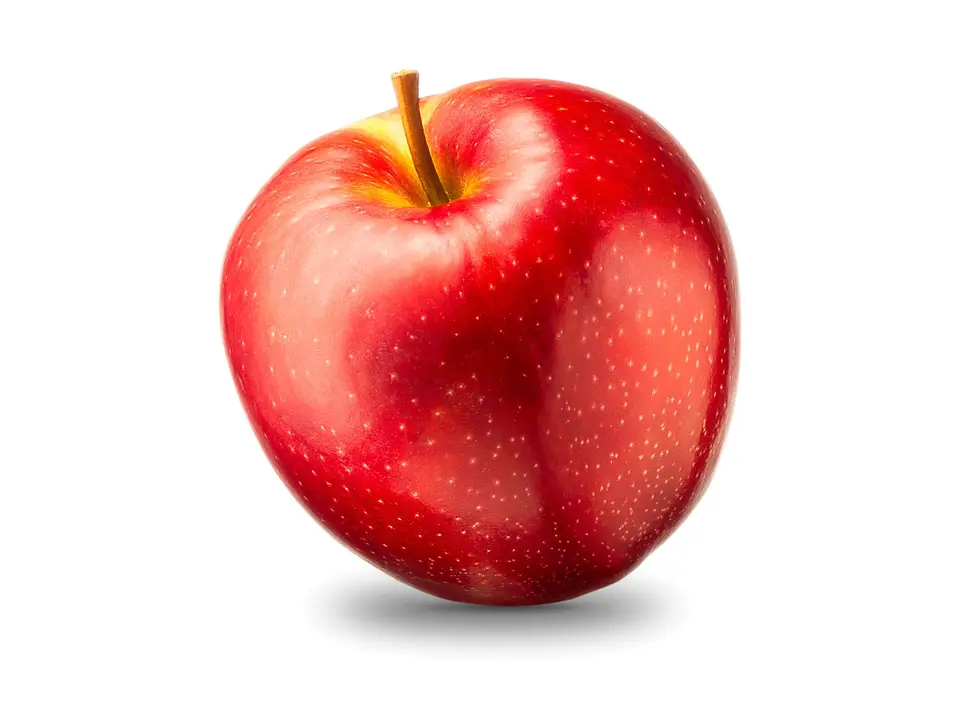 Coming soonFruitRed appleCrisp, juicy and sweet, for lunch boxes, salads and baking
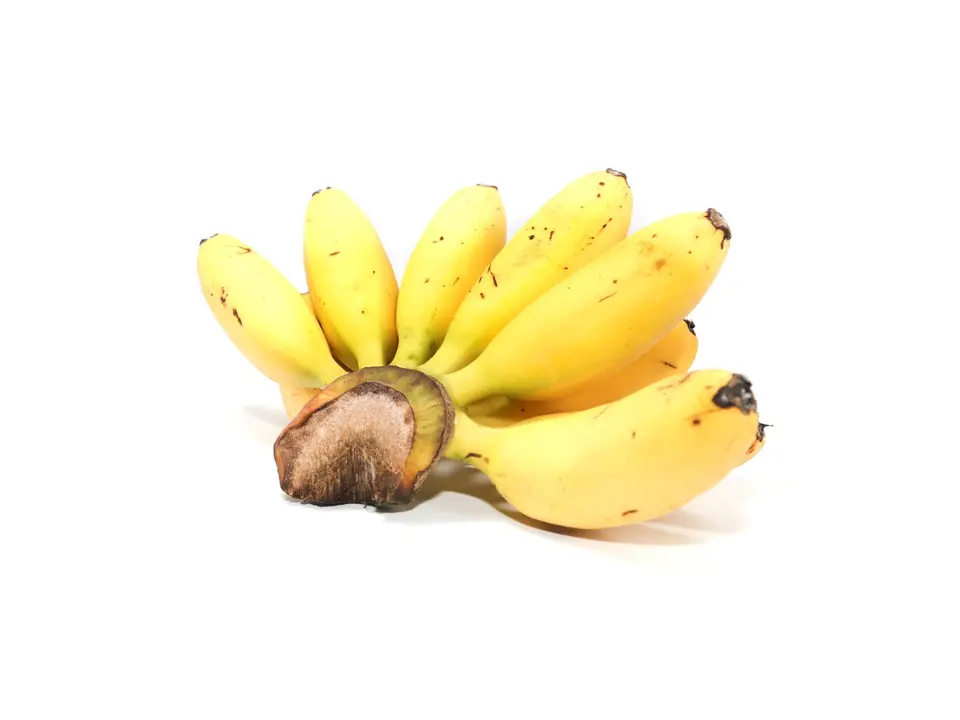 Coming soonFruitLady finger bananas (kluai khai)Small, thin-skinned bananas with golden, sweet flesh
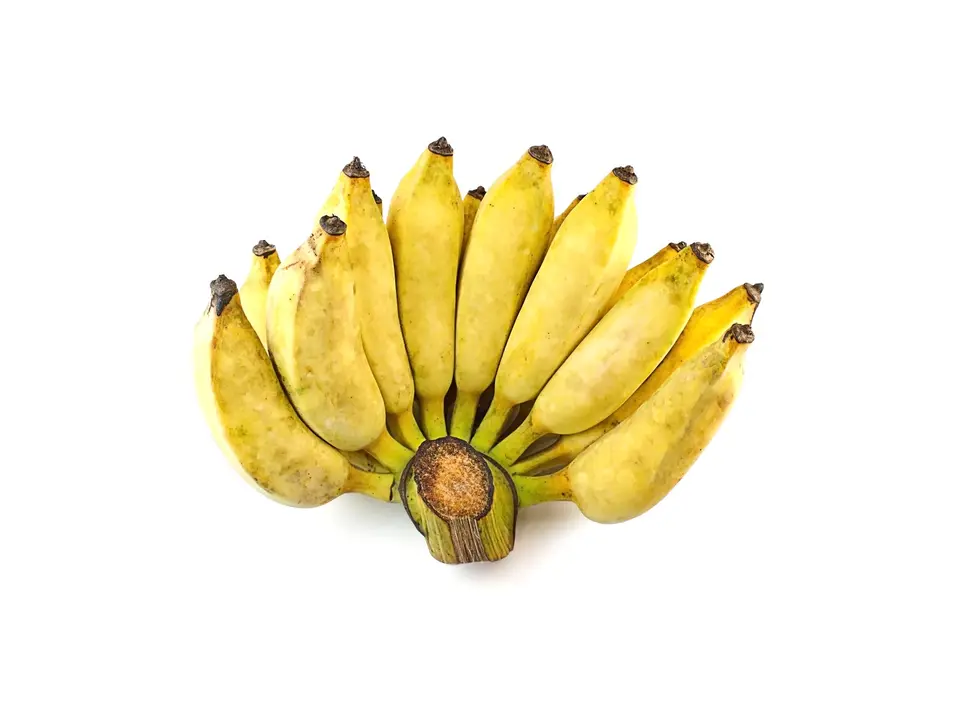 Coming soonFruitNamwa bananas (kluai namwa)Stout, sweet bananas that hold their shape in Thai desserts
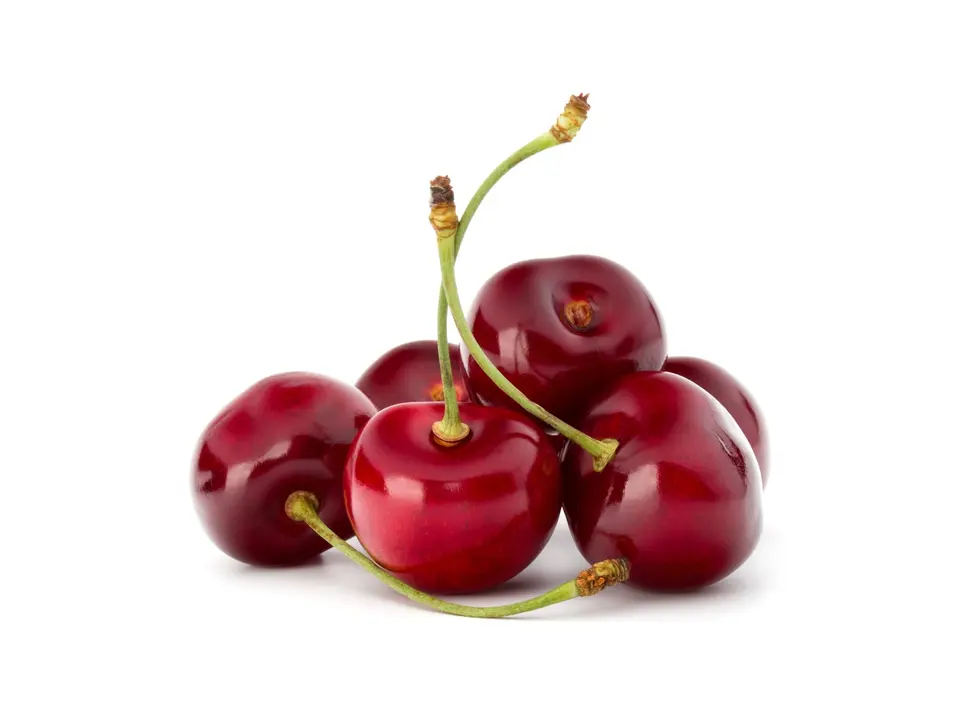 Coming soonFruitSweet cherryDark red, glossy fruit with a firm bite and a single stone