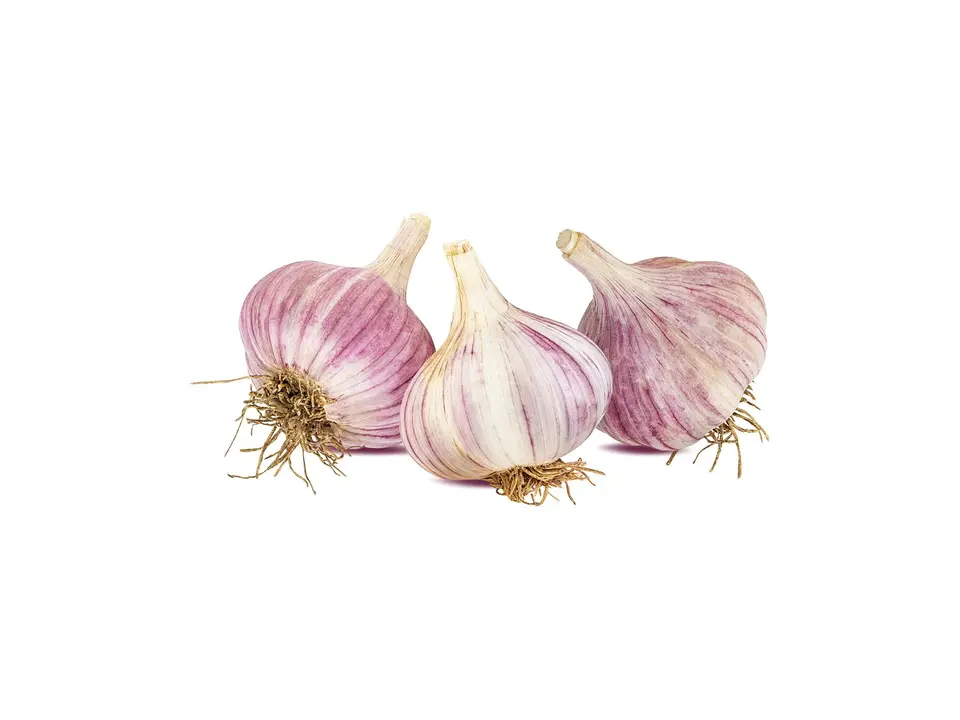
Garlic.
Small Thai cloves with thin skins and a sharp, sweet bite
Coming soon
- Storage
- Keep garlic in a cool, dry, well-ventilated place out of direct sunlight, and peel it just before use.
- Keeps
- Keeps longer than most vegetables in a cool, dry place
- Season
- All year, supply varies
- Origin
- Thailand
- Organic
- Certificate shown for each lot
Thai garlic grows in small heads packed with little cloves, each wrapped in a thin, papery skin that is often pink or purple. It's sharper and more fragrant than the big-cloved kind, and a pan of it frying in oil is one of the most familiar smells in a Thai kitchen. Because the skin is so thin, plenty of cooks don't bother peeling it. They crush the cloves whole and let the skin crisp up in the oil.
Ways to use it
- Crush a few cloves, skins on, and fry them in oil before adding meat or greens to a stir fry.
- Chop finely and fry slowly until golden for kratiam jiao, crisp garlic to scatter over soup, rice porridge and noodles.
- Pound with chilli, coriander root and pepper as the base for many pastes and marinades.
- Fry with pork and pepper for moo kratiam, a plate that goes straight over rice.
- Slice raw and eat on the side with larb or grilled meat.
Storing it
Keep the heads whole in a basket or open bowl in a cool, dry spot with air around them, away from the sun. Break off cloves only as you need them. Garlic that starts to sprout is still fine to cook, though the green shoot can taste a little bitter.
Where it comes from
Grown to certified organic standards. The certificate for each lot is shown when you trace your pack.
Every pack will carry a lot code. Enter it on the Trace your pack page and you will see the farms in that lot, the harvest date and the certificate.
What's inside
In 100 g of the part you eat
- Protein
- 2.1 g
- Fat
- 0.1 g
No single vitamin or mineral reaches 15% of a day's need in 100 g.
Also has
- Potassium 303 mg
- Phosphorus 49 mg
Herbs are eaten a little at a time, so one dish gives a smaller share than shown here.
The % is the share of what a person aged 6 or over needs each day (Thai RDIs, Ministry of Public Health notice No. 445, 2023). The "Good for" line is shown only when 100 g gives 15% or more. Typical values from Thai Food Composition Database, Institute of Nutrition, Mahidol University (Garlic, fresh). Each harvest varies a little.
Good to know.
All guides- Vegetables through the Thai yearThailand has three seasons, and many vegetables grow most easily in the cool months. The rains are harder, especially for tender salad greens.
- Storing leafy greens and herbsLeafy greens last longest cold, humid and unwashed. A few herbs and vegetables are hurt by the fridge, and the sources give temperatures for each.
- Planning a week of fresh ingredientsLook at what is already at home, use the soft produce first, save the food that keeps for later in the week, and leave a meal free for leftovers.
More herbs.
See all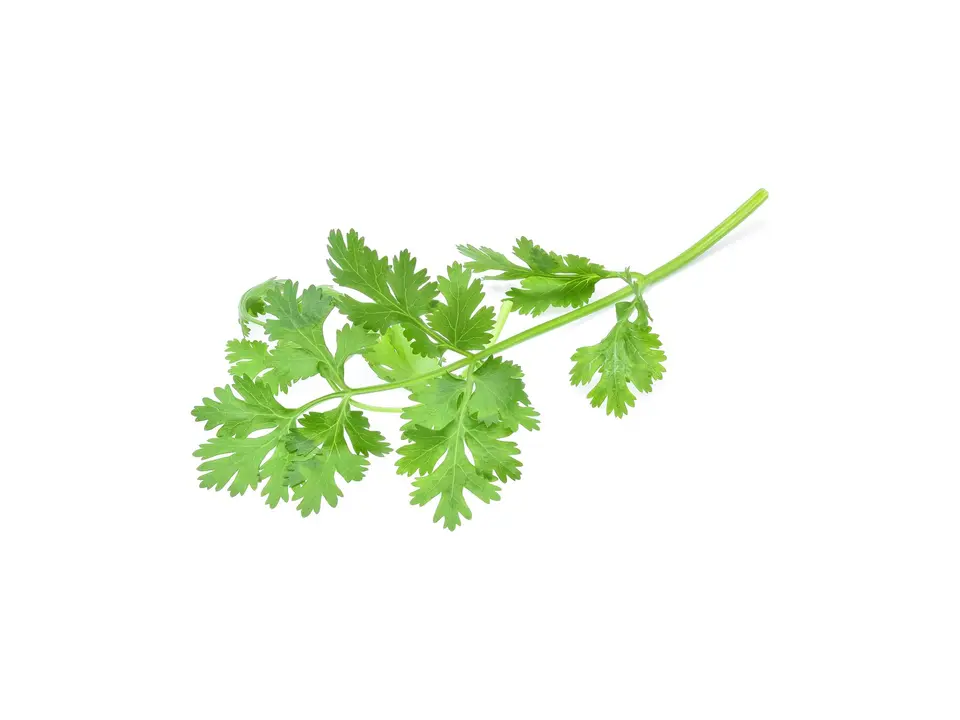 Coming soonHerbsCoriander (phak chi)Lacy, citrusy leaves, with stems and roots worth keeping
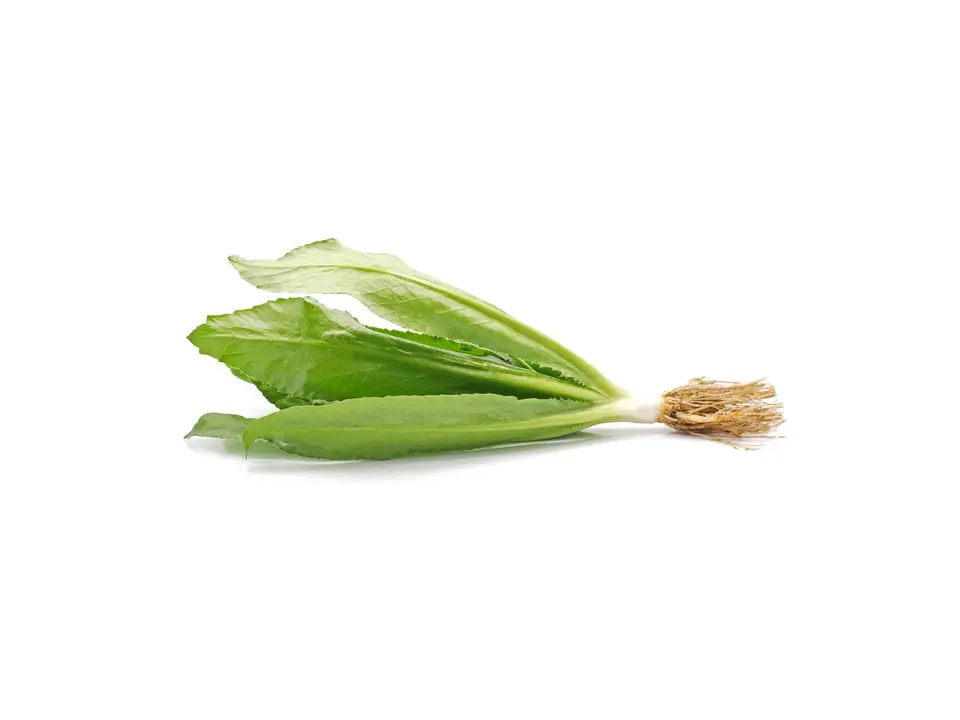 Coming soonHerbsCulantroLong saw-edged leaves with a strong coriander smell, for larb and tom yum
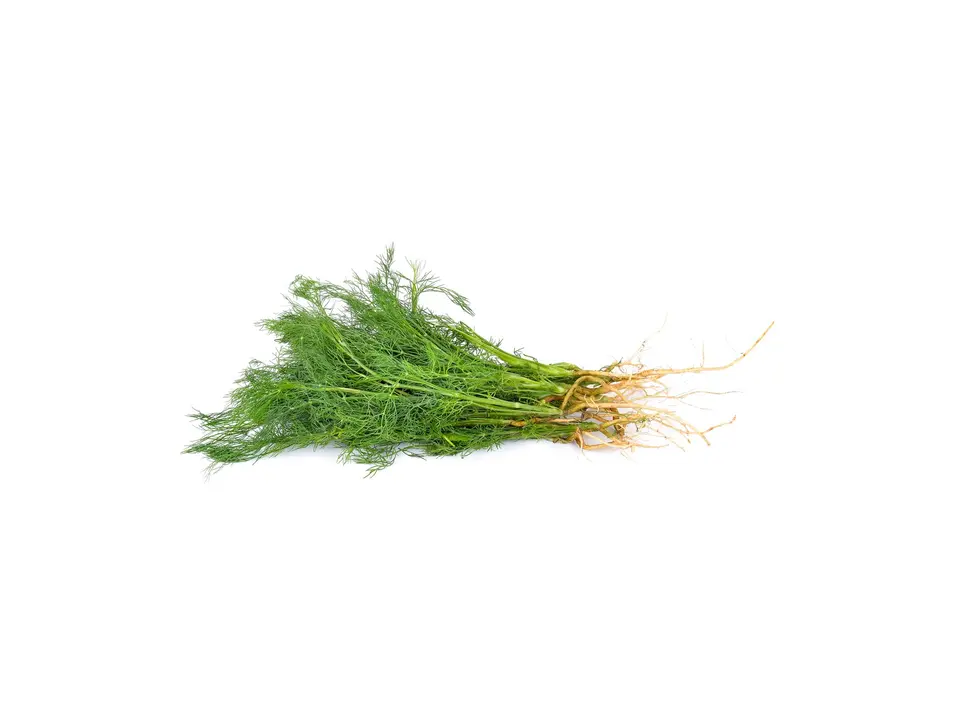 Coming soonHerbsDillFeathery leaves with a fresh, grassy smell, a favourite in Isan cooking
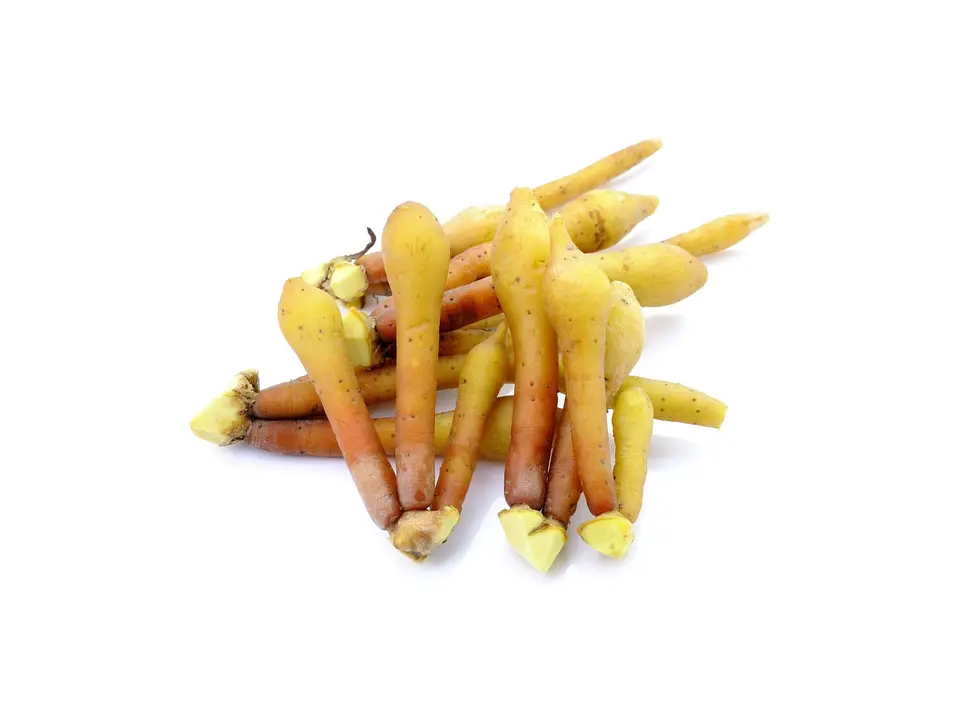 Coming soonHerbsFingerroot (krachai)Bunches of slim golden roots with a warm, earthy bite