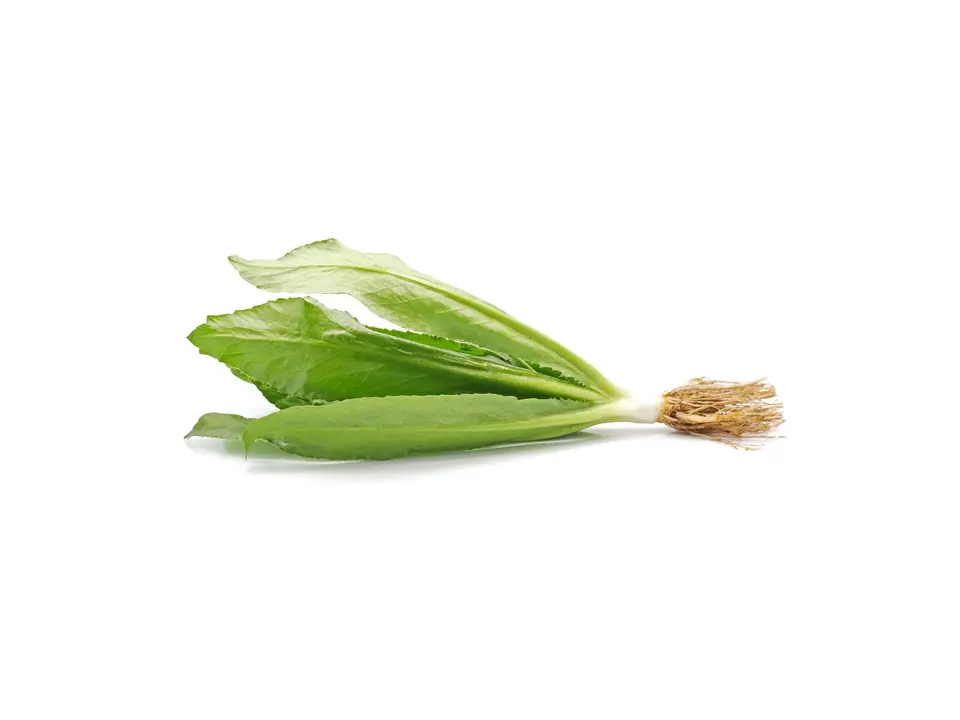
Culantro.
Long saw-edged leaves with a strong coriander smell, for larb and tom yum
Coming soon
- Storage
- Keep the leaves in a bag in the fridge drawer, or stand the stems in a little water, and wash them just before use.
- Keeps
- Best within a few days
- Season
- All year, supply varies
- Origin
- Thailand
- Organic
- Certificate shown for each lot
Culantro, phak chi farang in Thai, looks nothing like coriander. The leaves are long, flat and stiff, with small saw-toothed edges. Rub one between your fingers, though, and the smell is coriander, only stronger and deeper. It holds up to heat better than coriander does, so it can go into a hot soup without going limp at once. In Thai cooking it sits beside mint and spring onion on top of larb and nam tok, and in a bowl of tom yum.
Ways to use it
- Slice thinly across the leaf and toss into larb or nam tok with mint and shallot.
- Tear a few leaves into tom yum or a sour soup just before serving.
- Put whole leaves on the plate of fresh greens beside som tam or grilled meat.
- Chop finely into jaew, the dried chilli dipping sauce of the northeast.
- Add to a bowl of noodle soup with bean sprouts and basil.
Cutting across the leaf in thin strips releases more smell than tearing it.
Storing it
Keep the leaves in a bag in the fridge drawer, or stand the stems in a glass with a little water. They keep their shape for a few days, longer than coriander. Wash them just before use, since soil collects at the base of the leaves.
Where it comes from
Grown to certified organic standards. The certificate for each lot is shown when you trace your pack.
Every pack will carry a lot code. Enter it on the Trace your pack page and you will see the farms in that lot, the harvest date and the certificate.
What's inside
In 100 g of the part you eat
- Protein
- 2.5 g
- Fat
- 0.35 g
Rich in
- Vitamin A434 µg54%
Good for: Helps keep eyesight and skin normal.
- Vitamin B10.31 mg26%
Good for: Helps turn food into energy.
- Vitamin C19 mg19%
Good for: Helps the immune system work normally and helps the body take up iron.
- Vitamin B20.22 mg18%
Good for: Helps turn food into energy and eases tiredness.
The bar shows how much of a day's need 100 g gives.
Also has
- Potassium 439 mg
- Calcium 108 mg
- Iron 2.3 mg
- Vitamin B3 1.2 mg
- Phosphorus 48 mg
Herbs are eaten a little at a time, so one dish gives a smaller share than shown here.
The % is the share of what a person aged 6 or over needs each day (Thai RDIs, Ministry of Public Health notice No. 445, 2023). The "Good for" line is shown only when 100 g gives 15% or more. Typical values from Thai Food Composition Database, Institute of Nutrition, Mahidol University (Culantro, raw). Each harvest varies a little.
Good to know.
All guides- Storing leafy greens and herbsLeafy greens last longest cold, humid and unwashed. A few herbs and vegetables are hurt by the fridge, and the sources give temperatures for each.
- Washing vegetables at homeWhat Thai FDA and the Department of Medical Sciences say about washing vegetables, and what washing can and can't remove.
- Vegetables through the Thai yearThailand has three seasons, and many vegetables grow most easily in the cool months. The rains are harder, especially for tender salad greens.
More herbs.
See all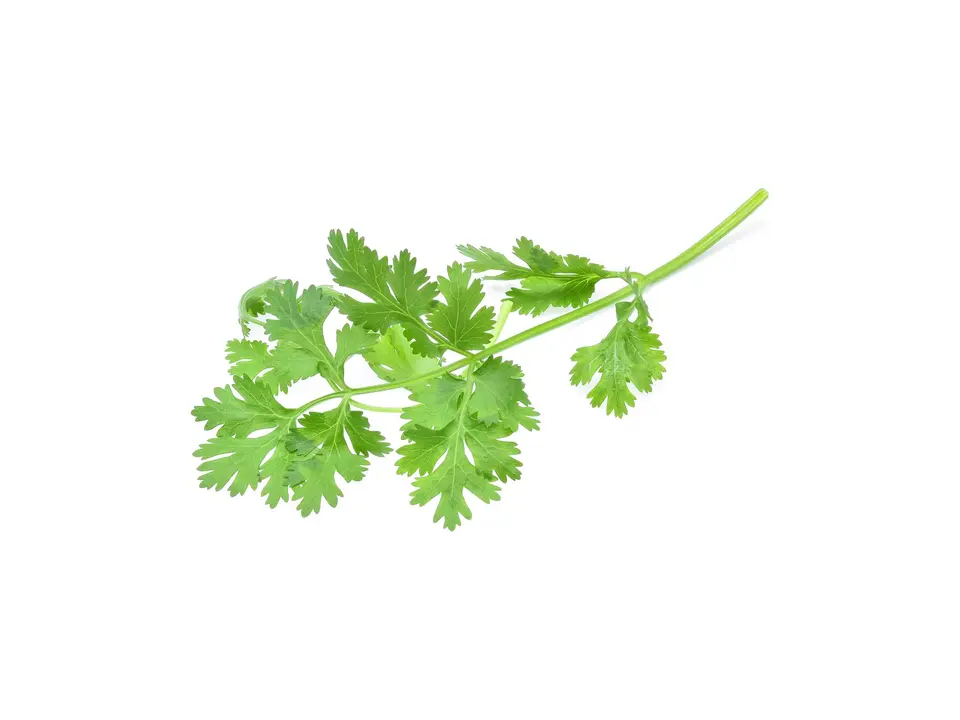 Coming soonHerbsCoriander (phak chi)Lacy, citrusy leaves, with stems and roots worth keeping
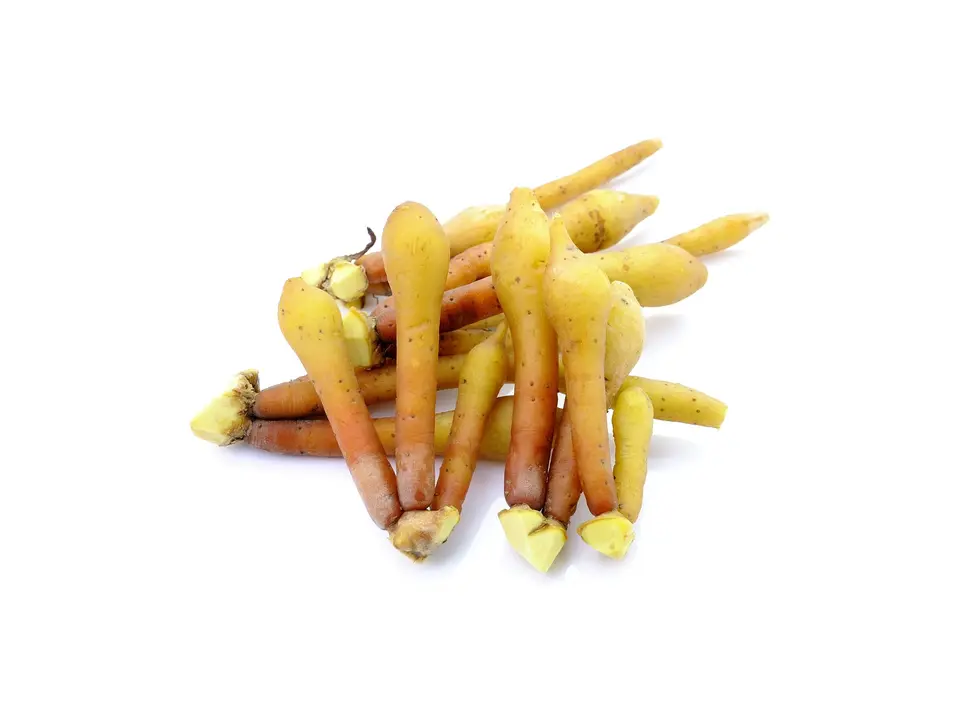 Coming soonHerbsFingerroot (krachai)Bunches of slim golden roots with a warm, earthy bite
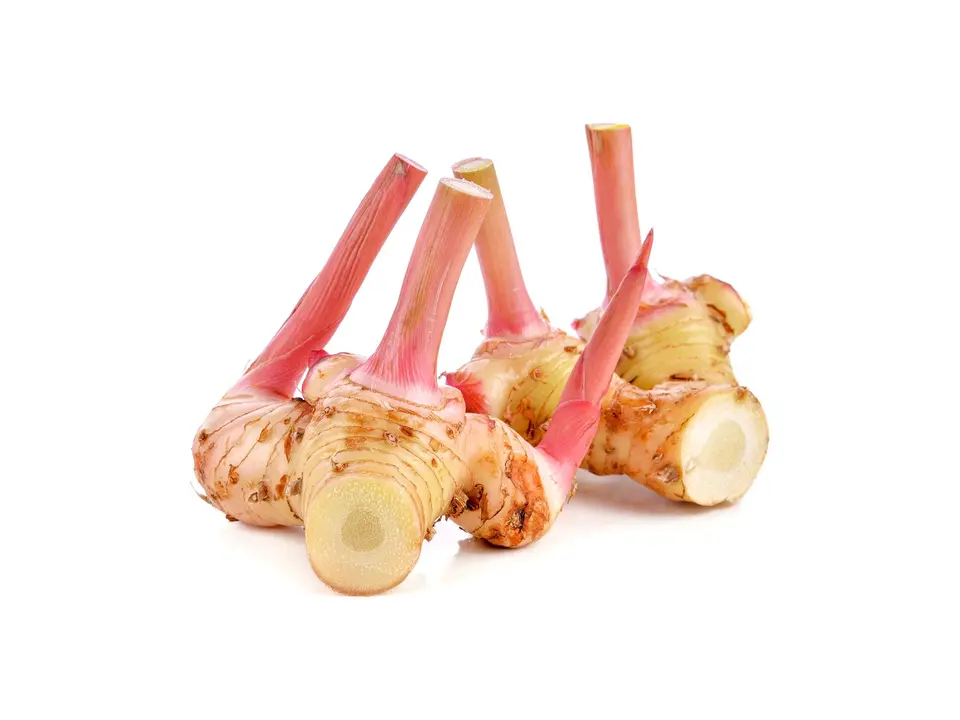 Coming soonHerbsGalangalA hard, pale root with a sharp smell of pine
 Coming soonHerbsLemon basil (maenglak)Small, soft leaves with a clear lemon scent