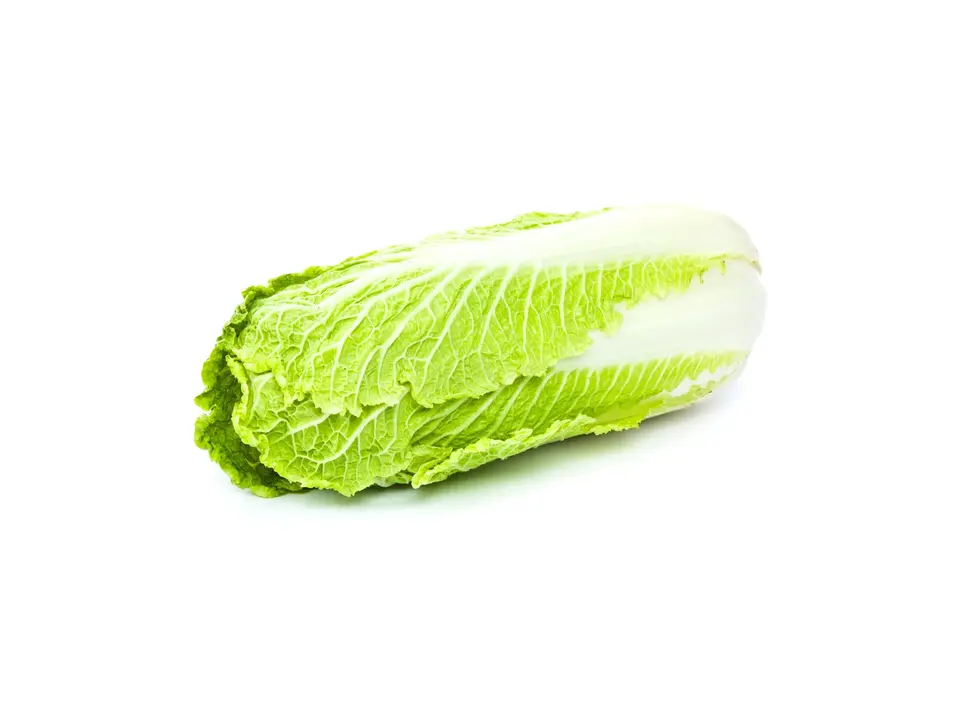
Chinese cabbage.
A long, pale head that turns sweet and silky in soup
Coming soon
- Storage
- Keep the head whole and unwashed in the fridge drawer, and wash the leaves only once you cut them.
- Keeps
- Best within a few days
- Season
- All year, supply varies
- Origin
- Thailand
- Organic
- Certificate shown for each lot
Chinese cabbage, also called napa cabbage, grows as a long, tightly packed head. The leaves are pale yellow-green and crinkled at the top, with wide white ribs that are crisp and full of water. Raw, it's mild and crunchy. Cooked, it goes soft and silky and gives a gentle sweetness to whatever it's simmered in. Thai cooks reach for it in clear soups, in sukiyaki and in quick stir fries, and it's the cabbage most people use for kimchi.
Ways to use it
- Simmer chunks in a clear soup with glass noodles and minced pork.
- Add it to a pot of Thai sukiyaki or hot pot, ribs first, leaves near the end.
- Stir fry with garlic, a splash of fish sauce and a few dried shrimp.
- Slice thinly and toss raw into a salad or a quick pickle.
- Salt the leaves and use them for a homemade kimchi.
Storing it
Leave the head whole and unwashed in the fridge drawer. Peel leaves off from the outside as you need them, since a whole head lasts better than a cut one, and use it within a few days. Rinse each leaf under running water before slicing, paying attention to the base where the ribs meet.
Where it comes from
Grown to certified organic standards. The certificate for each lot is shown when you trace your pack.
Every pack will carry a lot code. Enter it on the Trace your pack page and you will see the farms in that lot, the harvest date and the certificate.
What's inside
In 100 g of the part you eat
- Energy
- 12 kcal
- Protein
- 1.7 g
- Fibre
- 2.1 g
- Fat
- 0.1 g
Rich in
- Vitamin C25 mg25%
Good for: Helps the immune system work normally and helps the body take up iron.
- Vitamin B20.21 mg18%
Good for: Helps turn food into energy and eases tiredness.
The bar shows how much of a day's need 100 g gives.
Also has
- Vitamin B3 1.1 mg
- Vitamin B1 0.07 mg
- Calcium 57 mg
- Potassium 219 mg
- Copper 0.05 mg
- Phosphorus 32 mg
The % is the share of what a person aged 6 or over needs each day (Thai RDIs, Ministry of Public Health notice No. 445, 2023). The "Good for" line is shown only when 100 g gives 15% or more. Typical values from Thai Food Composition Database, Institute of Nutrition, Mahidol University (Chinese cabbage (pak kad khao), raw). Each harvest varies a little.
Good to know.
All guides- Storing leafy greens and herbsLeafy greens last longest cold, humid and unwashed. A few herbs and vegetables are hurt by the fridge, and the sources give temperatures for each.
- Washing vegetables at homeWhat Thai FDA and the Department of Medical Sciences say about washing vegetables, and what washing can and can't remove.
- Vegetables through the Thai yearThailand has three seasons, and many vegetables grow most easily in the cool months. The rains are harder, especially for tender salad greens.
More vegetables.
See all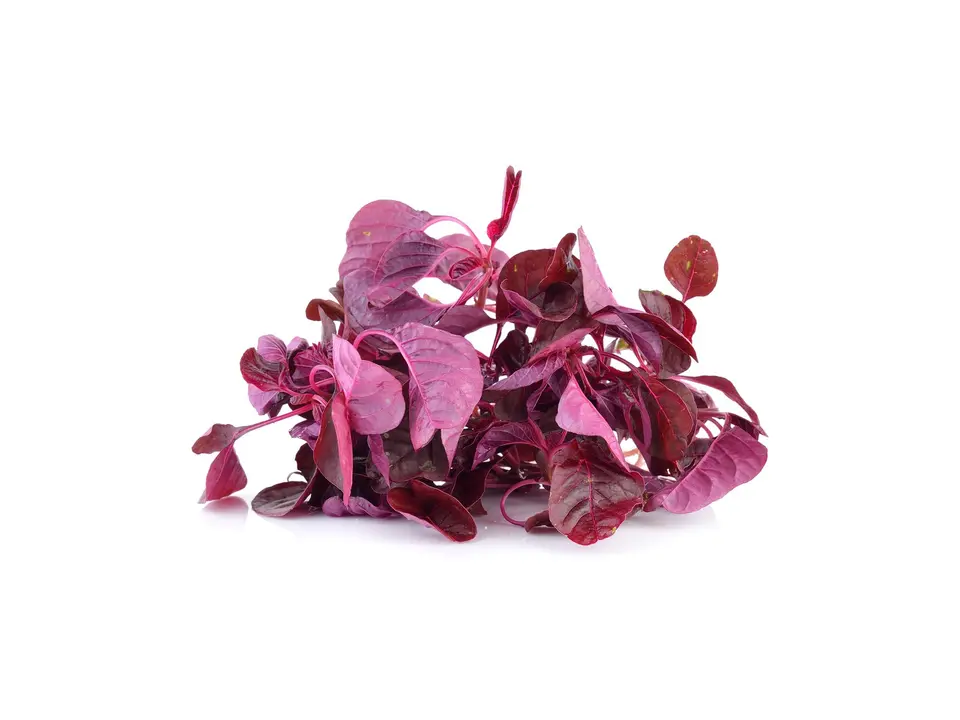 Coming soonVegetablesChinese spinach (amaranth)Soft leaves, deep red or plain green, for soups and stir fries
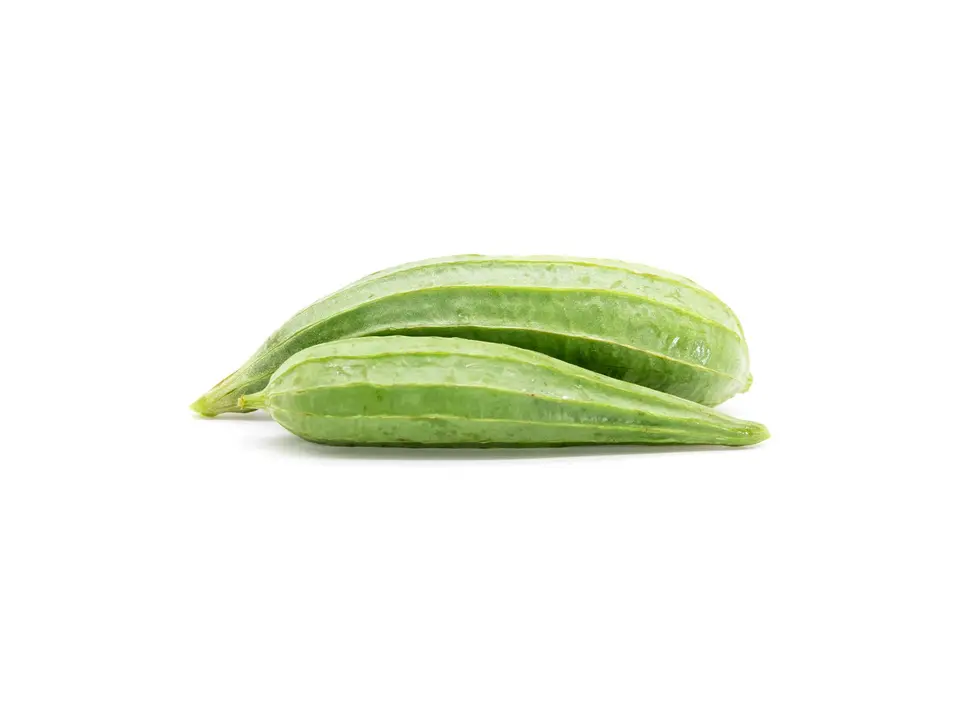 Coming soonVegetablesAngled gourdRidged green gourd that turns soft and sweet in soups and stir fries
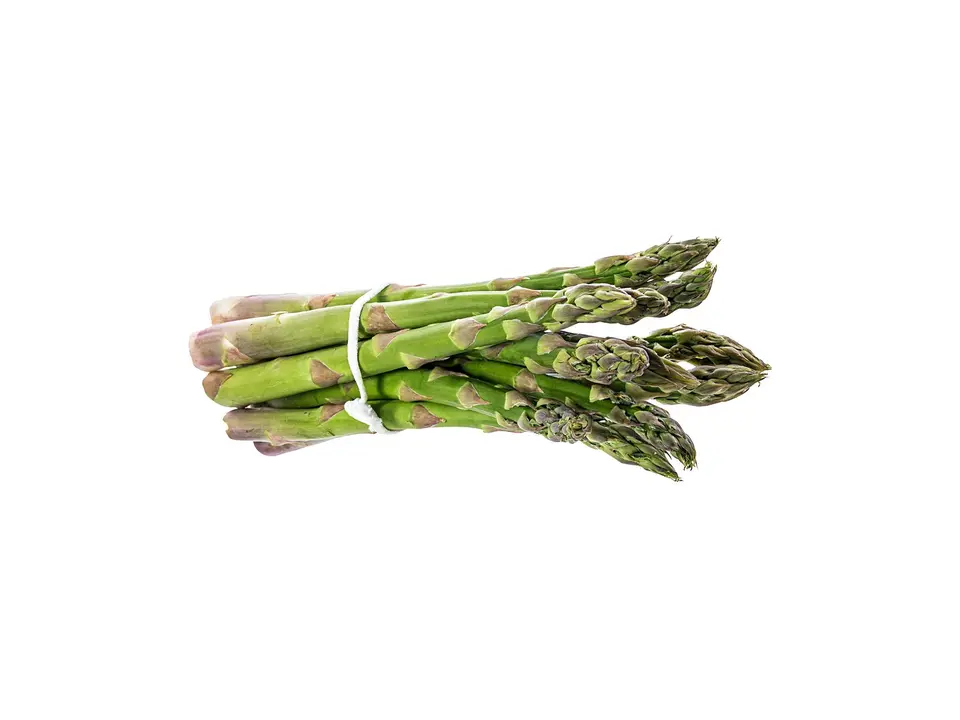 Coming soonVegetablesAsparagusTender green spears for a quick stir fry or the grill
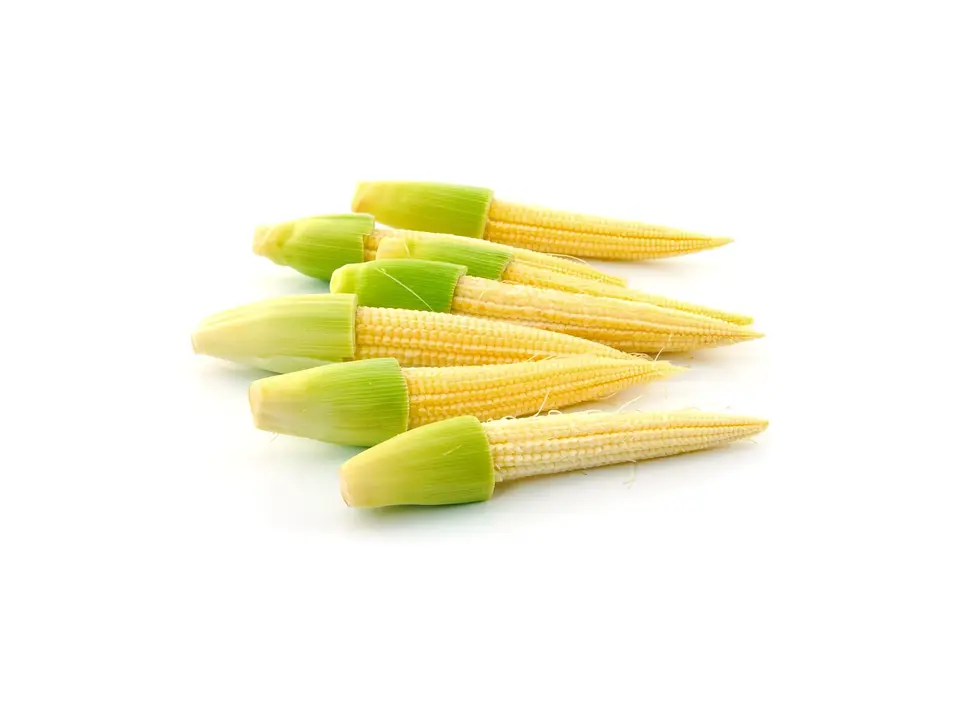 Coming soonVegetablesBaby cornLittle cobs that keep their snap in a hot wok