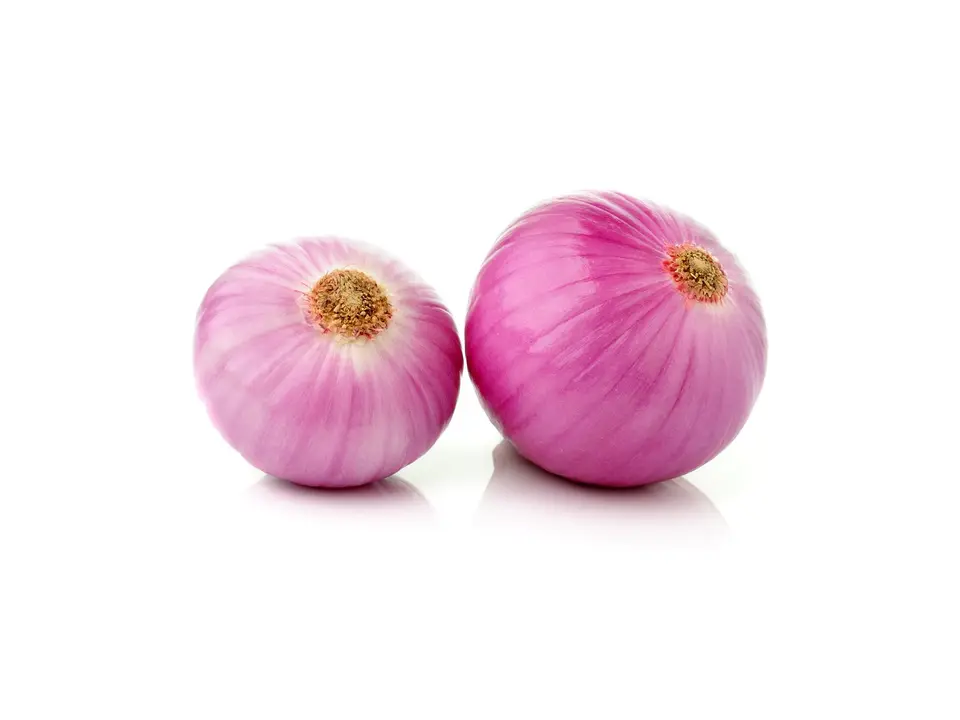
Shallot.
Small red bulbs at the heart of Thai pastes, dips and salads
Coming soon
- Storage
- Keep shallots in a cool, dry, well-ventilated place out of direct sunlight, and peel them just before use.
- Keeps
- Keeps longer than most vegetables in a cool, dry place
- Season
- All year, supply varies
- Origin
- Thailand
- Organic
- Certificate shown for each lot
Hom daeng are the small shallots with thin, red-purple skin, often growing two or three cloves joined at the base. They're milder and sweeter than a big onion, with a scent that turns warm and toasty when they meet heat. Thai cooking leans on them heavily. They go into nearly every curry paste and chilli dip, and fried shallots end up on top of a long list of dishes.
Ways to use it
- Pound them with chilli, garlic, lemongrass and galangal for curry paste.
- Grill them whole in their skins, then pound with grilled chilli for nam prik num or nam prik ta daeng.
- Slice thin and fry slowly in oil until golden for crispy shallots. Keep the oil for stir fries.
- Toss raw slices through a yum salad or larb.
- Serve a few peeled cloves raw beside khao soi, or with fermented pork.
Peeling a pile goes faster if you trim the root end first and soak them in water for a few minutes, so the skin slips off.
Storing it
Keep shallots somewhere cool, dry and well ventilated, out of direct sunlight, in a basket or open bowl rather than a closed bag. That way they keep longer than most fresh vegetables. Peel them just before use, and use peeled or cut shallots the same day, or keep them covered in the fridge.
Where it comes from
Grown to certified organic standards. The certificate for each lot is shown when you trace your pack.
Every pack will carry a lot code. Enter it on the Trace your pack page and you will see the farms in that lot, the harvest date and the certificate.
What's inside
In 100 g of the part you eat
- Energy
- 64 kcal
- Protein
- 2.6 g
- Fibre
- 2.4 g
- Fat
- 0.07 g
No single vitamin or mineral reaches 15% of a day's need in 100 g.
Also has
- Vitamin C 12 mg
- Phosphorus 61 mg
- Copper 0.08 mg
- Potassium 283 mg
- Vitamin B1 0.07 mg
Herbs are eaten a little at a time, so one dish gives a smaller share than shown here.
The % is the share of what a person aged 6 or over needs each day (Thai RDIs, Ministry of Public Health notice No. 445, 2023). The "Good for" line is shown only when 100 g gives 15% or more. Typical values from Thai Food Composition Database, Institute of Nutrition, Mahidol University (Shallot, bulbs). Each harvest varies a little.
Good to know.
All guides- Vegetables through the Thai yearThailand has three seasons, and many vegetables grow most easily in the cool months. The rains are harder, especially for tender salad greens.
- Storing leafy greens and herbsLeafy greens last longest cold, humid and unwashed. A few herbs and vegetables are hurt by the fridge, and the sources give temperatures for each.
- Planning a week of fresh ingredientsLook at what is already at home, use the soft produce first, save the food that keeps for later in the week, and leave a meal free for leftovers.
More herbs.
See all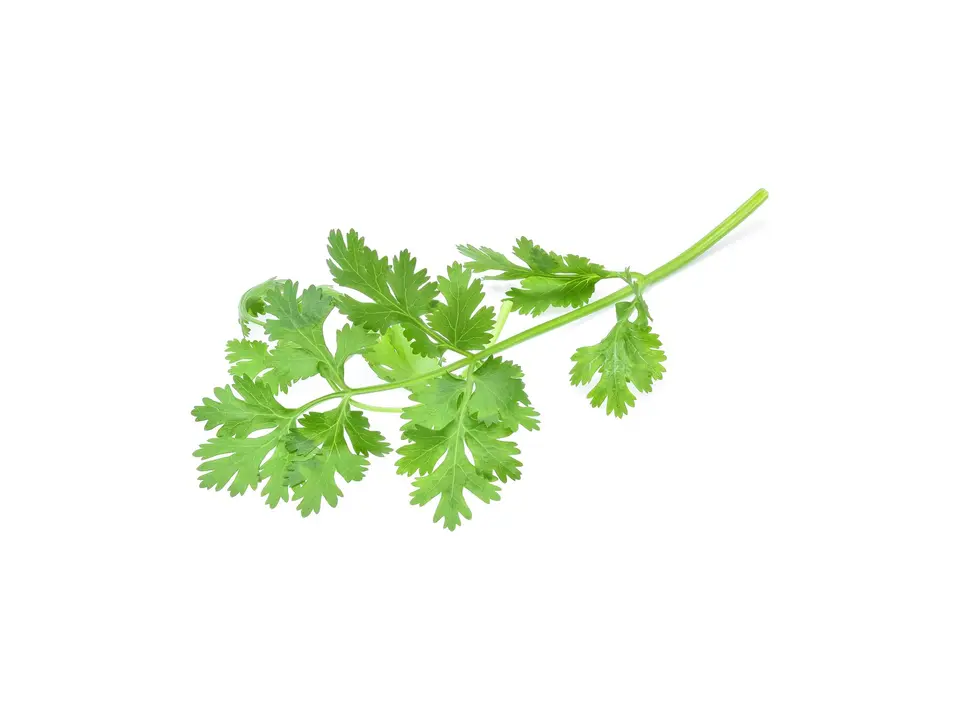 Coming soonHerbsCoriander (phak chi)Lacy, citrusy leaves, with stems and roots worth keeping
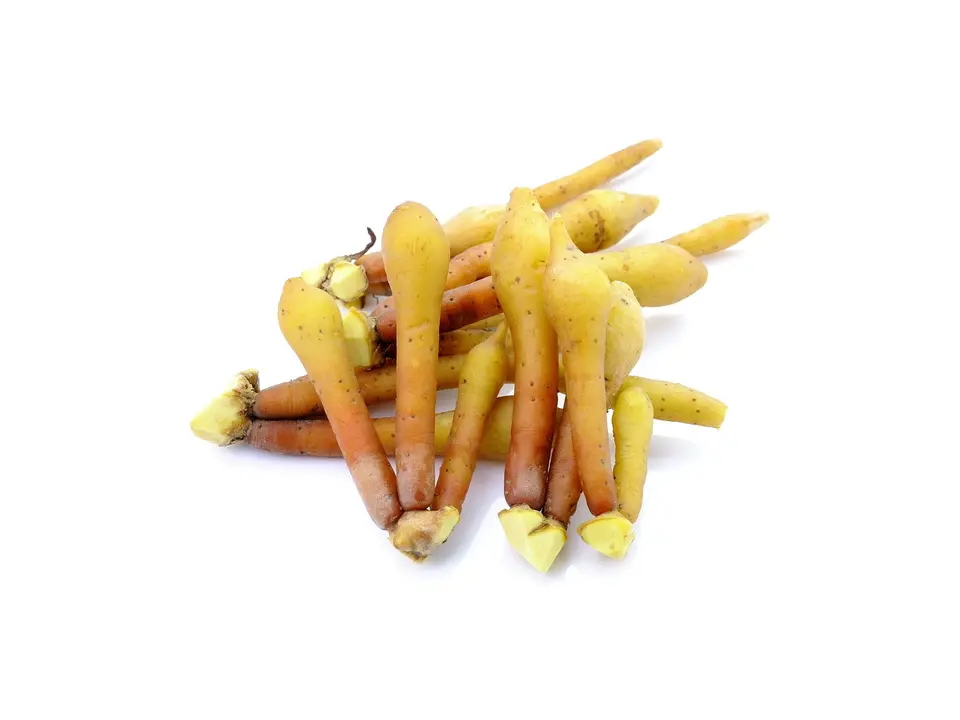 Coming soonHerbsFingerroot (krachai)Bunches of slim golden roots with a warm, earthy bite
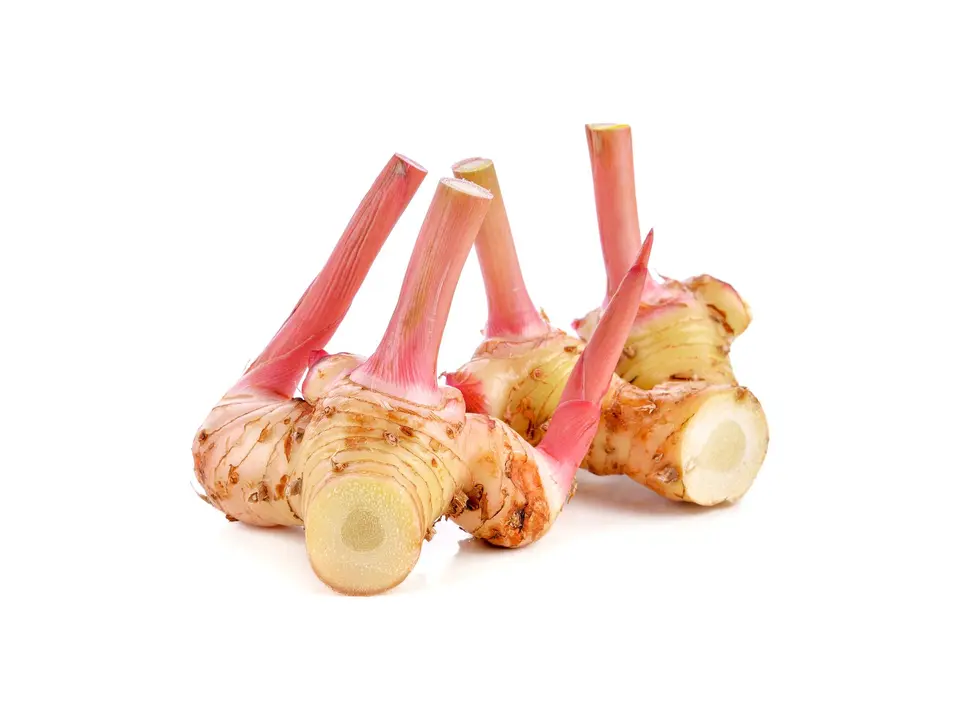 Coming soonHerbsGalangalA hard, pale root with a sharp smell of pine
 Coming soonHerbsLemon basil (maenglak)Small, soft leaves with a clear lemon scent