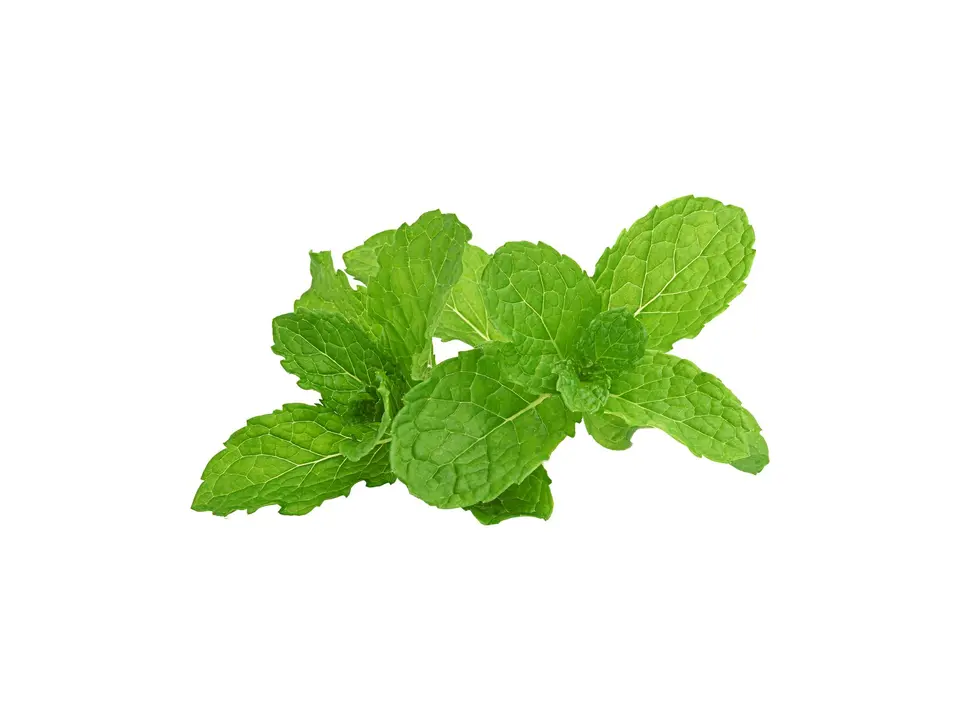
Mint.
Small round leaves with a cool, fresh smell for larb and salads
Coming soon
- Storage
- Stand the stems in a glass of water with a bag placed loosely over the top, or keep the bunch in a bag in the fridge drawer, and wash it just before use.
- Keeps
- Best within 2 to 3 days
- Season
- All year, supply varies
- Origin
- Thailand
- Organic
- Certificate shown for each lot
Sa ra nae is the mint most often found at Thai markets, with small, rounded, slightly crinkled leaves on soft green stems. Rub a leaf and you get a cool, sweet smell that's gentler than the sharp peppermint of sweets and gum. In Thai food it's almost always used fresh and raw, piled into meat salads or served on the side, so it goes in at the very end.
Ways to use it
- Stir a big handful of leaves into larb or nam tok right before serving.
- Add leaves to yum salads, especially the lemongrass salad yum takrai.
- Put whole sprigs on the plate of fresh vegetables served with som tam or larb.
- Bruise a few leaves into iced lime juice or a glass of cold water.
- Chop it with coriander and spring onion as a fresh topping for rice porridge.
Pick the leaves off the stems and add them whole or roughly torn. Chopping too fine bruises them and they darken.
Storing it
Stand the stems in a glass of water with a bag sitting loosely over the leaves, or keep the bunch in a plastic bag in the fridge drawer. Expect it to last about 2 to 3 days. Since mint is eaten raw, wash it well just before use. Swish it in a bowl of clean water, then rinse it under running water.
Where it comes from
Grown to certified organic standards. The certificate for each lot is shown when you trace your pack.
Every pack will carry a lot code. Enter it on the Trace your pack page and you will see the farms in that lot, the harvest date and the certificate.
What's inside
In 100 g of the part you eat
- Energy
- 34 kcal
- Protein
- 3.2 g
- Fibre
- 5.6 g
- Fat
- 0.67 g
Rich in
- Vitamin A225 µg28%
Good for: Helps keep eyesight and skin normal.
- Calcium264 mg26%
Good for: Needed for normal bones and teeth.
- Fibre5.6 g22%
Good for: Helps keep digestion regular.
- Iron4.7 mg21%
Good for: Helps make red blood cells, which carry oxygen.
The bar shows how much of a day's need 100 g gives.
Also has
- Vitamin C 12 mg
- Vitamin B1 0.11 mg
- Phosphorus 60 mg
- Vitamin B3 0.8 mg
- Potassium 158 mg
Herbs are eaten a little at a time, so one dish gives a smaller share than shown here.
The % is the share of what a person aged 6 or over needs each day (Thai RDIs, Ministry of Public Health notice No. 445, 2023). The "Good for" line is shown only when 100 g gives 15% or more. Typical values from Thai Food Composition Database, Institute of Nutrition, Mahidol University (Kitchen Mint or Marsh Mint, leaves). Each harvest varies a little.
Good to know.
All guides- Storing leafy greens and herbsLeafy greens last longest cold, humid and unwashed. A few herbs and vegetables are hurt by the fridge, and the sources give temperatures for each.
- Washing vegetables at homeWhat Thai FDA and the Department of Medical Sciences say about washing vegetables, and what washing can and can't remove.
- Vegetables through the Thai yearThailand has three seasons, and many vegetables grow most easily in the cool months. The rains are harder, especially for tender salad greens.
More herbs.
See all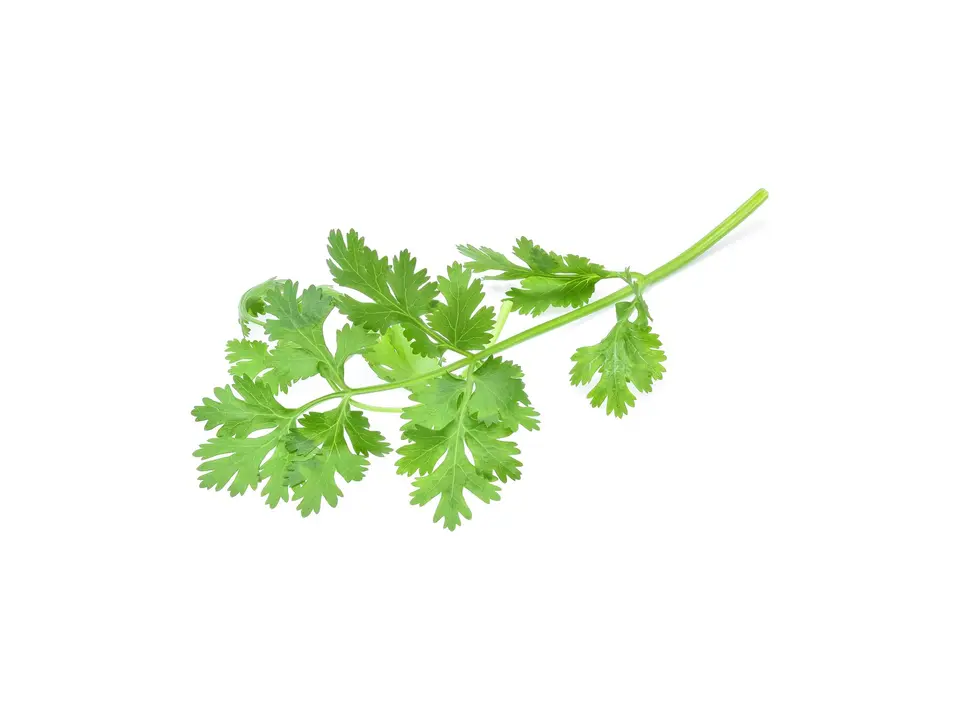 Coming soonHerbsCoriander (phak chi)Lacy, citrusy leaves, with stems and roots worth keeping
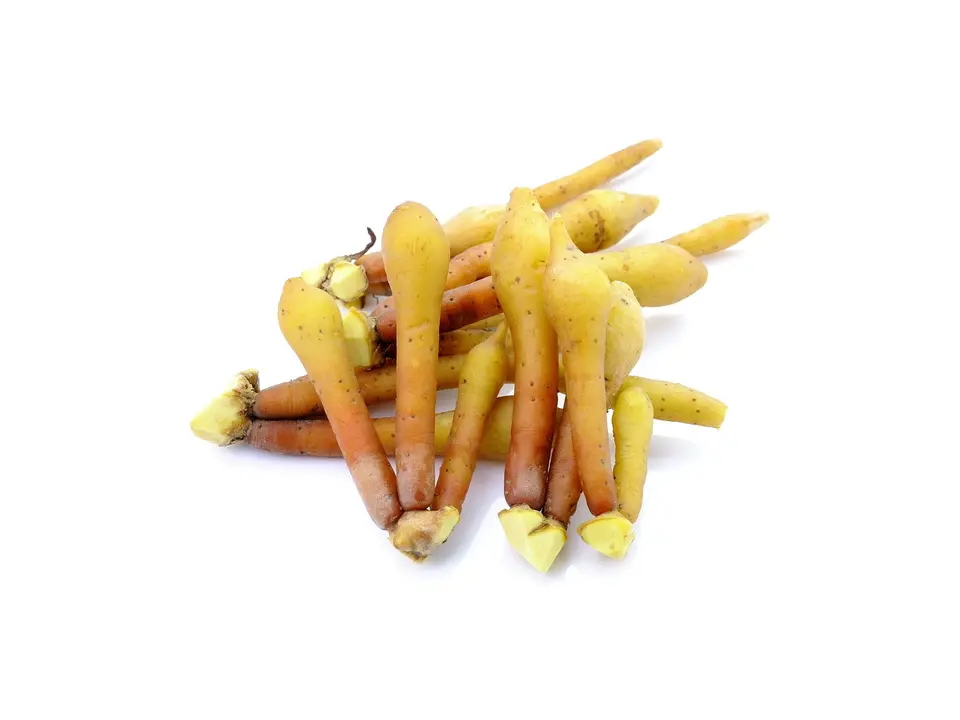 Coming soonHerbsFingerroot (krachai)Bunches of slim golden roots with a warm, earthy bite
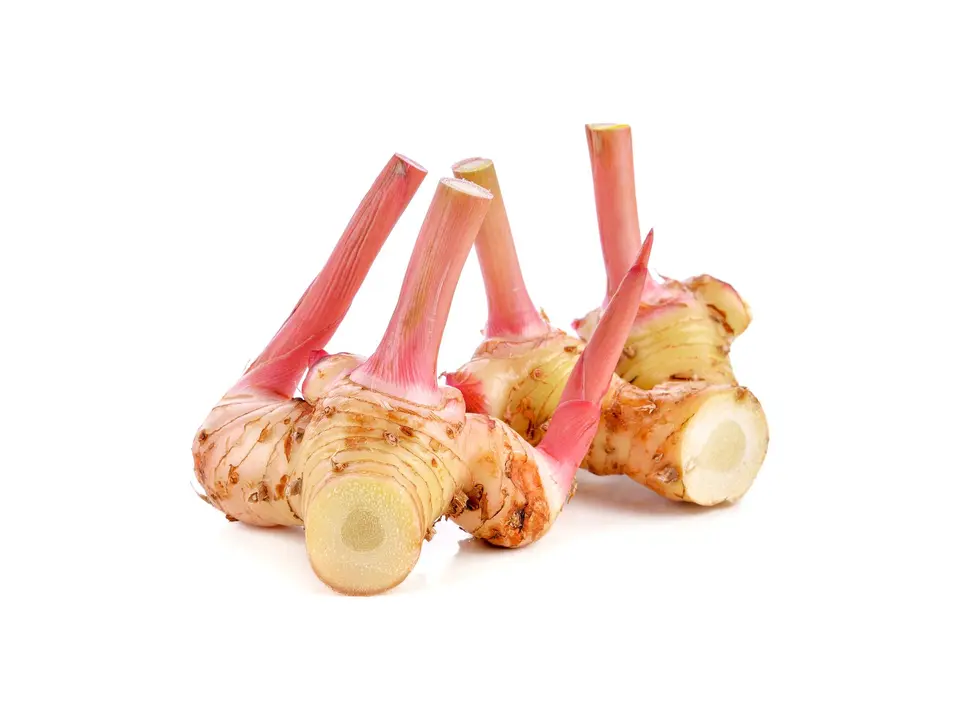 Coming soonHerbsGalangalA hard, pale root with a sharp smell of pine
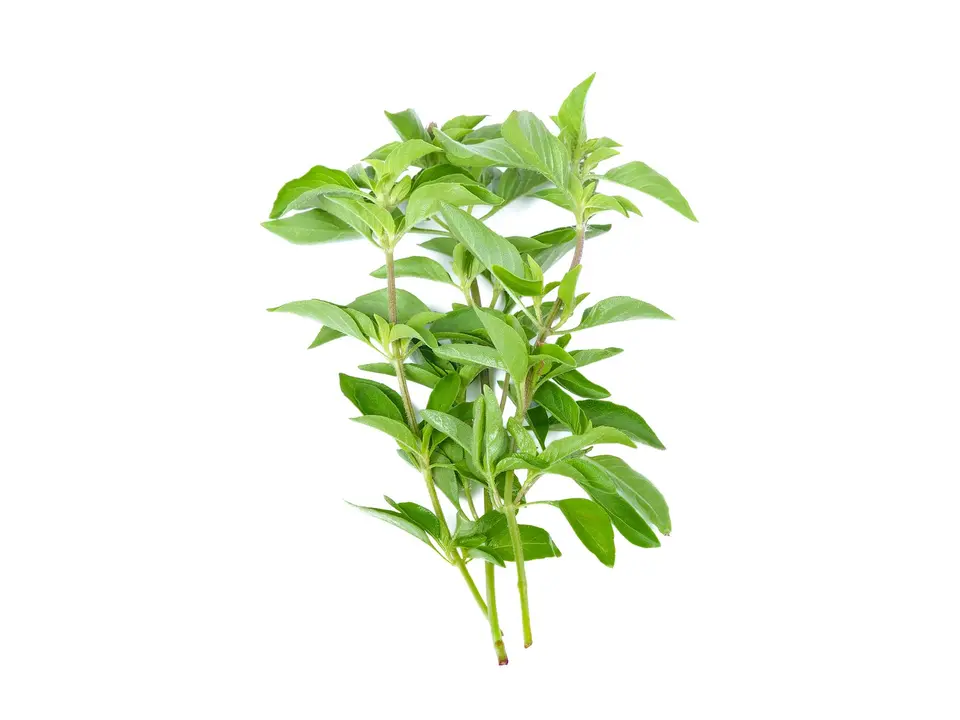 Coming soonHerbsLemon basil (maenglak)Small, soft leaves with a clear lemon scent