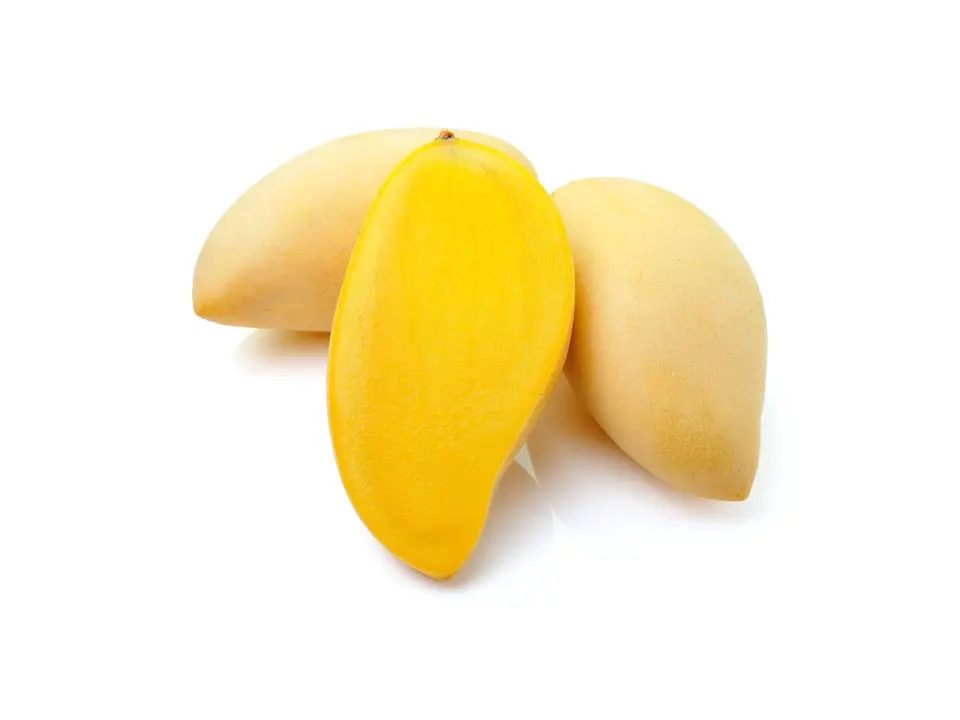
Nam dok mai mango.
A slim mango that turns golden, sweet and fragrant as it ripens
Coming soon
- Storage
- Ripen at room temperature, then refrigerate if needed, as mango stored below about 13 degrees Celsius can ripen unevenly.
- Keeps
- Best within a few days once ripe
- Season
- Mainly March to June, supply varies
- Origin
- Thailand
- Organic
- Certificate shown for each lot
Nam dok mai is the long, slim mango that goes from green to golden yellow as it ripens. The flesh is smooth and fragrant, and the stone inside is thin. It's a favourite for dessert, though a ripe one, sliced and eaten with a spoon, hardly needs anything else.
Ways to use it
- Slice it next to sticky rice and spoon some coconut cream over the top.
- Cube it into a fruit bowl or a bowl of yogurt.
- Blend into a thick smoothie, or freeze into ice lollies.
- Score the cheeks in a grid and push the skin outward, so the cubes stand up and come away easily.
- Slice firm, unripe fruit thinly for a sharp, sour salad.
Storing it
Mango keeps ripening after harvest, so a firm one can wait on the counter at room temperature. Don't start it in the fridge. Below about 13 degrees Celsius, mango can get grey skin, ripen unevenly and taste of very little. Once it's ripe, the fridge will make it last longer.
Large volumes reach the market from about March to June. Outside those months there is less, so treat the season as a rough guide.
Where it comes from
Grown to certified organic standards. The certificate for each lot is shown when you trace your pack.
Every pack will carry a lot code. Enter it on the Trace your pack page and you will see the farms in that lot, the harvest date and the certificate.
What's inside
In 100 g of the part you eat
- Energy
- 73 kcal
- Protein
- 0.65 g
- Fibre
- 1.1 g
- Fat
- 0.23 g
No single vitamin or mineral reaches 15% of a day's need in 100 g.
Also has
- Vitamin B3 1.8 mg
- Vitamin C 10 mg
- Copper 0.09 mg
- Vitamin B1 0.11 mg
- Vitamin A 49 µg
- Vitamin B2 0.06 mg
The % is the share of what a person aged 6 or over needs each day (Thai RDIs, Ministry of Public Health notice No. 445, 2023). The "Good for" line is shown only when 100 g gives 15% or more. Typical values from Thai Food Composition Database, Institute of Nutrition, Mahidol University (Mango, Num-dok-mai variety, ripe). Each harvest varies a little.
Cook with it.
All recipes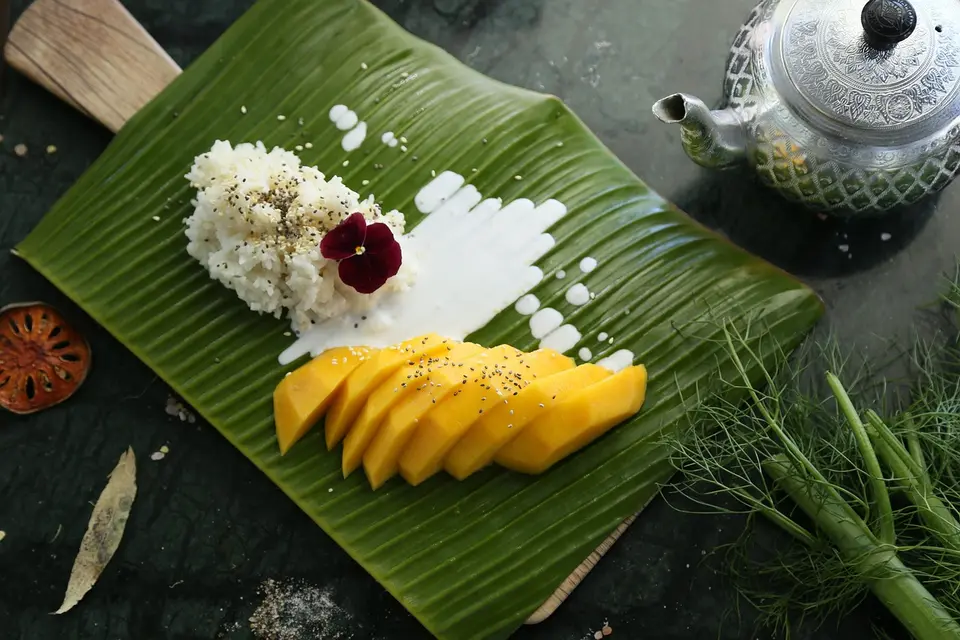
Good to know.
All guides- Storing fruit at homeWhich fruit goes in the fridge and which stays out, why a cold fridge can spoil a banana or mango, and why ripening fruit needs its own space.
- Ripening fruit at homeA hard mango will soften on the counter, a sour pineapple won't. Which fruits ripen after picking, and how a paper bag speeds them up.
- Thai fruit through the yearWhen the main Thai fruits are harvested, going by Department of Agricultural Extension figures, and why the same fruit turns up in different months.
More fruit.
See all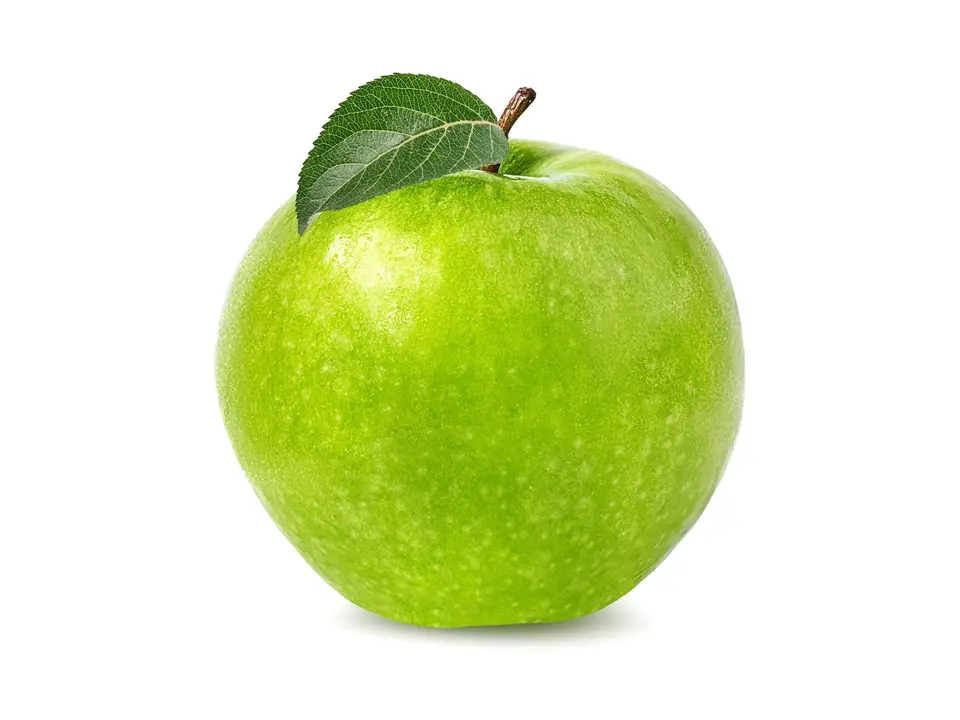 Coming soonFruitGreen appleBright green, crisp and sour, with a clean sharp bite
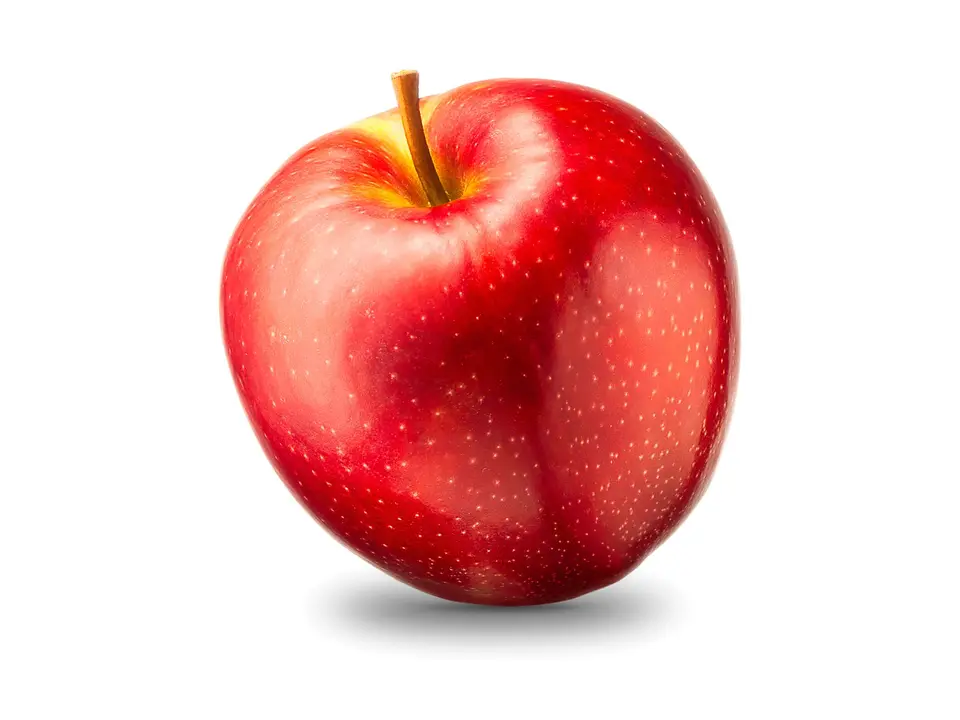 Coming soonFruitRed appleCrisp, juicy and sweet, for lunch boxes, salads and baking
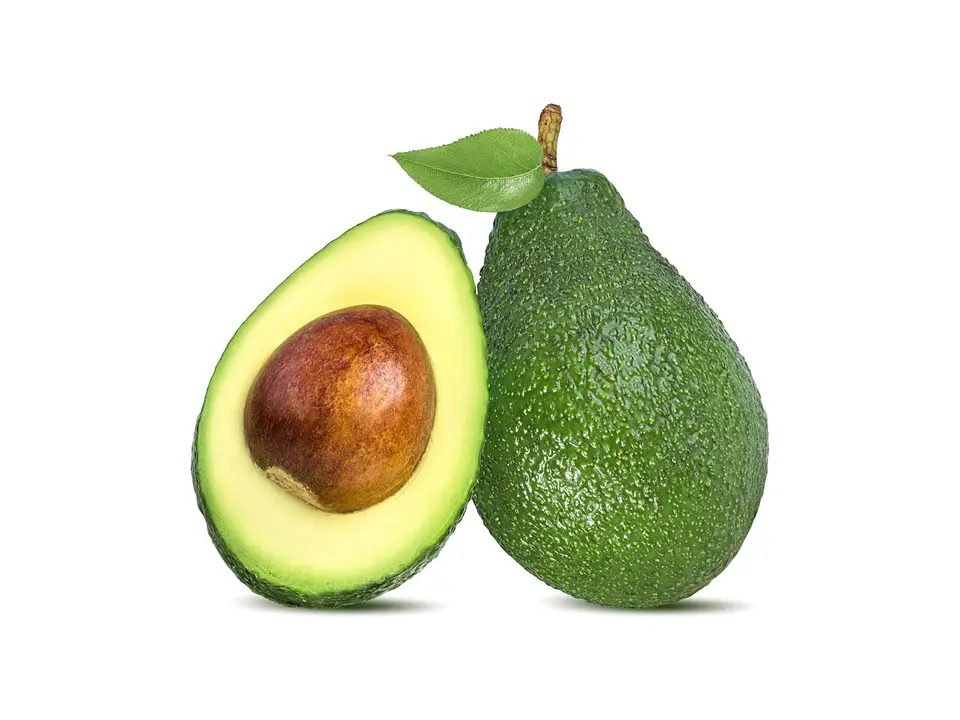 Coming soonFruitAvocadoButtery green flesh for toast, salads and smoothies
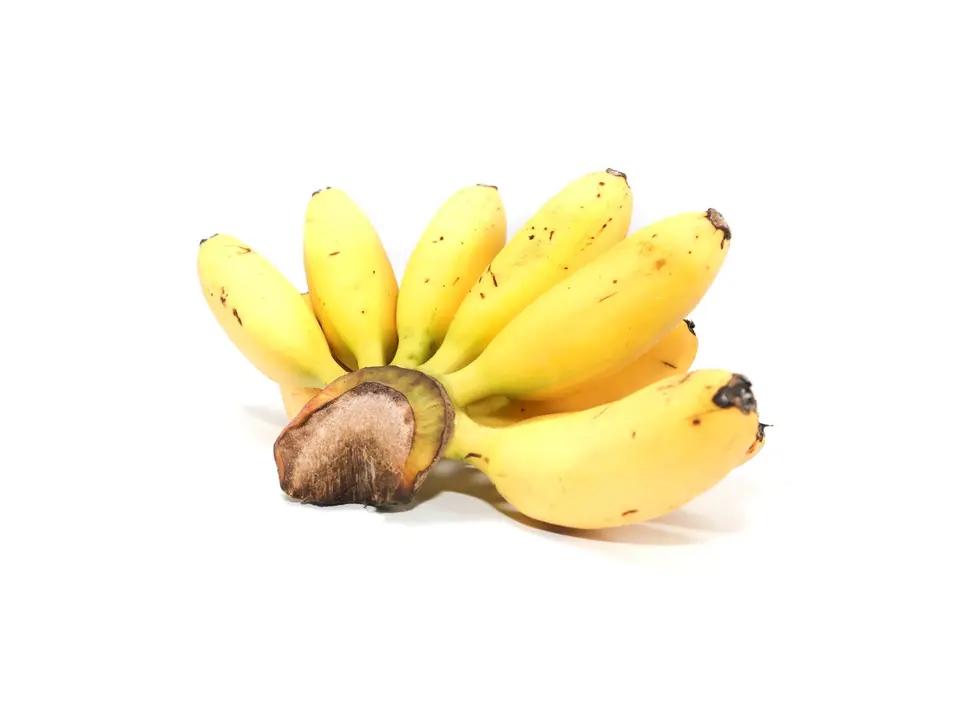 Coming soonFruitLady finger bananas (kluai khai)Small, thin-skinned bananas with golden, sweet flesh