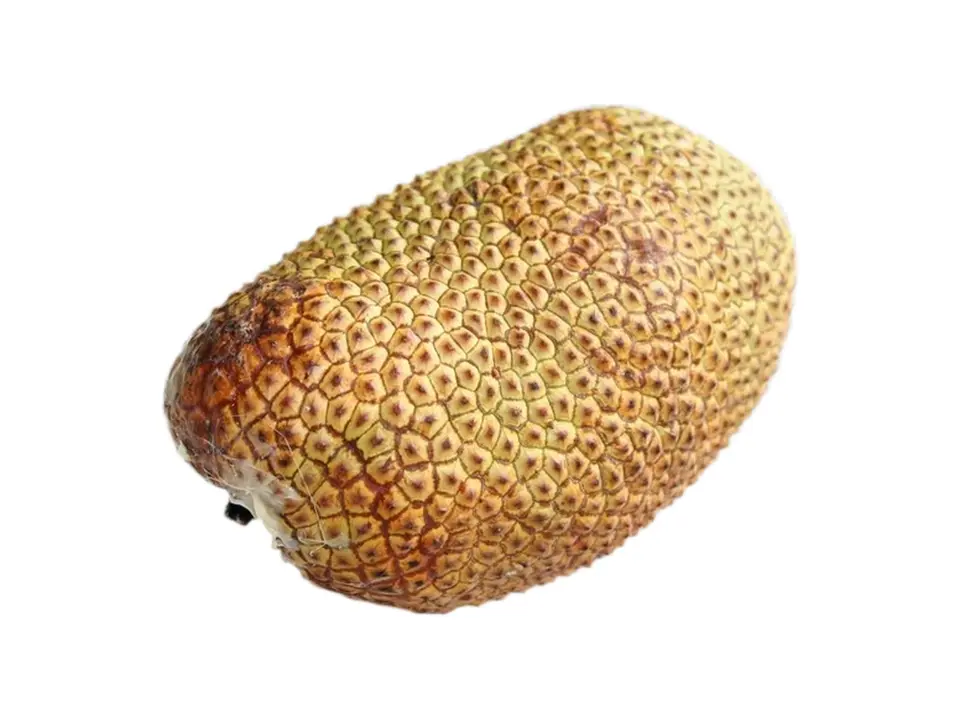
Cempedak.
A smaller cousin of jackfruit with soft, sweet orange bulbs
Coming soon
- Storage
- Keep the whole fruit at room temperature until ripe, then store the opened bulbs in a closed box in the fridge.
- Keeps
- Best within a day or two once ripe
- Season
- All year, supply varies
- Origin
- Thailand
- Organic
- Certificate shown for each lot
Cempedak, champada in Thai, is a close relative of jackfruit and is grown mostly in southern Thailand. The fruit is smaller and longer than a jackfruit, with a bumpy skin that turns from green to yellowish brown as it ripens. Inside are soft bulbs of orange-yellow flesh, each wrapped around a seed. They are softer and creamier than jackfruit, very sweet, with a strong, rich aroma you notice as soon as the fruit is opened.
Ways to use it
- Pull the ripe bulbs away from the core and eat them as they are.
- Dip whole bulbs in a light batter and deep-fry until golden for a well-known southern snack.
- Boil or roast the seeds until tender, then peel and eat them warm.
Storing it
A cempedak ripens quickly once picked. It is ready when the skin gives slightly and the smell is strong. Open it within a day or two of ripening. The core is sticky, so oil your knife and hands first. Store the bulbs in a sealed container in the fridge to keep the smell in, and eat them soon.
Where it comes from
Grown to certified organic standards. The certificate for each lot is shown when you trace your pack.
Every pack carries a lot code. Enter it on the Trace your pack page to see the farms in that lot, the harvest date and the certificate.
What's inside
No figures yet: this food is not in the official food tables (Thai Food Composition Database of Mahidol University, and USDA FoodData Central).
Good to know.
All guides- Storing fruit at homeWhich fruit goes in the fridge and which stays out, why a cold fridge can spoil a banana or mango, and why ripening fruit needs its own space.
- Ripening fruit at homeA hard mango will soften on the counter, a sour pineapple won't. Which fruits ripen after picking, and how a paper bag speeds them up.
More fruit.
See all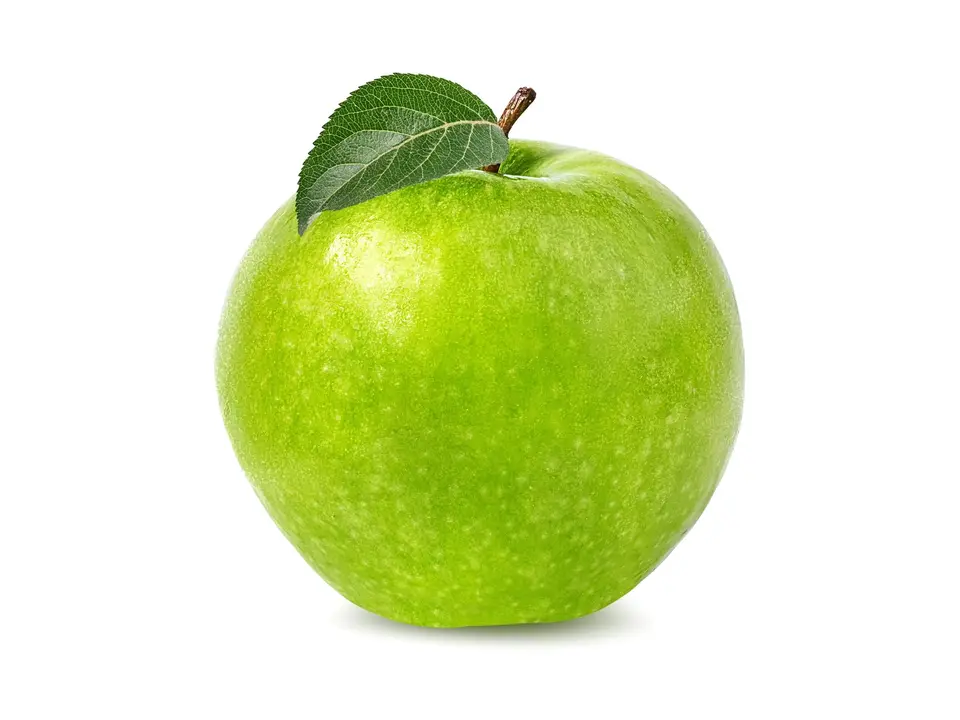 Coming soonFruitGreen appleBright green, crisp and sour, with a clean sharp bite
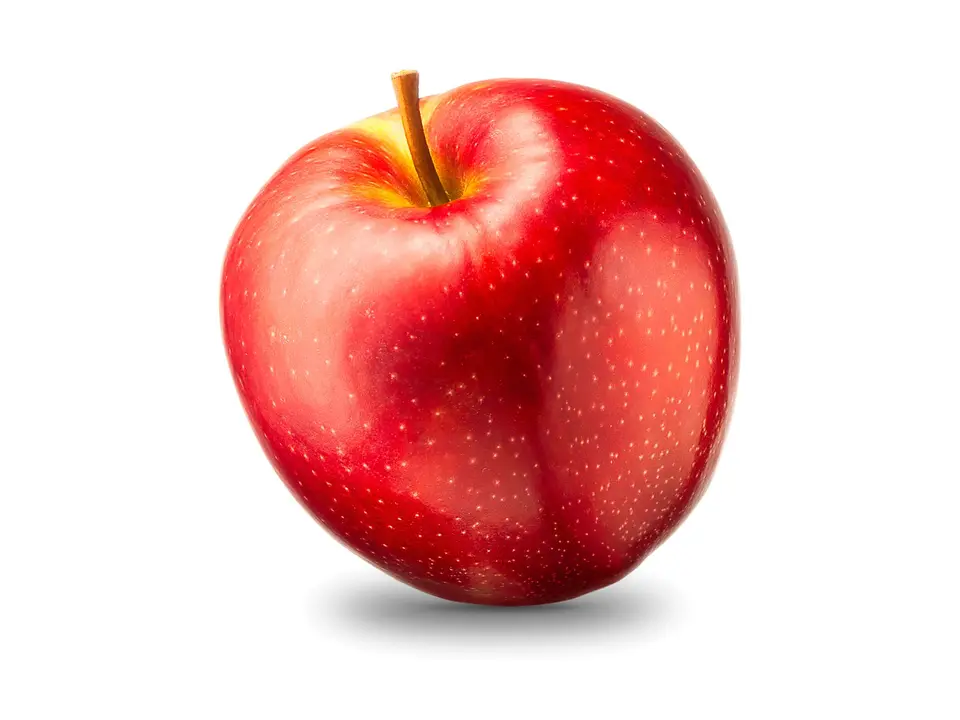 Coming soonFruitRed appleCrisp, juicy and sweet, for lunch boxes, salads and baking
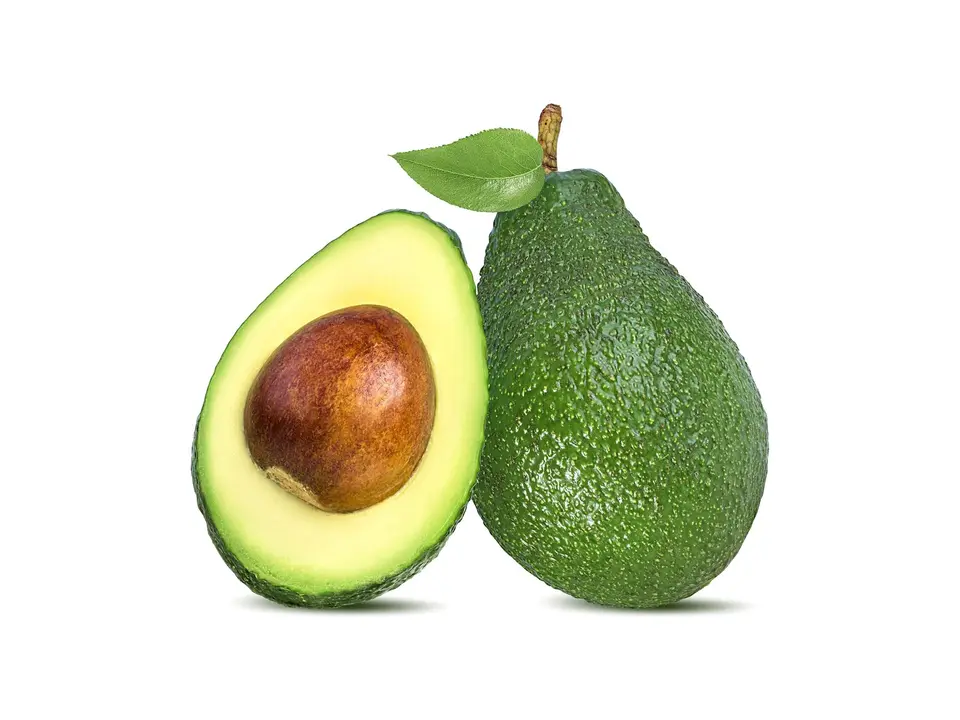 Coming soonFruitAvocadoButtery green flesh for toast, salads and smoothies
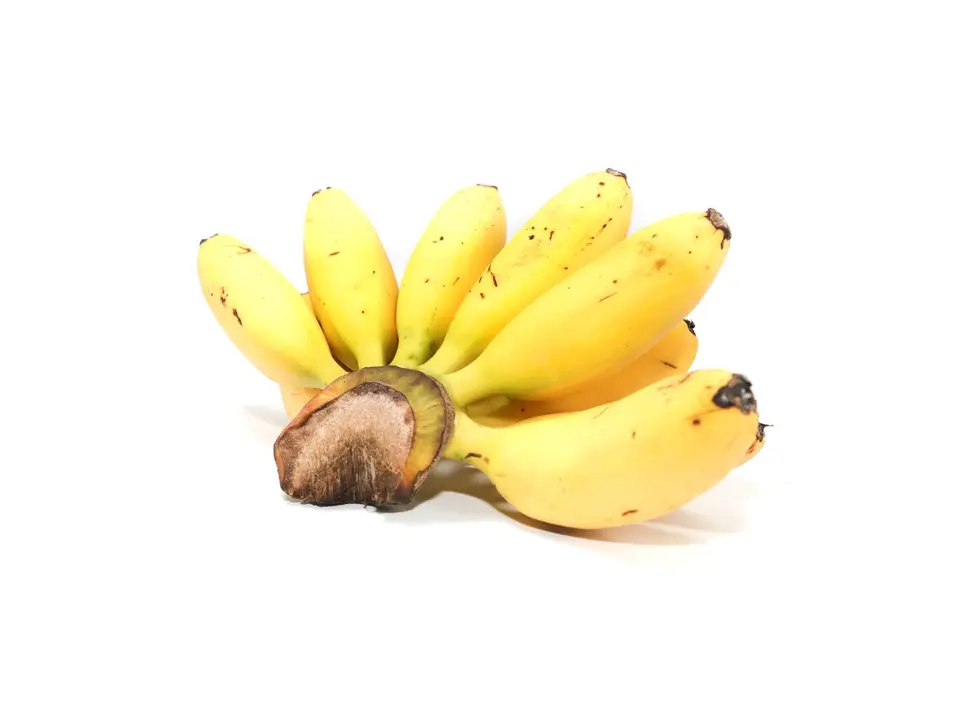 Coming soonFruitLady finger bananas (kluai khai)Small, thin-skinned bananas with golden, sweet flesh