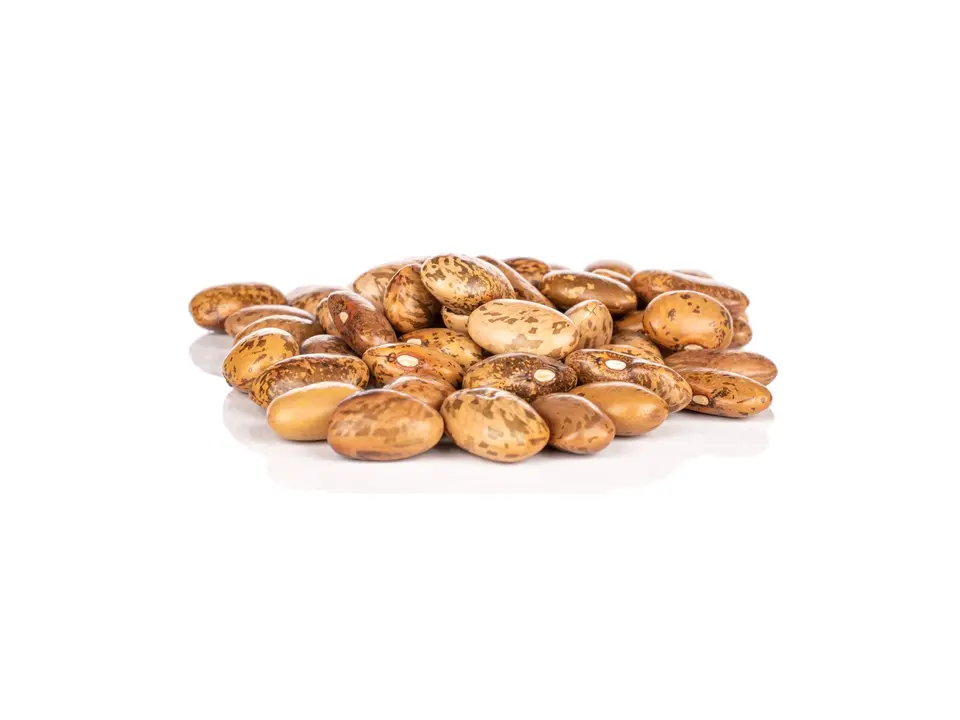
Pinto beans.
Speckled beans that cook up soft, creamy and earthy
Coming soon
- Storage
- Keep in a cool, dry place in a sealed container, away from sunlight.
- Keeps
- See the best-before date on the pack
- Season
- All year
- Origin
- Shown for each lot
- Organic
- Certificate shown for each lot
Pinto beans are medium oval beans with a pale beige skin splashed with reddish brown, which is where the name, meaning painted, comes from. The speckles fade as they cook, and the beans turn an even pinkish brown. Inside they become very soft and creamy, with an earthy taste. They're the bean most people know from refried beans and slow-cooked bean stews.
Ways to use it
- Simmer with onion, garlic and a bay leaf, then mash in a pan with a little oil for refried beans.
- Cook into a stew with tomato, chilli, cumin and onion, and serve with rice.
- Spoon whole cooked beans into wraps with rice, salsa and shredded cabbage.
- Add to a vegetable soup for body.
- Blend cooked beans with garlic, lime juice and a little cooking water for a bean dip.
Rinse the beans, soak them overnight in plenty of water, then drain. Cover with fresh water and simmer for about 1 to 1.5 hours, until they are soft enough to squash between two fingers. Add salt near the end.
Storing it
Keep the sealed pack in a cool, dry cupboard away from sunlight. Once opened, move the beans into a jar with a tight lid. Cooked beans keep in the fridge once cool, and freeze well in their cooking liquid.
Where it comes from
Grown to certified organic standards. The certificate for each lot is shown when you trace your pack.
Every pack will carry a lot code. Enter it on the Trace your pack page and you will see the farms in that lot, the packing date and the certificate.
What's inside
In 100 g, dry, before cooking
- Energy
- 347 kcal
- Protein
- 21.4 g
- Fibre
- 15.5 g
- Fat
- 1.2 g
Rich in
- Folate525 µg131%
Good for: Helps the body make blood and eases tiredness.
- Copper0.89 mg99%
Good for: Helps the immune system and moves iron around the body.
- Fibre15.5 g62%
Good for: Helps keep digestion regular.
- Vitamin B10.71 mg59%
Good for: Helps turn food into energy.
- Phosphorus411 mg59%
Good for: Needed for normal bones and teeth.
- Magnesium176 mg57%
Good for: Helps muscles work normally and eases tiredness.
The bar shows how much of a day's need 100 g gives.
Also has
- Selenium 27.9 µg
- Potassium 1,393 mg
- Manganese 1.1 mg
- Vitamin B6 0.47 mg
- Iron 5.1 mg
- Zinc 2.3 mg
- Vitamin B2 0.21 mg
- Calcium 113 mg
- Vitamin K 5.6 µg
- Vitamin B3 1.2 mg
- Vitamin C 6.3 mg
The % is the share of what a person aged 6 or over needs each day (Thai RDIs, Ministry of Public Health notice No. 445, 2023). The "Good for" line is shown only when 100 g gives 15% or more. Typical values from USDA FoodData Central (Beans, pinto, mature seeds, raw (Includes foods for USDA's Food Distribution Program)). Each harvest varies a little.
Good to know.
All guidesMore grains and seeds.
See all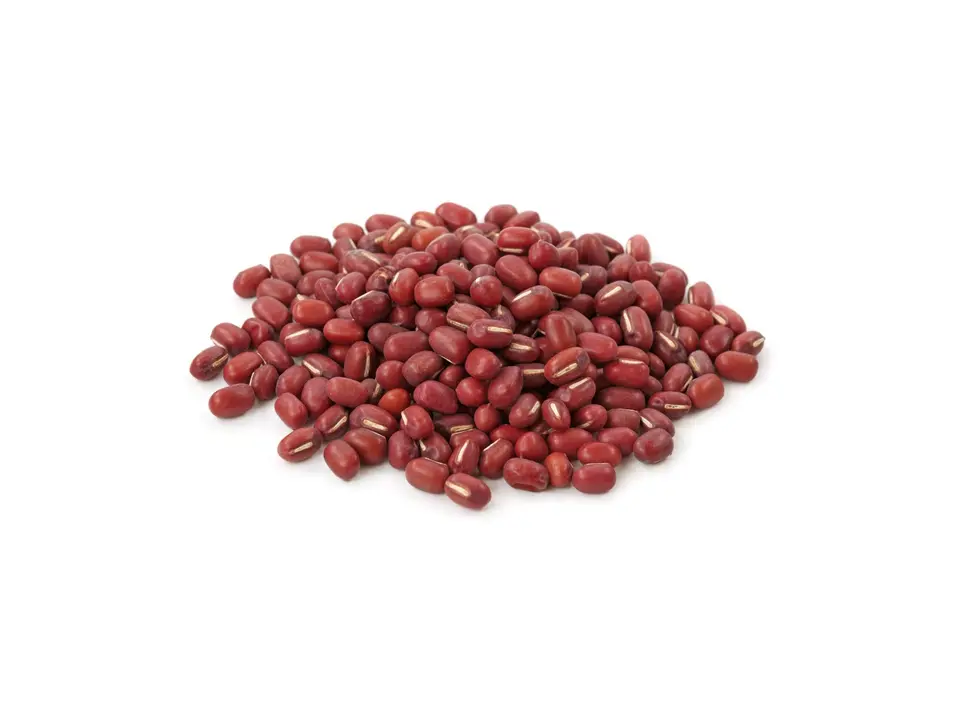 Coming soonGrains and seedsOrganic adzuki beansSmall red beans that cook soft and a little floury
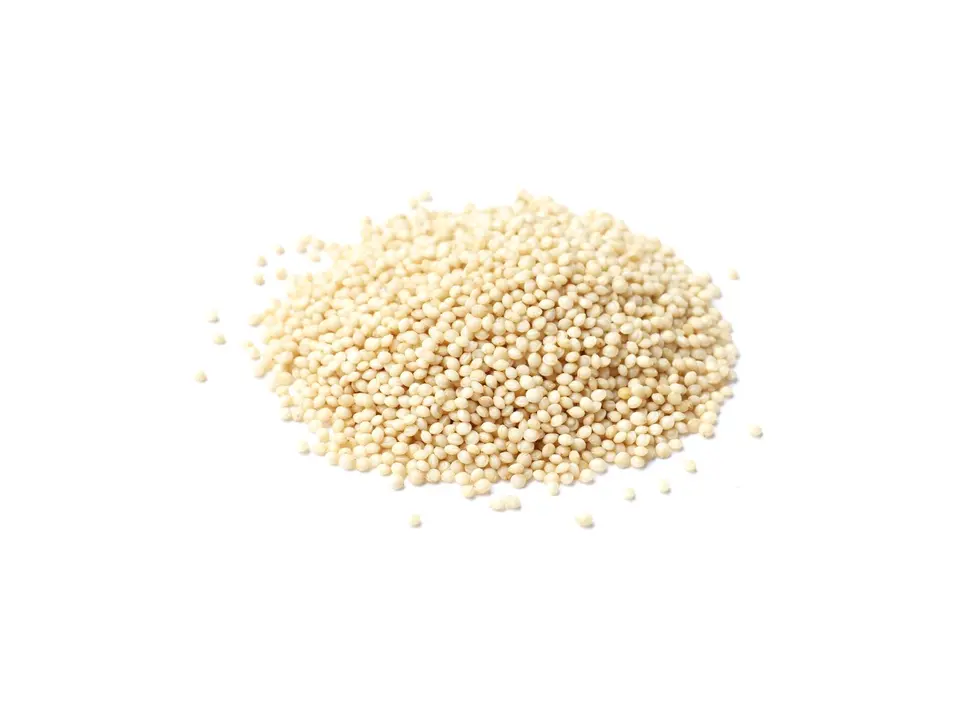 Coming soonGrains and seedsAmaranthTiny seeds that cook into a soft porridge or pop like corn
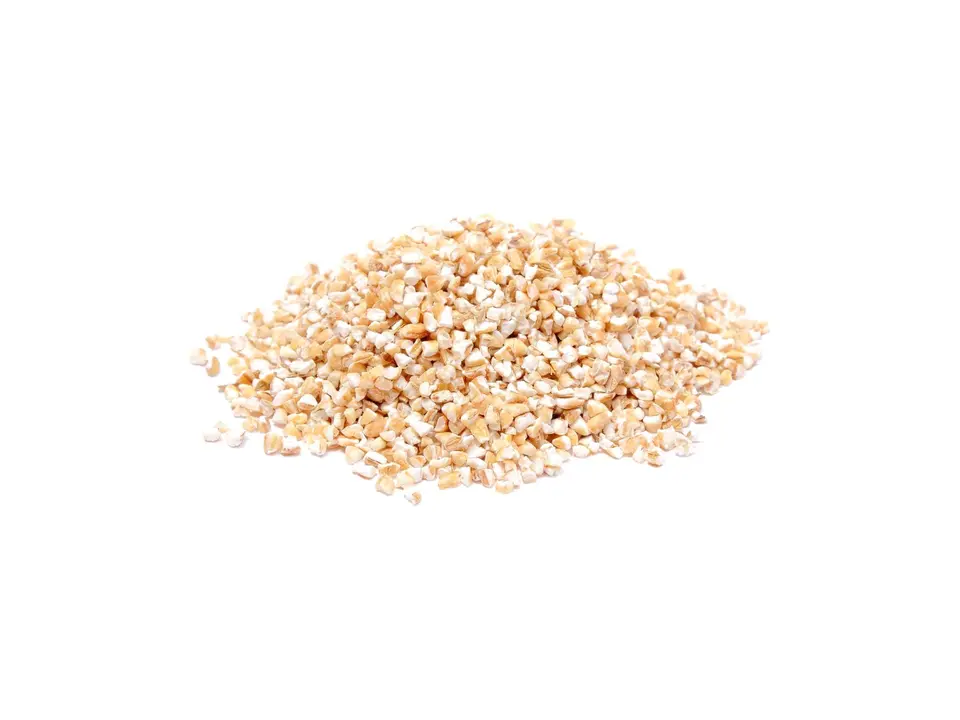 Coming soonGrains and seedsBarleyPlump, chewy grains for soup, salads and barley water
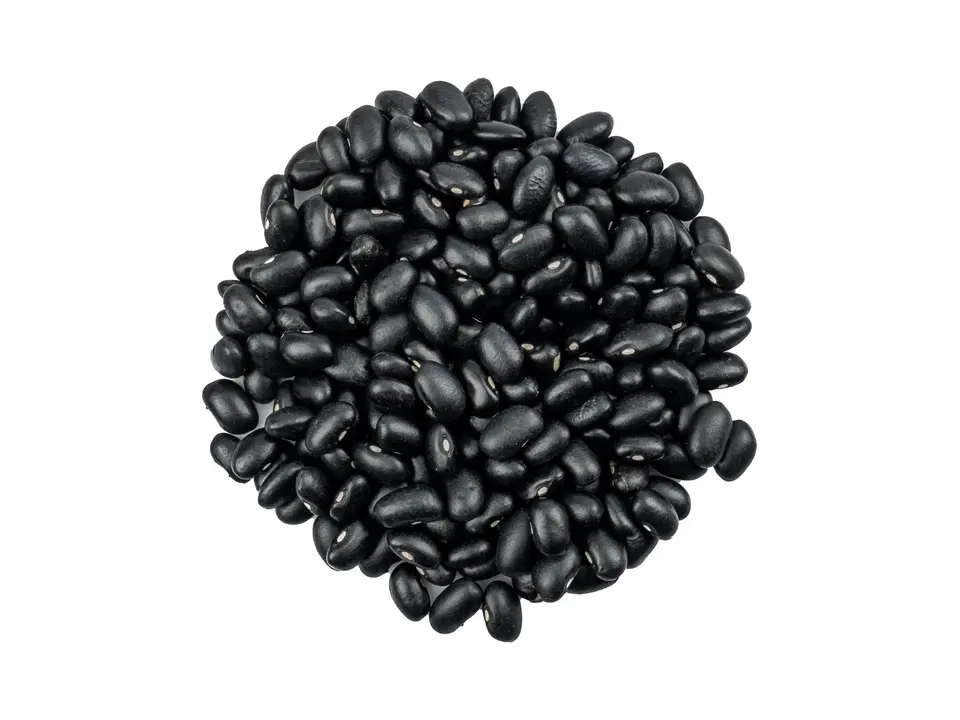 Coming soonGrains and seedsBlack beansSmall black beans that cook creamy inside, for soups and sweets