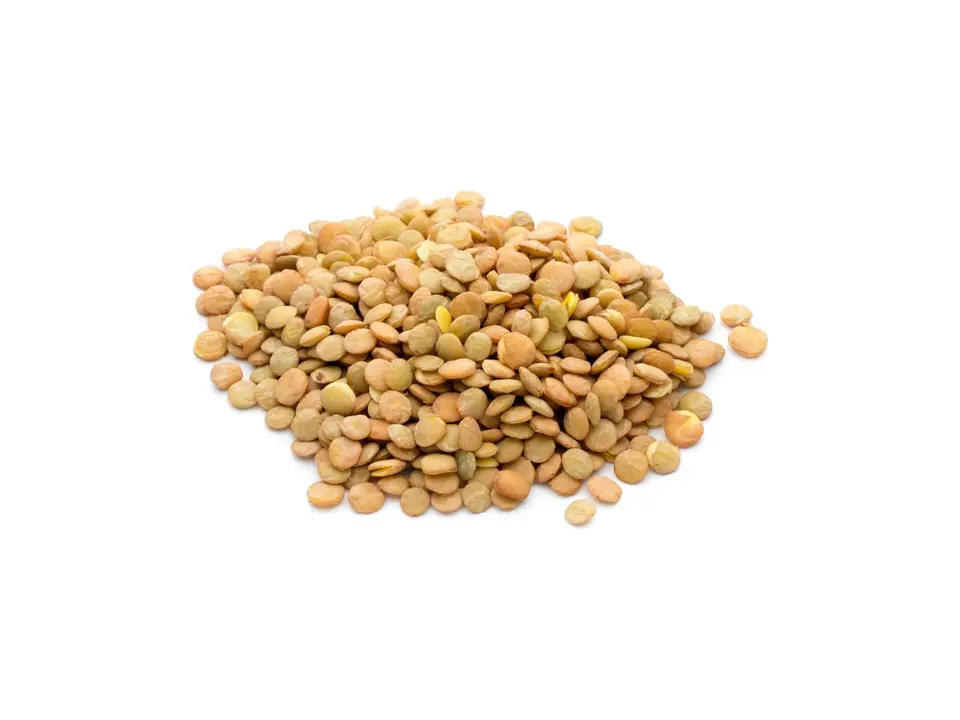
Lentils.
Small, flat lentils that cook quickly with no soaking
Coming soon
- Storage
- Keep in a cool, dry place in a sealed container, away from sunlight.
- Keeps
- See the best-before date on the pack
- Season
- All year
- Origin
- Shown for each lot
- Organic
- Certificate shown for each lot
Lentils are small, flat, round seeds shaped like a lens, which is where the lens in your glasses got its name. They're one of the quickest pulses to cook, with no soaking needed. Green and brown lentils hold their shape and have an earthy, peppery taste. Red and yellow ones, usually sold split, cook down into a soft, smooth purée, the base of many spiced lentil dishes eaten with rice or flatbread.
Ways to use it
- Simmer red lentils with onion, garlic, ginger, turmeric and tomato for a thick dal to eat with rice.
- Add green or brown lentils to a vegetable soup, where they thicken the broth.
- Toss cooked, cooled green lentils with herbs, onion, lemon juice and oil for a salad.
- Mix cooked lentils with rice and caramelised onions.
- Use cooked brown lentils in place of some of the minced meat in a sauce or stuffing.
Pick out any small stones, then rinse the lentils in a sieve. Simmer in about three times their volume of water. Red lentils are soft in about 15 to 20 minutes, while green and brown ones take about 25 to 35 minutes. Salt them at the end.
Storing it
Keep the sealed pack in a cool, dry cupboard away from sunlight. Once opened, store the lentils in a jar with a tight lid. Cooked lentils go into the fridge once cool.
Where it comes from
Grown to certified organic standards. The certificate for each lot is shown when you trace your pack.
Every pack will carry a lot code. Enter it on the Trace your pack page and you will see the farms in that lot, the packing date and the certificate.
What's inside
In 100 g, dry, before cooking
- Energy
- 352 kcal
- Protein
- 24.6 g
- Fibre
- 10.7 g
- Fat
- 1.1 g
Rich in
- Folate479 µg120%
Good for: Helps the body make blood and eases tiredness.
- Copper0.75 mg84%
Good for: Helps the immune system and moves iron around the body.
- Vitamin B10.87 mg73%
Good for: Helps turn food into energy.
- Protein24.6 g49%
Good for: Helps build and keep muscle.
- Manganese1.4 mg46%
Good for: Helps keep bones normal and protects cells.
- Fibre10.7 g43%
Good for: Helps keep digestion regular.
The bar shows how much of a day's need 100 g gives.
Also has
- Vitamin B6 0.54 mg
- Phosphorus 281 mg
- Iron 6.5 mg
- Zinc 3.3 mg
- Potassium 677 mg
- Vitamin B2 0.21 mg
- Vitamin B3 2.6 mg
- Magnesium 47 mg
- Vitamin K 5 µg
- Vitamin C 4.5 mg
- Vitamin E 0.49 mg
The % is the share of what a person aged 6 or over needs each day (Thai RDIs, Ministry of Public Health notice No. 445, 2023). The "Good for" line is shown only when 100 g gives 15% or more. Typical values from USDA FoodData Central (Lentils, raw). Each harvest varies a little.
Good to know.
All guidesMore grains and seeds.
See all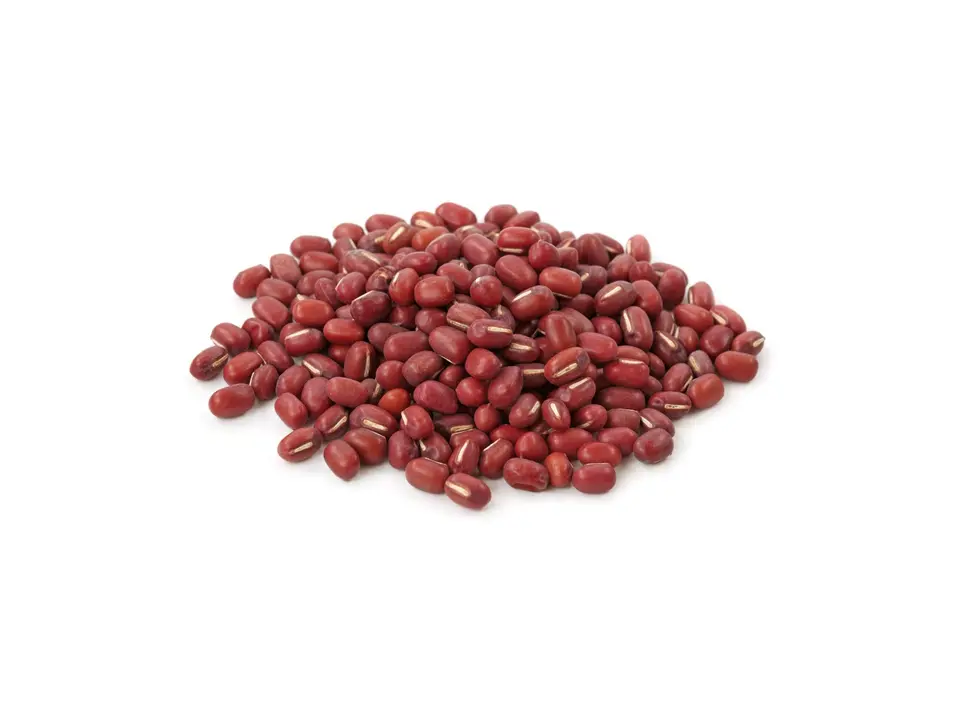 Coming soonGrains and seedsOrganic adzuki beansSmall red beans that cook soft and a little floury
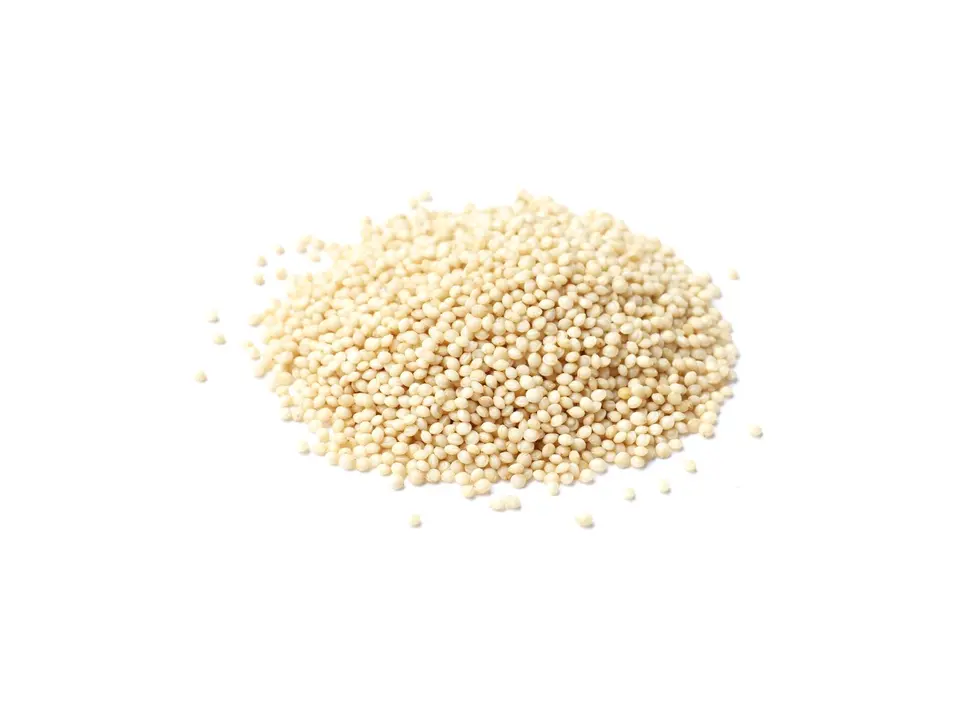 Coming soonGrains and seedsAmaranthTiny seeds that cook into a soft porridge or pop like corn
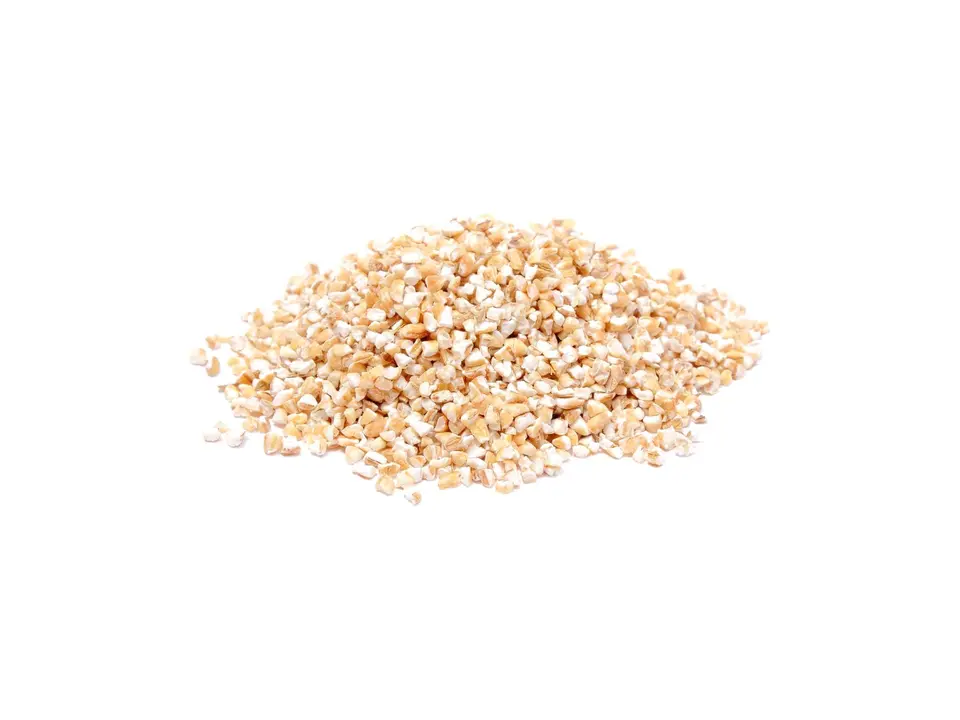 Coming soonGrains and seedsBarleyPlump, chewy grains for soup, salads and barley water
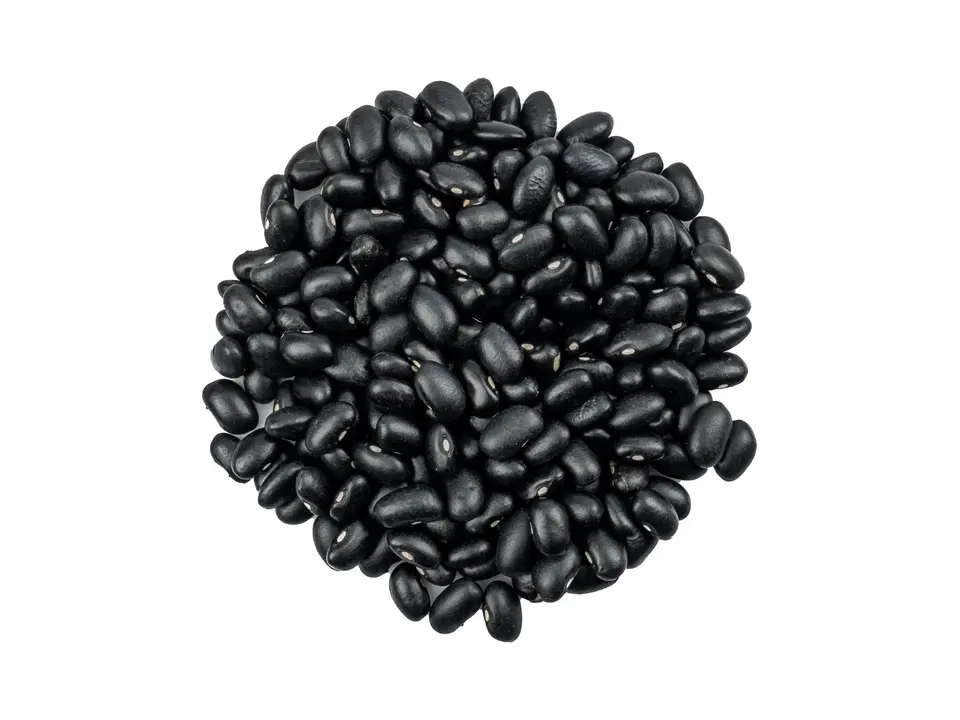 Coming soonGrains and seedsBlack beansSmall black beans that cook creamy inside, for soups and sweets